

Download adguard dns to block trackers, reduce intrusive ads, and keep browsing safer across devices with simple privacy controls. Built for everyday protection, AdGuard helps clean pages, manage filtering, and improve online focus, with adguard home options for network-wide defense.
AdGuard blocks ads, trackers, phishing, and annoying pop-ups while protecting privacy and speeding up cleaner browsing on desktop and mobile.
AdGuard is a privacy-focused blocking tool for people who want cleaner pages, safer browsing, and more control over how devices connect to the web. It combines browser filtering, device-level protection, and DNS-based blocking so users can reduce trackers, pop-ups, malicious domains, and distracting page elements without rebuilding their entire setup.
The product is often searched through adguard dns, adguard home, adguard app, and adguard extension because each phrase describes a different path into the same privacy ecosystem. Some users want adguard chrome for browser cleanup, others need adguard android or adguard ios for mobile protection, and families may choose adguard home for network-wide filtering on routers, home servers, and local devices.
AdGuard can run as a standalone desktop or mobile application, as a browser extension, or as a DNS filtering configuration. That flexibility helps users match the tool to their comfort level: adguard extension is simple for browser-only control, adguard app supports wider system filtering, and adguard dns works across many devices without requiring every app to manage its own block rules.
Mobile users often compare adguard android, adguard ios, adguard iphone, adguard dns android, and adguard dns ios because mobile filtering depends on operating system rules. On Android, AdGuard can provide broader local filtering options, while iOS users often rely on Safari content blocking, DNS profiles, or privacy settings designed for Apple devices.
Everyday use starts with choosing where protection should apply. A user who mainly watches videos and reads articles may install adguard chrome or adguard extension, then add filters for ads, tracking widgets, social annoyances, and unsafe scripts. Someone focused on household coverage may configure adguard home and route devices through it for consistent domain filtering.
Filtering is transparent once configured. AdGuard checks requests, compares them with selected filter lists, and blocks known advertising, analytics, phishing, and nuisance domains. Searches like adguard youtube, ads adguard, and adguard free usually come from users trying to reduce interruptions, clean up video pages, or test basic protection before choosing a fuller setup.
- Device-level ad blocking through adguard app for supported desktop and mobile systems
- DNS filtering with adguard dns for private, lightweight blocking across devices
- Local network control through adguard home for routers, servers, and household protection
- Browser cleanup through adguard chrome and adguard extension workflows
- Mobile privacy options for adguard android, adguard ios, and adguard iphone users
- DNS profile approaches for adguard dns android and adguard dns ios setups
| Component | Minimum | Recommended |
|---|---|---|
| OS | Windows 10, macOS, Linux, Android, or iOS | Current supported desktop or mobile release |
| RAM | 2 GB for basic desktop use | 4 GB or more for smoother filtering |
| Storage | 250 MB available space | 1 GB for logs, filters, and updates |
| CPU | Modern dual-core processor | Recent multi-core processor |
| Network | Standard internet connection | Stable connection for DNS, filter, and rule updates |
AdGuard is useful for people who want privacy improvements without complex manual rule writing. If you search for adguard dns because you want cleaner connections, adguard home because you manage multiple devices, or adguard free because you want to evaluate core blocking, the product offers several entry points with a consistent focus on safer browsing.
It also fits users who move between platforms. A person may use adguard chrome on a laptop, adguard android on a phone, adguard ios on a tablet, and adguard dns ios or adguard dns android for profile-based filtering. This layered setup keeps protection familiar even when each operating system handles filtering differently.
If pages do not look filtered after installing adguard extension, check that the extension is enabled for the current browser profile and that filter lists have updated. For adguard chrome, also review site permissions, conflicting extensions, and browser sync settings that may disable content blockers after an update.
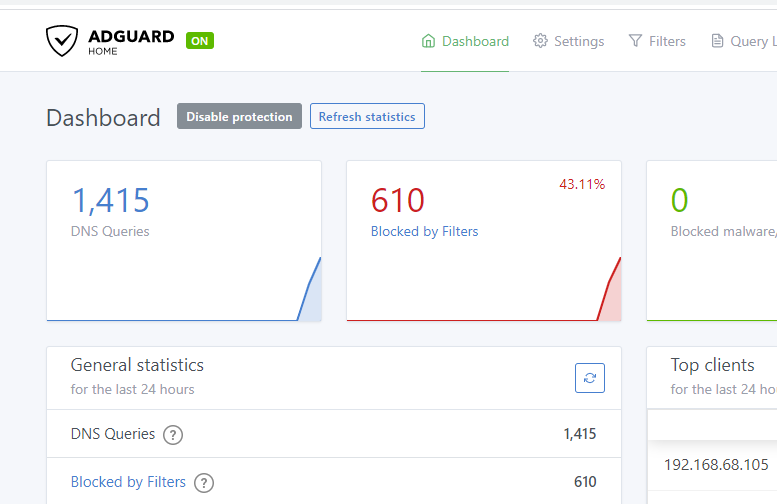
For adguard dns or adguard home, most issues come from DNS settings not being applied to the correct device or router. Confirm that the device uses the intended resolver, restart the browser after network changes, and test with a known blocked domain. On mobile, adguard dns android and adguard dns ios may require removing older DNS profiles before adding a new one.
AdGuard works best when users choose the simplest layer that solves their problem. Browser-only cleanup can start with adguard extension or adguard chrome, mobile users can begin with adguard android, adguard ios, or adguard iphone, and households can expand into adguard home when multiple devices need consistent filtering.
Search interest around adguard youtube, ads adguard, vpn adguard, and adguard app shows how broad the use cases are: blocking interruptions, reducing tracking, improving privacy, and keeping browsing more focused. Whether starting with adguard free or configuring adguard dns for a full device, the main value is practical control over unwanted web requests.
adguard dns, adguard home, vpn adguard, adguard android, adguard ios, adguard chrome, adguard youtube, adguard iphone, adguard extension, adguard app, adguard free, ads adguard, adguard dns android, adguard dns ios