Repository navigation
Integration of cloud clock with local FREMO RUT clocks #44


|
This is a discussion of how to use the clock-server as master for FREMO RUT clocks. BackgroundRUT, short for Network-Clock-Telephone, used for Model railway purpose. Clocks in FREMO are similar to industrial Clock-Networks. RationaleThe main purpose for this integration is that some of us like the real analogue clocks. If such clocks could have the clock-server as master, it will be possible to combine usage of analogue clocks and the clock web client app at the same meeting. For instance, the clock administrator will be able to control all clocks from a mobile phone. The use of analogue clocks should be combined with at least one big screen monitor, to be able to display information not possible to show on an analogue clock, for instance weekday of operation, reason for stopping clock, who stopped the clock and free text messages. Controlling analogue clocksMaster should delivers alternating positive and negative pulses for each second. Positive pulses makes the clock jump to even minute and negative pulses to odd minutes. Because this is a fast clock, the pulses will also be delivered in a faster pace that normal clocks. This is controlled by some hardware generating pulses, and the hardware should be controlled by some software. Hardware requirementsThe hardware must meet these requirements:
Software requirementsThe software could be divided in two parts: the business logic and the I/O logic. Requirements for the business logic are:
The requirement for the I/O logic are:
Handling actual I/OThere are several ways that the I/O logical signals created by the software are mapped to physical outputs.
|
Replies: 6 comments 6 replies

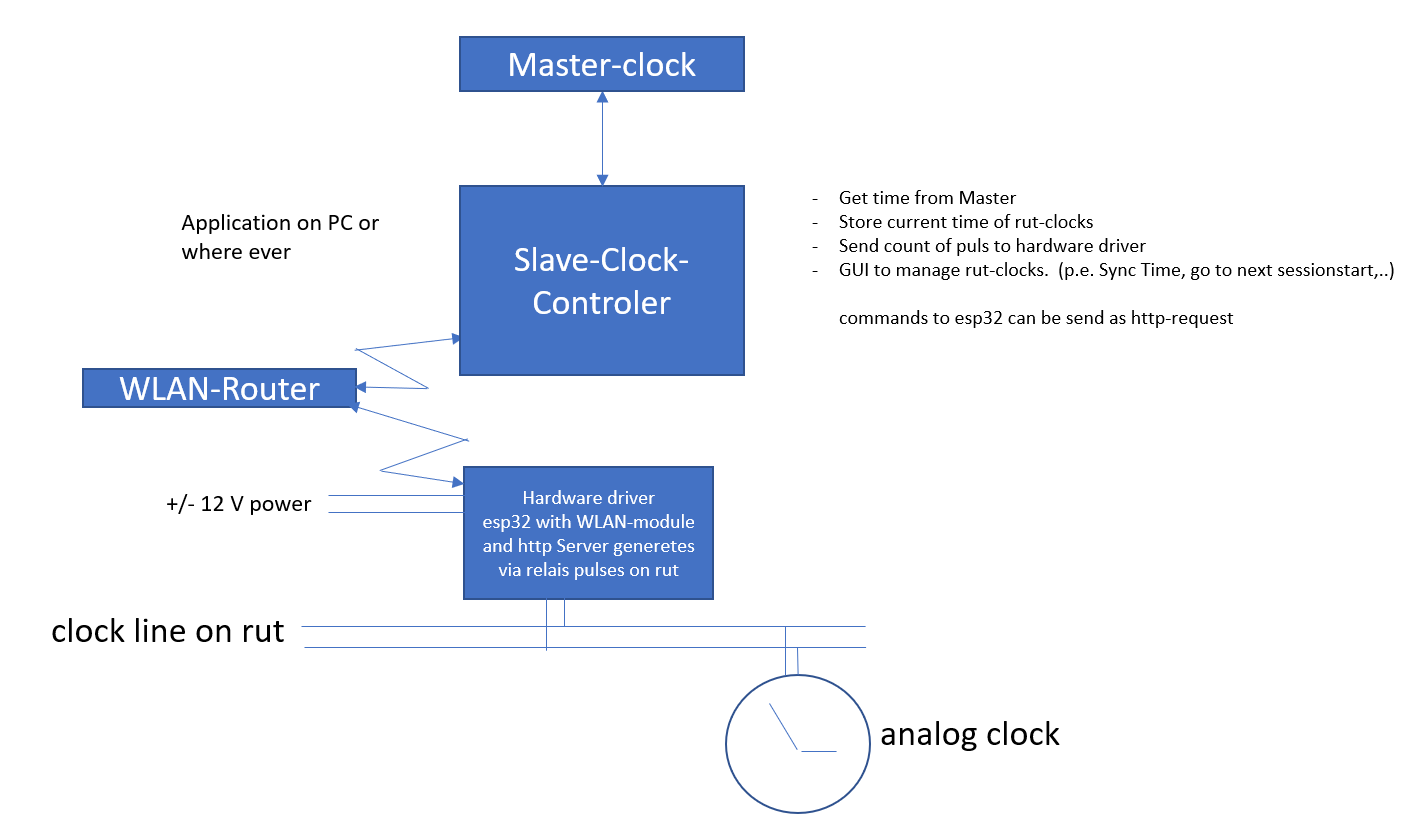
Handling via WLAN and esp32, based on wiFRED communication
|

|
That looks good if there already exist a hardware with a WEB API for http-requests. I have a number of questions:
|

|
Hi,
|

|
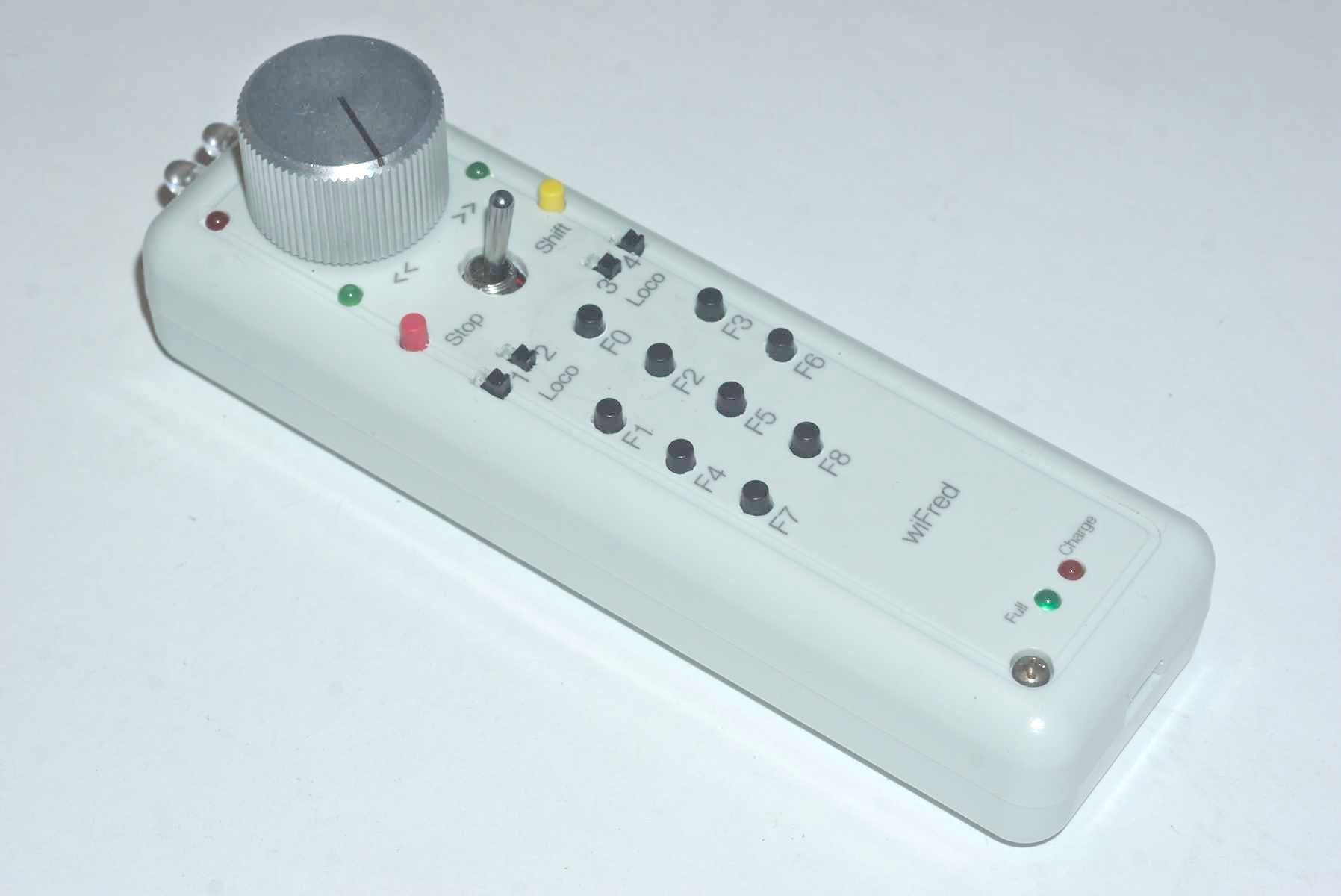
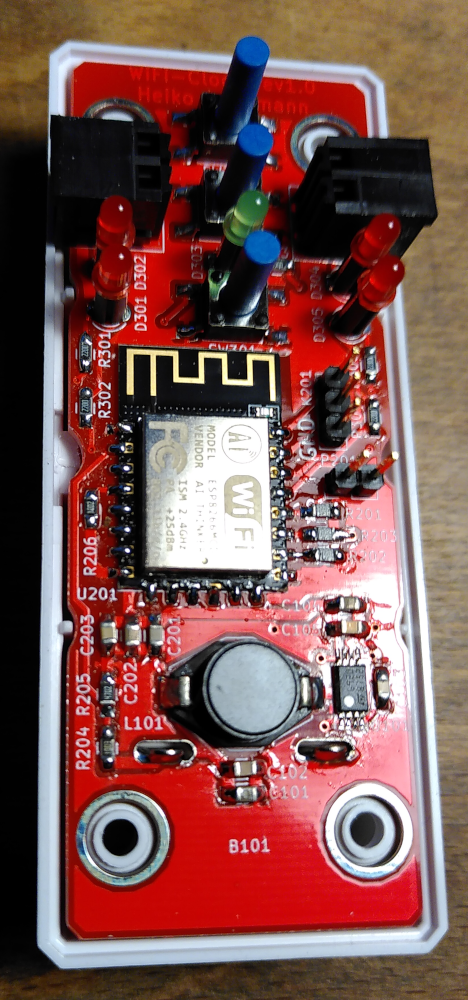
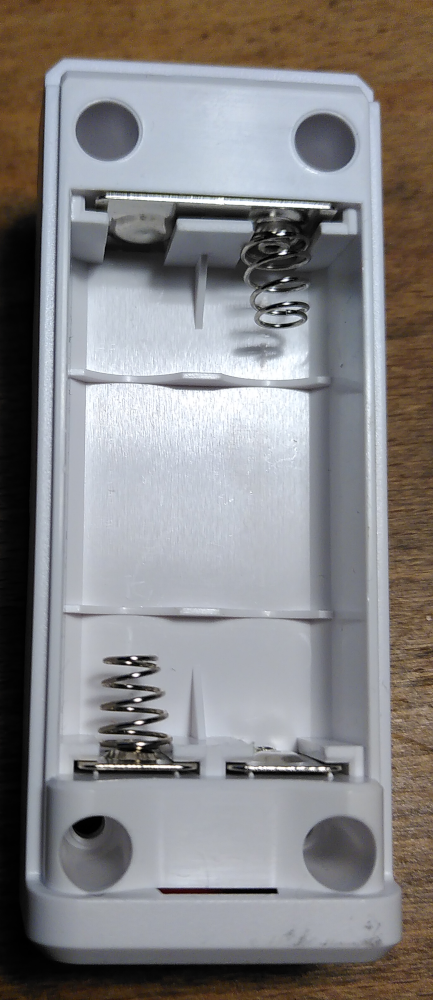
Interestingly I've created a somewhat similar project for WiFi clocks: https://github.com/newHeiko/WiFi-JMRI-Clock The documentation is way behind, so let me give a quick introduction and share some pictures:
I still have a couple of blank PCBs, in case anyone wants to try some SMD (0805 and larger) soldering, and I'd even throw in some of those SMD pushbutton switches. For RUT, it would obviously need a "booster". And if there's 12V/24V available anyway, maybe it would make more sense to create something based on a NodeMCU or similar development boards. And here's the images: We could also get together on Jitsi or Zoom if you want to know more. Heiko |
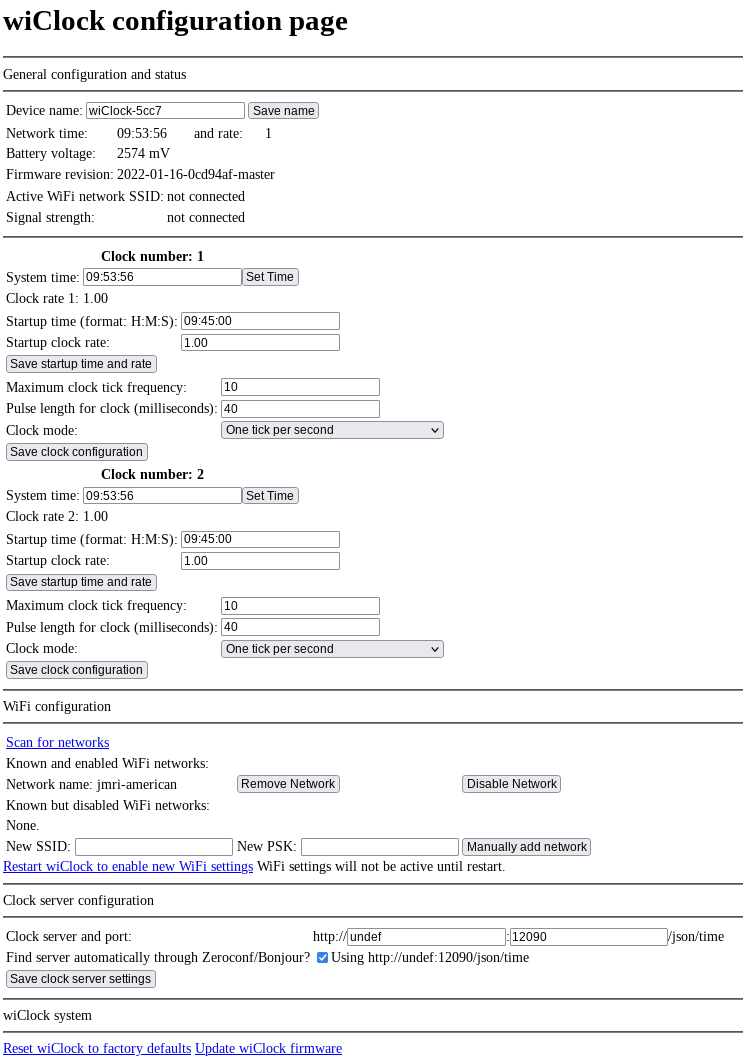
|
P.S: The wiFred code will (basically) also run on any other ESP32-S2 demo board, for example these: https://www.reichelt.de/entwicklungsboard-esp32-s2-wroom-esp32s2saola1m-p311736.html?&nbc=1 - once again it might make more sense to develop based on that rather than a full wiFred. |

|
Hi
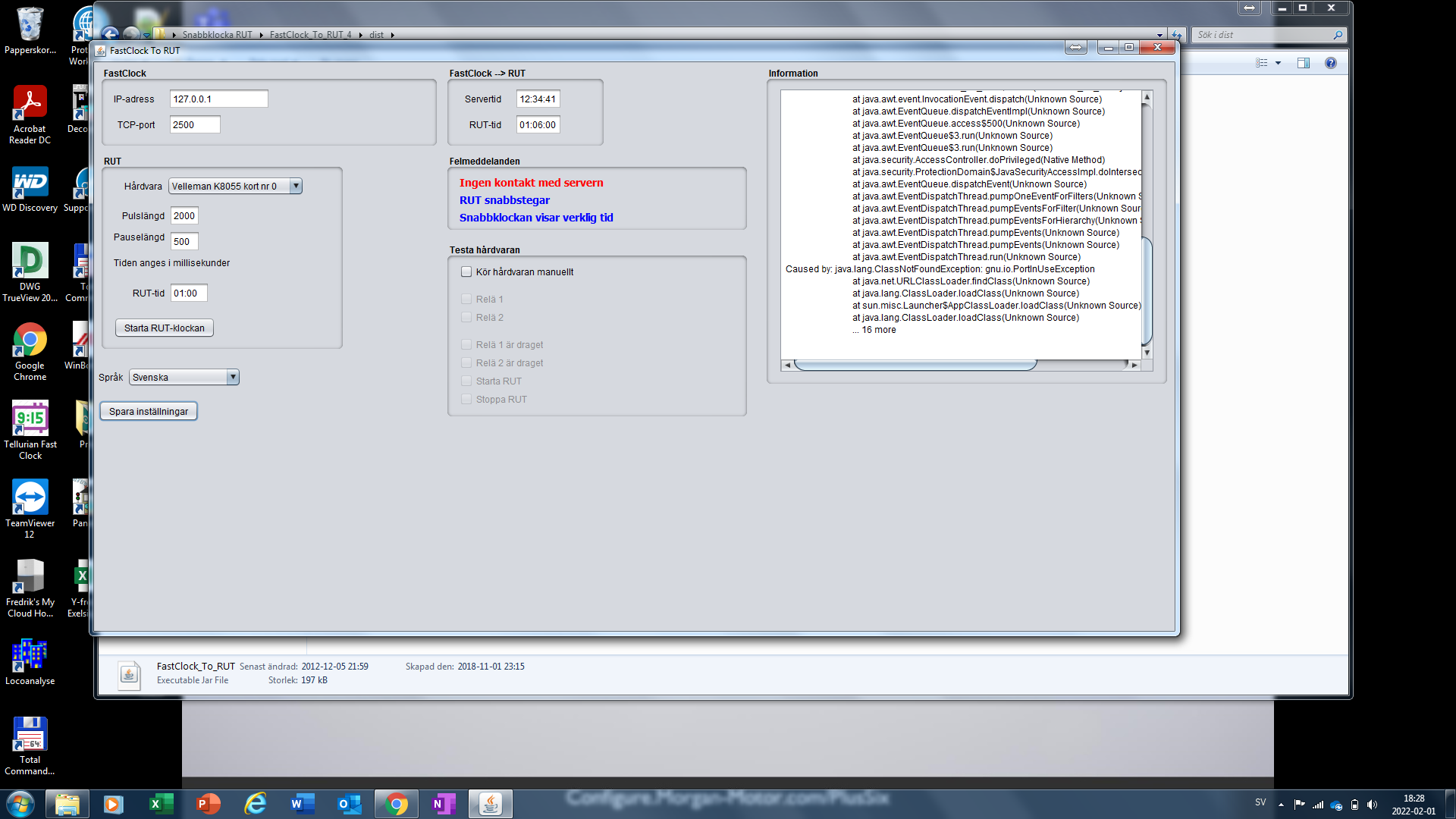
I was involved developing a connection between the FastClock and RUT in 2013 Mr Daniel Bergkvist made a Jave application to run on a Vellermann I/O card. It worked nice ( we hade some issues with disturbance on the signals due to the load of secondary puls clock using a rather high Amp). He also made it work using a USB-Serial port adapter, he used RX / TX signal. I know he made a simple hardware that was tested ok during a meeting.
The basic setting was:
- The client uses the master signal from a digital FastClock server
- one of the parameters you needed to typed in was the analog clock start
position. The client found the signal from the digital clock and its
starting time. The client compared the set positions.
- then it was just to press "start clock". The client compares the "play
time" and then its start to catch up.
We found out that the signal 12/24 VDC to the analog clocks needed a pulse time and a pause time (delay).
We found out and tested with 6 analog clocks that a pulse setting around 1,5 - 2.0 seconds and a short delay of 0,5 sec was a nice setup to get all analog clocks to respond when speeding to a set time .
The minute pulse changed polarity of course and next minute's step was
triggered with a new puls of 2.0 seconds , then pause etc.....
The same timers was used when the playtime runned , but of course delay was longer due to the requested speed selected in the FastClock server
[image: image.png]
Regards
Fredrik
|

|
|
|
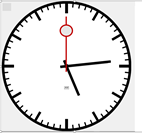
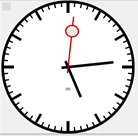
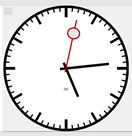
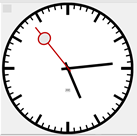
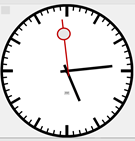
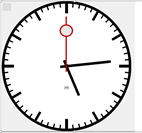
What about Second hand without time reduction on browser clock So that the second hand doesn't race like crazy, we could proceed as follows:
With a reduction of 1:3, a model minute has 20 seconds. So we have to jump to 44. |
|
Hi Stefan /Fredrik |
|
Today, I have released the souce-code for translating API-calls to the cloud clock to logical pulses for driving an analogue clock. This means that anyone that wants to create a hardware, now can get the data when to create a positive or negative pulse. The application also automatically fast forward the pulsing to the current time if they get out of sync. Take a look at the source code. One next step is to implement a pulse sink that broadcast the pulses on a local network, where hardware drivers can listen and create the pulses needed for moving the clock. |
|
Today, I have got a Raspberry Pi with a Rpi Relay Board working to generate electric impulses to control an analogue clock. It is of course possible to use the I/O pins on the Raspberry Pi directly without the relay board. |
|
There is now a working and tested solution for integrating analogue clocks with the fast clock app. |


Today, I have got a Raspberry Pi with a Rpi Relay Board working to generate electric impulses to control an analogue clock. It is of course possible to use the I/O pins on the Raspberry Pi directly without the relay board.