


- 🧩 Native Hardware Virtualization: This hyper v virtualization platform leverages hardware-assisted virtualization technology to run multiple operating systems simultaneously on a single Windows machine.
- 📸 Virtual Machine Management: Create, configure, and manage virtual machines with this virtual machine software's comprehensive management tools for enterprise and development environments.
- 👁️ Dynamic Resource Allocation: Adjust CPU, memory, and storage resources for running virtual machines without downtime using this hypervisor technology's dynamic resource management.
- 💾 Snapshot and Checkpoint Support: Capture system states before making changes with this windows virtualization platform's snapshot capabilities, enabling quick rollback when needed.
For users seeking a reliable hyper v download, Microsoft Hyper-V has established itself as the native virtualization platform for Windows operating systems. This virtualization platform is built directly into Windows Pro, Enterprise, and Education editions, providing enterprise-grade virtualization capabilities without additional software. As a hyper v hypervisor, it enables users to run multiple operating systems—including Linux, Windows Server, and older Windows versions—as virtual machines on a single physical host.
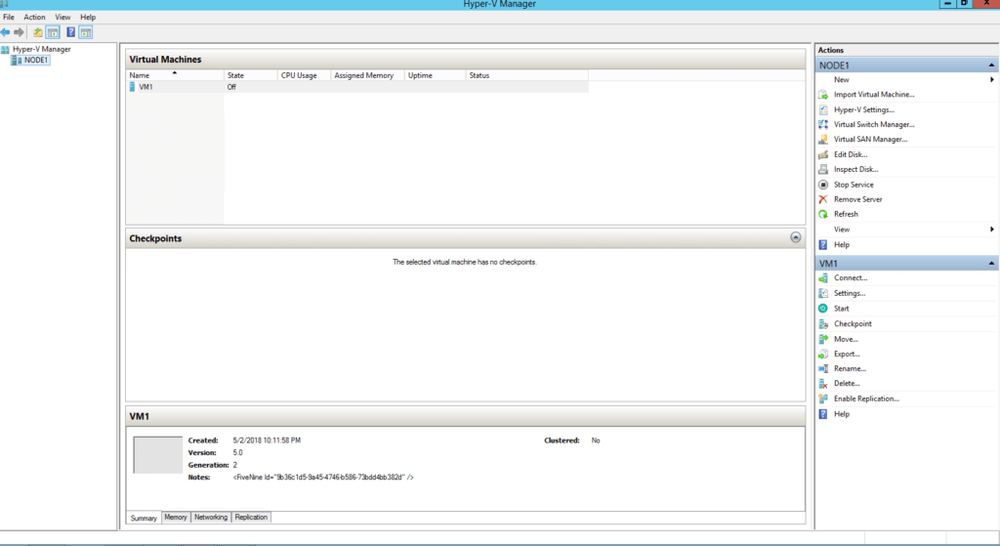
The software's architecture takes advantage of hardware virtualization features available in modern processors. This virtual machine software uses a Type 1 hypervisor architecture that runs directly on hardware, delivering near-native performance for virtualized workloads. The system virtualization platform includes comprehensive management tools through Hyper-V Manager and PowerShell, enabling both graphical and scripted administration. For developers and IT professionals, this virtual environment platform provides the isolation needed for testing applications across different operating systems and configurations.
What truly distinguishes this virtualization solution is its deep integration with Windows. The hardware assisted virtualization capabilities leverage Microsoft's extensive work in virtualization technology, delivering stability and performance for production workloads. The server virtualization platform includes advanced features like live migration, replication, and failover clustering for enterprise deployments. For desktop users, this virtualization management platform enables running Linux distributions, legacy applications, and test environments alongside their primary Windows installation. Regular updates through Windows Update ensure this hyper v virtualization technology stays current with security standards and hardware developments. Whether you're developing software, running legacy applications, or managing servers, this virtual machine manager provides the professional virtualization capabilities needed for modern computing.
- 🚀 Native Windows Integration: Run virtual machines directly on Windows without third-party software using this virtualization platform built into Pro and Enterprise editions.
- 🔧 Enterprise-Grade Features: Access advanced capabilities like live migration, replication, and failover clustering with this hypervisor technology designed for production environments.
- 💾 Zero Additional Cost: Leverage the powerful hyper v virtualization platform included with Windows Pro and Enterprise editions at no extra cost.
| Component | Minimum | Recommended |
|---|---|---|
| Operating System | Windows 10 Pro/Enterprise (64-bit) | Windows 11 Pro/Enterprise (64-bit) |
| Processor (CPU) | 64-bit processor with SLAT (Second Level Address Translation) | Intel Core i5/i7 or AMD Ryzen with virtualization extensions |
| Memory (RAM) | 4 GB | 8 GB or more (plus additional for each VM) |
| Storage | 10 GB space for Hyper-V binaries | SSD with 50+ GB space for VM storage |
| Virtualization | VT-x/AMD-V and VT-d/AMD-Vi enabled in BIOS | Hardware virtualization extensions enabled |
| Additional | Windows 10/11 Pro, Enterprise, or Education edition | 4+ CPU cores recommended for running multiple VMs |
Prerequisites: A Windows Pro or Enterprise PC with hardware virtualization enabled in BIOS.
- Enable Hyper-V: Go to Windows Features, enable Hyper-V, and restart your computer to activate this virtualization platform.
- Launch Hyper-V Manager: Open the virtual machine software from Start menu to begin creating and managing virtual machines.
- Create Your First VM: Use the New Virtual Machine wizard in this hypervisor technology to specify RAM, network, and storage for your virtual environment.
- Install Operating System: Mount an ISO file and install your chosen operating system within the virtual machine using this windows virtualization platform.
- Developers and Testers: Test applications across multiple operating systems and configurations using this virtual machine software without additional hardware.
- IT Professionals: Manage server environments and test deployment scenarios with this system virtualization platform's enterprise-grade management tools.
- Students and Educators: Run Linux, older Windows versions, and other operating systems for learning and teaching using this virtual environment platform.
- Home Users: Run legacy applications, experiment with different operating systems, or create isolated environments for security using this hyper v virtualization technology.
hyper v download, hyper v, microsoft hyper v, virtualization platform, hardware virtualization, virtual machine software, hypervisor technology, windows virtualization, virtual machine manager, system virtualization, hardware assisted virtualization, virtualization solution, virtual environment platform, server virtualization, desktop virtualization, virtualization management, hyper v virtualization