 Qodo Hackathon
Day 3: Connect your factory to the backlog #5

Replies: 37 comments 3 replies

TicketShow checks for the latest pull request revision — issue #3 As an engineer reviewing a pull request, I want to see the checks for its latest commit so I can tell whether the current revision is ready. Acceptance criteria review
ImplementationPR #4 includes a screenshot of the working UI. Go, frontend, Nox, and Warden checks passed on the submitted revision. What the agent missedThe literal “GitHub link” criterion is not met when GitHub provides a commit status without a target URL; the UI reports that honestly rather than inventing a source link. Checks are also an import-time snapshot, so users must re-import to refresh; live polling or a refresh control was outside the ticket. |

My ticketing connectionI'm using GitHub Issues for my PayPal sandbox project, with the GitHub CLI and connected GitHub API tools. I verified my GitHub account access and read the ticket's description and acceptance criteria. I don't yet have a saved agent-side ticket-list/read transcript, so that part of the challenge is still open. Ticket → branch → PRTicket: tareq7/sellerpilot-paypal-ai-2026#9 The ticket asks for a safer, clearer sandbox checkout: order created, buyer approved, capture confirmed only with matching evidence, human confirmation, protected request IDs, no private data in diagnostics, and regression tests. The PR reports 33 PayPal gateway tests, 50 existing application tests, and a passing build. Those tests use mocks; they do not prove an end-to-end live application checkout or real AI response. Edge case and review: Qodo found five bugs after the implementation, including an ambiguous capture followed by an APPROVED status that can leave the page unable to retry safely. I am treating those as findings to reproduce and test, not as fixed just because the PR was merged. Agent feedback: Muse built the ticket's initial implementation and Flash reviewed it. Earlier CodeRabbit findings prompted fixes to capture confirmation and definite gateway rejection. Qodo's five subsequent findings have not yet been independently closed, and I won't claim they have. What I learnedA passing build and mock tests are not enough for a payment workflow. The acceptance criteria need tests for uncertain outcomes, preserving the original request ID, and protecting private fields. I haven't added a new project rule from the latest Qodo findings yet; I want the regression results first. This is a partial Day 3 run, not a claim that every ticket requirement is complete. |

My ticketing connectionTicketing system: GitHub issues on Wrhinkle/swarmbreak. Ticket → branch → PRTicket link: #2 Shortcuts can skip most of a dungeon Ticket link: #14 Typical bot loses when it edits routines What I learnedDid the factory deliver what the tickets asked for? #2 yes, delivered and merged. #14 no: the bug is reproduced and the wrong fix was caught, but there's no correct fix yet. Rewritten by the factory's operator (Claude Code) from the repo record and posted from the owner's account. |

|
My ticketing connection Ticketing system: github issues by way of Linear Ticket → branch → PR Ticket link: Acceptance criteria checked, with observed results and evidence: The ticket's only explicit criterion was "a custom envelope that is written to the chain; it gets committed like any other envelope." Checked: reactions are signed entries appended to the reactor's chain, with kind and target inside the signed hash. Evidence — test_reaction_chains_verifies_and_counts (chain linkage + signature verification), test_reaction_handler_roundtrip (committed through the same /tan/post handler as posts), test_reaction_survives_store_and_reserve (stored and re-served by a second database, the way sync works), test_timeline_hides_reactions_but_feed_carries_them (feed carries reactions like any envelope). Relevant edge or failure case and result: test_reaction_rejects_tampering — a like whose target is swapped after signing fails verification; a reaction carrying text is rejected; a post carrying a target is rejected. Semantics edge: liking twice counts once, and an unlike supersedes a like (latest chain entry wins). Old-database migration covered by test_pre_reaction_database_migrates. Qodo findings I investigated, including any missed or irrelevant feedback: Qodo posted nothing on PR #9. What reached the coding agent and what changed in the fix: like/unlike in a chain-committed envelope, nothing stored server-side. reactions live on the reactor's chain rather than the author's, counts are derived from each reactor's latest entry instead of stored, and the surface area (CLI tan like/unlike, /api/tan/like|unlike, console toggle) was extrapolated from how Tan posts already work. What I learned Did the factory deliver what the tickets asked for? On the ticket's stated terms, yes — PR #9 implements its one-sentence spec faithfully. What I updated in the rules, skills, or review setup, and why (or why no update was needed): No update needed. The ruleset on how i wanted my code reviewed is pretty standard. |

ChallengeDay 3: Connect your factory to the backlog. ProjectTake Two records landscape and portrait video from the same browser session. Repository (private; judge access still needs arranging). My ticketing connectionI'm using GitHub Issues through the GitHub MCP connection in Codex. The agent listed the backlog and read the tickets, then I chose a focused follow-up: issue #61, covering five findings from Qodo's review of our localization PR. The ticket spells out the expected behavior, including the awkward cases: editing a scene without renaming it, reopening a recording, importing an older project, and keeping names someone typed themselves. Ticket → branch → PRThe work is on I didn't want another update saying the findings were still there. We reproduced all five against current main and fixed them:
The five regressions failed before the changes and pass now. The build, 25 factory checks and 20 selected browser checks pass. The browser checks include changing language during recording and independently decoding both saved formats. The broader suite has one failure that I also reproduced on unchanged main: an exact pixel-color comparison on this Mac. Four checks need native artifacts or a live database. I left those results visible and didn't relax the assertion. The first CI run exposed a test setup problem: an optional cloud request made the development server reload while a dialog was open. I isolated that service in the local-label tests. Qodo then caught a mock that could leave a request waiting and a source-verification note that referred to an older build. I fixed the mock, clarified the note and checked the final deployed download against the PR's files. Final CI passes. Qodo marked the mock resolved; it still displays the older archive warning, with the current verification and disposition recorded in the PR. The PR is open and hasn't been merged yet. What I learnedA name's spelling doesn't tell us who wrote it. Automatically translating anything that looks like “Recording 1” sounds convenient, but it can change a creator's chosen title. We now record translation metadata when the app generates a name and remove it on an explicit rename. Older names without that evidence stay literal. I added this distinction to AGENTS.md and the localization ADR, and put the new routing and stored-name tests in CI. Assistance and third-party materialI've been using Conductor and Codex for code, Qodo for review, and Humanizer to edit these updates. Third-party notices cover reused components and their licenses. ScreenshotTake Two's landing page. The creator images are generated illustrations.
|


|
hey @felipebarreiros is there any reason you keep the repository private? would love it if you would make it available for everyone |

|
I like the hero art it looks great |

My ticketing connectionTicketing system: GitHub Issues in the project repository, https://github.com/RuiCodex-dev/deadline-keeper (private; the organisers are invited with read access, and any judge can be added on request). Connection used (MCP or CLI): the GitHub CLI ( How I checked the agent could list and read my tickets: a fresh agent session ran both commands itself before starting ticket 2.
Ticket → branch → PR (1 of 3)Ticket link: #10, Branch and PR link: Acceptance criteria checked, with observed results and evidence: all 9 met, checked twice. The first check was the agent's 35 tests, named after their criterion. The second was mine: I parsed the exported file with an outside iCalendar parser (the Relevant edge or failure case and result: Qodo findings I investigated, including any missed or irrelevant feedback: 7 findings; 6 fixed in 661af8e, and Qodo's re-review marked them resolved.
What reached the coding agent and what changed in the fix: the fixes were made in the same Claude Code session that reviewed the PR. As a control, 9 of the new or changed tests fail on the agent's commit and pass on the fix. The tenth, a POSIX permission test, was checked on Linux: the agent's version turns a 0644 calendar into 0600, the fix keeps 0644. The lesson reached the next agent as a rule, through ticket 2. Ticket → branch → PR (2 of 3)Ticket link: #14, AGENTS.md rule 6, "Tickets say what must not break", plus issue and PR templates. It turns ticket 1's lesson into a rule: acceptance criteria say what must happen, and a ticket also needs a Must not break section for what must not. Branch and PR link: Acceptance criteria checked, with observed results and evidence: all 4 met. Rule 6 is in the same Applies to / Rule / Why shape as rules 1-5, so Qodo can import it. The issue template and the PR template have the exact sections the ticket names, and the README mentions both. Must not break: the AGENTS.md diff only adds lines, nothing under the package or tests changed, and CI is green. Relevant edge or failure case and result: I checked the new rule against the open tickets. #2 and #12 predate it and have no Must not break section, and the rule did not say what the agent should do then. I added one sentence in 7042bbb: such a ticket is not ready, so the agent asks for the section and does not start. Ticket 3 tested it. Qodo findings I investigated, including any missed or irrelevant feedback: 0 findings on c4cd4bf. The gap above was found by my check, not by the review. Qodo did not post a new review for the one-sentence follow-up commit. What reached the coding agent and what changed in the fix: the rule is in AGENTS.md, which every agent reads first. Ticket 3 shows it arrived. Ticket → branch → PR (3 of 3)Ticket link: #12: a title the Windows console cannot encode crashed Branch and PR link: Acceptance criteria checked, with observed results and evidence: both met. I also ran it myself on Windows. On a cp1252 console, Relevant edge or failure case and result: a deadline text with an emoji ( Qodo findings I investigated, including any missed or irrelevant feedback: 0 findings on ff0224c. A clean review does not prove the ticket is done, so I ran the behaviour above myself. My triage is on the PR. What reached the coding agent and what changed in the fix: rule 6 did. The first time the agent read #12 with What I learnedDid the factory deliver what the tickets asked for? Yes, all three, and each check is linked above. Every product change is recorded in the factory ledger. The misses were mostly mine, in the tickets. On ticket 1, one criterion was met exactly and was still wrong (the UID), and the worst gap (overwriting the store) was one the ticket never mentioned. The agent saw it and correctly stayed in scope. Qodo found 7 issues there and none on the two later PRs. On the later PRs, the problems were found by running the behaviour and by testing the new rule against real tickets. What I updated in the rules, skills, or review setup, and why (or why no update was needed):
|

My ticketing connectionBacklog.md - haven't used this one before, but as I searched for something free, easy, functional, I found this! Perfect for this mini-project. Using Backlog.md CLI Ticket → branch → PRTicket: As Backlog.md is locally hosted, here is a screenshot: Branch: https://github.com/Terhi-L/EatUp/tree/feature/nordic-languages What I learnedFirst of all, I had never heard of Backlog.md - it can be a fun way to track your own projects and where the project is at, especially when working with Claude. The reading and writing with Claude to a board with CLI I'm quite used to in my current work setup. It makes development so much faster - "read PBI 123 and tell me shortly what it's about, and how you would solve it" - and you get going so much faster. Clear Acceptance Criteria makes you work in smooth goal-oriented way. When decided what the complete result is, it's faster to test. Extra thoughtsQodo found lots of bugs, but I had skipped straight to 'merge' with my sleepy eyes. Tagged Claude to fix a new PR based on the findings - and also comment the decisions made, what we were supposed to fix, and what was only a misunderstanding of the logic. (Example comment by Claude in Terhi-L/EatUp#5) A little plus - Claude adapts to using the Backlog without separately asking for it: |


My ticketing connectionTicketing system: just Github issues for now, will be spinning up a public facing Kaneo instance for this hackathon (using exe.dev) Connection used (MCP or CLI): Agent used How I checked the agent could list and read my tickets: agent had access to my shell, so it was able to use Ticket → branch → PRTicket link: randoneering/mellon#16 Acceptance criteria checked, with observed results and evidence: Acceptance criteria checked, with observed results and evidence
Relevant edge or failure case and result:Nothing worth noting... Qodo findings I investigated, including any missed or irrelevant feedback:
What reached the coding agent and what changed in the fix:
What I learnedDid the factory deliver what the tickets asked for?Yes, it did. Along the way it caught some things I missed (capitialization, labels, etc) What I updated in the rules, skills, or review setup, and why (or why no update was needed):Nothing yet - but I will review again for Day 4! |

|
Ticket: https://github.com/UBayouski/tracenotes/blob/main/tickets/T-002-read-git-log-stream.md Nine acceptance criteria written before implementation. The agent built it from the ticket and AGENTS.md alone. Result: 9 of 9 met, 44 tests, and the repo's own history parses cleanly from both Git Bash and PowerShell. What the agent missed, or decided without being told:
What the review caught: the whitespace strip was too broad, so a tab-prefixed hash would pass as a valid commit. Fixing it exposed that the broad strip had been silently absorbing the UTF-8 BOM PowerShell adds to piped streams. Now handled Lesson: both ticket gaps were about the edges of the input contract, not the logic. Next time I'll build the fixture first and write the criteria against it. |

My ticketing connectionTicketing system: GitHub Issues for Side Quest Studio, a browser-local writing space. Connection used (MCP or CLI): GitHub CLI ( How I checked the agent could list and read my tickets: gh issue list --repo prophen/side-quest-studio --state open --json number,title,url
gh issue view 5 --repo prophen/side-quest-studio --json title,body,urlThe list returned one open ticket: #5, “Search saved notebook passages.” The agent read its description, all 12 acceptance criteria, definition of done, and exclusions back to me. This explicit list/read-back demonstration happened after the initial implementation; the agent had already fetched the issue through Ticket → branch → PRTicket link: #5 — Search saved notebook passages Branch and PR link: Acceptance criteria checked, with observed results and evidence: The agent ran Chromium browser tests against the app. These are automated observations, not a claim that I manually tested every interaction. Search regression tests contain synthetic passages and the assertions below.
Relevant edge or failure case and result: After a successful search, the tests injected corrupt and inaccessible storage. No stale editable passages returned when the query changed. The follow-up test also queued a search, injected a corruption notification, and verified that the error appeared immediately and canceled pending search work. Further typing could not bring the old results back. Checks: Qodo findings I investigated, including any missed or irrelevant feedback: Qodo completed the original PR review at The agent had checked functional requirements but initially missed the cost of doing all this on every keystroke. Qodo added a useful check beyond the ticket's explicit acceptance criteria. The review does not prove screen-reader speech or real-device performance. What reached the coding agent and what changed in the fix: The agent retrieved Qodo's structured finding through A follow-up Qodo review includes the issue link, acceptance criteria, implementation decisions, checks, and known limitations. The completed local follow-up reviewed commit Final verified PR status: All three GitHub checks passed on commit What I learnedDid the factory deliver what the tickets asked for? The automated checks support the requested search behavior, with the screen-reader speech limitation stated above. The review found a performance concern that functional tests alone had not caught. The fix preserves the important failure case: search must never make unreadable storage look healthy by redisplaying stale entries. No second ticket was started. Other misses during implementation were assuming Playwright's occupied port belonged to this project and assuming Escape closed a populated native search field. The agent corrected the test setup and used the explicit notebook close control for the backup test. During the debounce fix, tests also needed a paused clock and an explicit wait for filtered results. What I updated in the rules, skills, or review setup, and why (or why no update was needed): The agent added the performance finding, mitigation, and regression rationale to docs/REVIEW-LESSONS.md. Existing AGENTS.md rules already require storage-error safety and regression coverage, so no broader rule or reusable skill was added. The follow-up review context explicitly includes the ticket and the requirement to keep immediate error handling while reducing repeated search work. The lesson: check how often an operation runs, not only whether its final result is correct. A clean review still does not replace checking every acceptance criterion. |

My ticketing connectionTicketing system: GitHub Issues Ticket → branch → PRTicket link: IrronRoman19/catwalk-retro-game#7
What I learnedDid the factory deliver what the tickets asked for? Yes, the agent successfully implemented the core requirement from the ticket into a working Pull Request. |

My ticketing connectionTicketing system: GitHub Issues in the project's own repo, https://github.com/iwerksom/ngo-factory (SPEC.md says GitHub is the source of truth, so the backlog lives there too). Ticket → branch → PR1. Read the gate timeline from the project's issue labelsTicket link: iwerksom/ngo-factory#7 2. Make the overall submission cap survive restarts and instancesTicket link: iwerksom/ngo-factory#8 3. Show estimate versus actual on delivered projectsTicket link: iwerksom/ngo-factory#9 What I learnedDid the factory deliver what the tickets asked for? Yes for all three tickets as written, with the gaps listed above: the 30-issue refusal is untested, the project page still reads GitHub once per view with no cache of its own, and no seeded project is linked to a real issue yet, so every project page is still simulated until one is. |

|
My ticketing connection Ticketing system: GitHub Issues (WiSiHe/WiSiHe---DS) How I checked the agent could list and read my tickets: I had the agent run gh issue list, then gh issue view on a ticket. It read back the description and acceptance criteria. Ticket → branch → PR Ticket link: WiSiHe/WiSiHe---DS#148 (hero hydration regression) The hero’s first client render now matches the server HTML. I checked it in the dev server and saw no hydration errors. Ticket link: WiSiHe/WiSiHe---DS#164 (real hydration test) Render-and-hydrate tests at 375px and 1280px, plus a reduced-motion test. 32 tests pass. Did the factory deliver what the tickets asked for? Yes, for both tickets, but not on the first try. The agent’s first reduced-motion test passed falsely because it used the wrong media query. A test only counted once I mutated the source and saw it fail. What I updated: code and tests for each finding. No rule change yet. The candidate rule is that client-only values must go through a hydration-safe hook, with a render-and-hydrate test for each. Not verified: the GSAP revert fix (GSAP is stubbed in tests) and other components that still call useReducedMotion() directly. |

My ticketing connectionTicketing system: GitHub Issues in TheNickRubin/pasokh. Status/access: the repository is public. Both ticket PRs have Qodo review plus acceptance/failure checks. PRs are stacked so each capability stays reviewable; none has been merged. Ticket → branch → PR: meaningful answer keysTicket: TheNickRubin/pasokh#2 Previously symbol-only keys such as Edge case: a bad entry after an earlier exact match is rejected before any match returns. CLI invalid content gives exit 2, an explanation on stderr and empty stdout. New regression tests failed before the fix; afterward 41/41 tests and typecheck passed. Qodo reviewed this fix and reported no material issues at Ticket → branch → PR: literal CLI operandsTicket: TheNickRubin/pasokh#3 The CLI previously stripped every The first delivery passed 45 tests and typecheck. Existing accepted/wrong/JSON behavior remains correct. A separate read-only reviewer also exercised these cases. Qodo then flagged a real documentation gap: saying all existing invocations retain behavior was too broad, because introducing the marker deliberately changes a leading bare I kept the requested marker behavior, documented the compatibility change and literal- What I learnedA clean test run only covers the assertions actually written. The “letters or digits” promise had no symbol-only regression until this ticket. That lesson reached the second implementation: tests distinguish a missing-operand usage error from an invalid-key content error, even though both exit 2. Setup initially blocked Qodo, so I prepared the second ticket's implementation before the first review returned. Once connected, I completed the review/verification of #2, then investigated and fixed Qodo's feedback on #3 and re-reviewed it. That initial catch-up differed from the ideal sequential workflow; I am recording it rather than hiding it. No new house rule was needed. The code/tests enforce the existing key rule; the CLI compatibility clarification belongs in the README and PR context, where reviewers can see the deliberate behavior change. Assistance: implemented with Codex; separate Codex read-only verification. |

My ticketing connectionTicketing system: GitHub Issues (https://github.com/sksangita/evergreen-agents/issues) Connection used (MCP or CLI): CLI, the GitHub CLI ( How I checked the agent could list and read my tickets: The agent ran Ticket → branch → PRTicket 1: Reject blood pressure readings that are not in mmHgTicket link: sksangita/evergreen-agents#3 Branch and PR link: Acceptance criteria checked, with observed results and evidence: All met. A non-mmHg unit ( Relevant edge or failure case and result: 24/16 in kPa (about 180/120 mmHg, which should be red) used to be triaged green. It now raises Qodo findings I investigated, including any missed or irrelevant feedback: Qodo found no issues. It missed that Pydantic's What reached the coding agent and what changed in the fix: Nothing to fix in this PR. The gap I found became the scope of ticket 2. Ticket 2: Reject invalid measurements at creation and re-check them before triageTicket link: sksangita/evergreen-agents#4 Branch and PR link: Acceptance criteria checked, with observed results and evidence: All met. NaN, infinity, zero and negative values are rejected at creation, and Relevant edge or failure case and result: Qodo findings I investigated, including any missed or irrelevant feedback: Qodo found three real probl one: (1) unexpected measurement names were accepted and triaged green, (2) an unknown vital kind raised araw What I learnedDid the factory deliver what the tickets asked for? Yes against the written criteria, and I ran the behaviour to confirm it. But a clean review didn't prove the ticket was complete. On ticket 1 Qodo found nothing while a bypass remained, and on ticket 2 my criteria had left out unexpected keys, which What I updated in the rules, skills, or review setup, and why (or why no update was needed): I added AENTS.md |

My ticketing connectionTicketing system: GitHub Issues in pydata-indore/otahque. The issues live in the same public repository as the code, so judges need no extra account, and Qodo reads each ticket through the Connection used (MCP or CLI): CLI. Claude Code uses the authenticated GitHub CLI ( How I checked the agent could list and read my tickets: the agent ran Ticket → branch → PRTicket 1: Chapter 15, the proposed first-release data model (ERD)Ticket link: pydata-indore/otahque#6 (closed by the merge) Branch and PR link: Acceptance criteria checked, with observed results and evidence:
Relevant edge or failure case and result: the book had never confirmed that GitHub draws a Qodo findings I investigated, including any missed or irrelevant feedback (2 bugs, 2 requirement gaps):
What reached the coding agent and what changed in the fix: the agent checked each finding against the ticket, the code, and the book's lab before changing anything. For 3, the claim moved to "Rules that need more than structure": "cancelled_at filled exactly when status is cancelled: a CHECK constraint, Chapter 21". For 4, a new open question was added. Because this code is printed in the book, the same change went into Chapter 15 itself: the chapter listing, its checkpoint note, and the web book, with the changed pages inspected. The rebuilt ERD matches the repository file. All checks were rerun. Summary on the PR. What didn't go to plan:
Ticket 2: Chapter 16, the
|

|
For Day 3, I used GitHub Issues through the connected GitHub MCP tools. I had the agent create the tickets, list the backlog, and read back the first issue with its description and acceptance criteria. Then it worked through them in order, with a separate branch and PR for each.
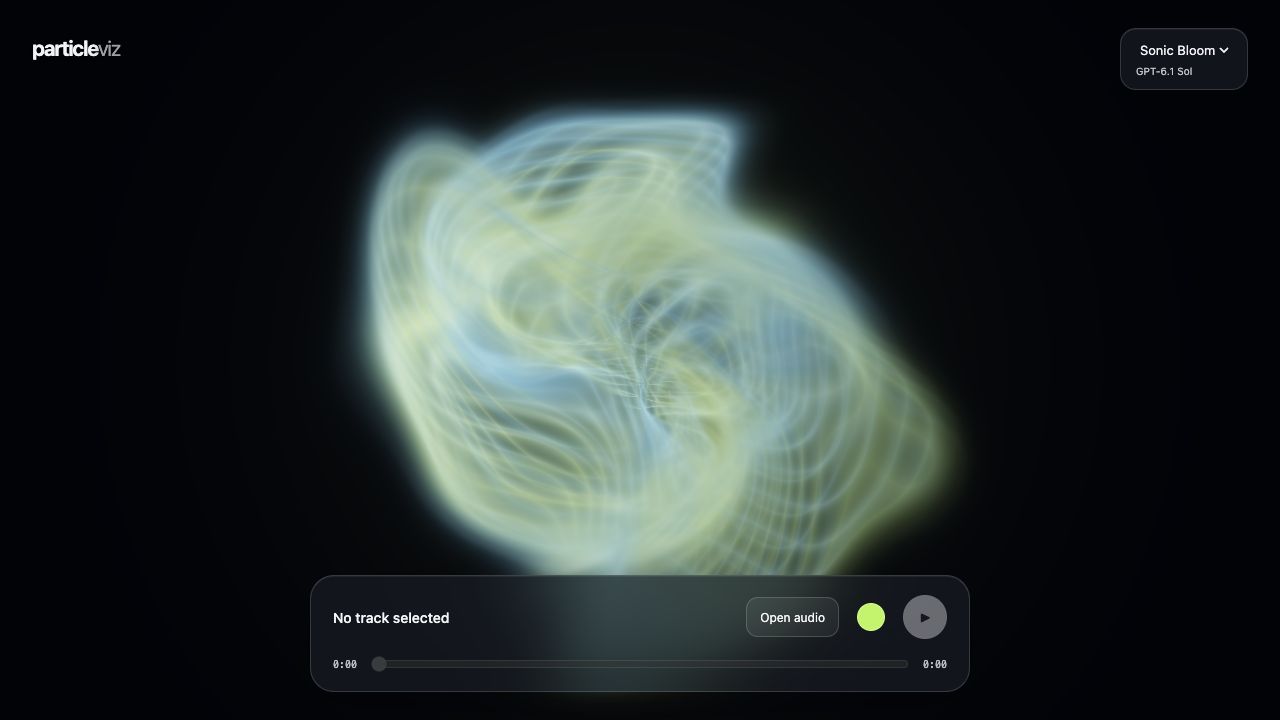
I wanted the player to give the visuals more space. The old page had too much text, so the first ticket replaced it with a full-screen canvas and a small glass playback dock. The second ticket added a broader AGENTS.md rule to stop future changes from bringing back slogans, decorative tags, and repeated explanations, while keeping useful labels and errors. Qodo caught a layout case I hadn't checked: at a 320x180 CSS viewport, the dock covered the visualizer selector. The usual mobile portrait check passed, but that didn't cover a short window or high zoom. I reproduced it, changed the short-height layout to allow scrolling, and added that check to the agent instructions before the next ticket. For the shader ticket, GPT-6.1 Sol generated Sonic Bloom, an original organic fragment shader. The visualizer agent worked from the API and its assigned module file; the host agent handled integration. I checked separate frames to make sure time, audio energy, and accent color each changed the image. Another useful Qodo finding was that reduced motion stopped the picture moving but didn't stop the GPU drawing it. The host now draws once and redraws on changes such as color, size, or graphics restoration. I checked actual draw calls: none were added during the static check, and changing the accent produced one new draw. The browser recovery check also caught a host bug before review: disposing old GPU handles after context restoration prevented the new renderer from starting. Moving disposal to context loss fixed it. Qodo reported no issues on the instructions-only PR; I still checked that it preserved labels, accessibility, errors, and model credit. The three PRs are reviewed and the confirmed findings are addressed. Merge and the updated Qodo rule-source sync are pending.
|

|
If you haven't seen my other posts, I'm building Commet, a gamified code-mapperthat turns a git repo into a star system: folders are planets, and test files are moons orbiting the code they test. On Day 3 my factory delivers a ticket. But it also shows an error Qodo didn't catch... My Ticketing ConnectionTicketing system: GitHub Issues (like everybody else 😆) Connection used (MCP or CLI): the How I checked the agent could list and read my tickets: every agent starts by running Ticket → Branch → PRSo far, 4 tickets have gone through the factory so far, each one ticket → branch → PR → merged:
Let's have a deeper look at one of these! Ticket link: #16: programmes the Branch and PR link: 
Acceptance criteria checked, with observed results and evidence:
And two different scans produce the same output, which shows its deterministic and working! Relevant edge or failure case and result: Qodo caught that a repo whose latest commit is empty ( Qodo findings I investigated, including any missed or irrelevant feedback:
When I ran it on our repo, I found two problems: fixtures and golden files counted as tests so were being displayed as moons when they weren't tests but rather test data, and every branch appeared twice in the scan. 
What reached the coding agent and what changed in the fix: So, I added new rules/criteria to the ticket (9–13):
Before the fix, 23 files counted as tests, and 11 of them were test data. After it, just the 12 tests are displayed. What I learnedDid the factory deliver what the tickets asked for? Yes, exactly what the ticket asked for. But the ticket asked for the wrong thing, and only running it on a real repo showed that. What I updated in the rules, skills, or review setup, and why (or why no update was needed): before the next ticket, PR #26 changes AGENTS.md:
Qodo reviewed that rule change too, and found 2 bugs in it 😂. Fixed of course. |

My ticketing connectionTicketing system: GitHub Issues 
Ticket → branch → PRTicket link: CamDuncalfe/agent-pfp#3 (pick a style in the builder) Ticket link: CamDuncalfe/agent-pfp#4 (preview art that isn't in the repo yet) What I learnedDid the factory deliver what the tickets asked for? Yes, both. But the same finding showed up on both PRs, so it's a rule AssistanceA coding agent (Claude Code) writes the code from my tickets and Qodo reviews it. The art starts in Midjourney and I cut it into layers |

A clean review isn't a finished ticketQodo gave my last PR 0 findings. It still had a hole. Three security tickets went from Ready to Done. 
My ticketing connectionTicketing system: GitHub Issues on a Projects board. I picked it because my code, PRs and Qodo's reviews already live there. A PR that says "Closes #27" links itself to its ticket and the agent only needs Connection used (MCP or CLI): the
How I checked the agent could list and read my tickets: I gave a new subagent two tickets. It read #26 fine and refused #37: "the acceptance has no result you can observe". Honestly? Fair. I'd much rather an agent stops than guesses what "done" means. Then Qodo reviewed the skill itself (#39) and pointed out that anyone commenting on an issue could steer my agent. Now it only listens to my ticket and to Qodo. The
|

| #26 · Remove location from photos | #18 · Every wait has a timeout | #27 · Check thumbnail size | |
|---|---|---|---|
| Branch → PR | s6-strip-jpeg-metadata → #40 |
s1.3-send-timeouts → #44 |
s14-check-thumbnail-size → #47 |
| Acceptance | ✅ A photo with GPS arrives with none, still upright, fingerprint OK. Also on my iPhone | ✅ A send to a silent device gives up after 10.0 s and tells the sender | ✅ A thumbnail claiming 30000 × 30000 is never decoded. Plain card instead |
| Edge case | ✅ HEIC, PNG and video get a "details not removed" warning | ✅ The others keep going: the photo still arrived in 0.4 s | ✅ 400 × 400 is shown. 401 × 400 isn't |
| Red → green | ❌ 7 of 12 new tests → ✅ 21/21 | ❌ 5 of 8 → ✅ 32/32 | ❌ 2 of 4 → ✅ 36/36 ❌ 1 of 5 → ✅ 37/37 (the gap) |
| Qodo found | 7, all real, 0 irrelevant (incl. my canary) | 4, all real, 0 irrelevant (incl. a bug my fix caused) | 0 |
| Missed by Qodo | — | — | ❌ bytes after the end marker |
| Fix | Each finding as its own test then fix | Photos announced again when a late key arrives | Nothing allowed after the end marker |
#26: did Qodo read the ticket?
Day 2's canary tested my rules. This one tested the ticket. Does Qodo compare the PR with what I asked for? Or does it only read the diff? Before pushing I quietly took out "Keep details", which the ticket asks for. I also left two known gaps in. Qodo caught all 3: "Sharers cannot send original photos". To be fair to the test: my PR body still said the checkbox was "already wired in" and Qodo noticed the code didn't match. That might have helped it. Still, the requirement gaps are the findings I value most. My tests only check what I thought of. The ticket is what I actually asked for.
I also tried it on my iPhone, because my test photos were ones I'd built myself. Only a real phone shows what the picker really sends. Its photos still had GPS in them. After the fix they arrive clean. The iPhone test also turned up a small UX bug, now #41.
#18: my fix broke something else
#18 is one of the 7 breaks I found on main on Day 2. Qodo spotted that my timeout made a device whose key arrived late never see anyone's photos. Oops. Fixing that turned up an older bug too: one failed relay message jammed the queue for everyone. Qodo's suggested fix was to track sends still waiting. I went another way: a send now reports whether it went out, and anything dropped is announced again when the late key arrives. Qodo's re-review marked it resolved and noted it was a different approach from the one it suggested. Another finding, an error blaming the wrong device, was minor and could have waited for F2. I fixed it anyway: telling someone their device failed when it didn't is worse than a vague error. What I took from it: a timeout is a decision to give up. Everything that was counting on that send needs to hear about it.
#27: 0 findings and still a hole
The threat: an image bomb. A tiny thumbnail can claim to be huge. Decoding it can take gigabytes of memory and freeze the phone it lands on. Anyone with the room link can send one, so a received thumbnail is only decoded if it's at most 400 × 400.
Qodo: "Great, no issues found!" Then a second review by a Claude Code reviewer session found a hole. The check stopped reading at the first end-of-image marker. That's exactly where Ultra HDR photos keep a second image. That means a small harmless-looking thumbnail could carry a huge one behind it.
Test first: a valid 400 × 400 thumbnail with a 30000 × 30000 image tacked on the end. It failed. The fix: nothing is allowed after the end marker. Then it passed and Qodo said 0 again.
Why did Qodo miss it? I think because the code did exactly what the ticket said: check the size in the header. The hole was in what the check never looked at. Different reviews look for different things. That's why I don't stop at one.


What I learned
Did the factory deliver what the tickets asked for? Yes, all three. But my #18 ticket didn't say what happens to photos waiting on a late key. Qodo found that gap. And #27 is the reminder: Qodo is a tool. It's really good. It can still miss things. It reviews against my rules and my ticket. Neither one said a check has to read everything it lets in, so there was nothing to hold the code to. That's a gap in my rules, not just in the code. Next I'm adding it to my Stranger rule: a check reads the whole file it accepts and anything left over means refused. Then I'll put the bug back as a canary and see if Qodo catches it this time.
How Qodo checks a fix: on every re-review it updates its original comment. Each finding gets Resolved, a link to the commit that fixed it and a short reason it counts as fixed. That's how I could tell a fix was accepted for the reason I meant, not just that the comment went quiet.
What I updated in the rules, skills, or review setup, and why:
- The same mistake twice became one rule. #26 and Day 16: Scan your repo with Arnica #18 had the same bug underneath: something marked done before it was actually done. I wrote that into my AGENTS.md once (Rule 3), plus a rule that photo details only leave the device if they're on an allowlist (Rule 6). Qodo turned those into 7 new review standards (12 → 19) without me asking. Why a rule and not just a fix? Each subagent starts with an empty context. The only way it learns from the last ticket is if the lesson is in the repo.
- The skill: tests get committed before the fix and every caller of a changed function gets checked.
- Both went in their own PRs (#42, #46) before the next ticket started. That way Qodo reviewed the rule change too and the next agent started with it. Findings went 7 → 4 → 0. I'd love to say that's the rules working. But #27 was also the smallest ticket, so it's fewer findings after the rules, not proof.

My ticketing connectionTicketing system: GitHub Issues (researchsite/hn-radar) Ticket → branch → PRTicket link: researchsite/hn-radar#3

Relevant edge or failure case and result:
Neither was irrelevant, and I found nothing Qodo missed beyond the two things I added myself (username validation, rate-limit message). What reached the coding agent and what changed in the fix: the agent read Qodo's review comment from the PR, including each finding's description and recommended fix, and judged each one. Fix: pagination now continues up to 20 pages (2000 repos) and fails with an explicit "refusing to build a partial profile" error instead of truncating. Cache writes now use a unique temp file that is cleaned up on failure. I added 4 regression tests. Qodo's re-review reported no open findings. What I learnedDid the factory deliver what the tickets asked for? Yes for #3. Every acceptance criterion maps to a named test, the edge cases behave as written, and the PR closed the issue. Writing the ticket with an intended result, criteria and an edge case first is what made the PR checkable. A clean Qodo review is not proof by itself, so I also ran the command against the real API. What I updated in the rules, skills, or review setup, and why (or why no update was needed): I added two rules to AGENTS.md after the review (PR #7): (6) limits must fail loudly instead of returning truncated results, and (7) every change ships edge-case tests, with a list of worst cases to cover first. They come straight from the two findings: a silent pagination cap, and tests that only covered the ticket's happy path. I kept the rules tool-neutral, so Claude Code, Goose and the reviewer all read the same instructions. I also kept Review-setup note: Qodo reviewed PR #7 automatically when it opened, but did not re-review after I pushed a follow-up commit. The review only updated after I triggered it manually with |


My ticketing connectionTicketing system: git (built into the repo so it will contain full history of tickets) Ticket → branch → PRTicket link: https://github.com/JD-cookie/Test01/blob/main/docs/features/002-rate-limiting.md What I learnedDid the factory deliver what the tickets asked for? Yes, but having a ticketing system is only a small part of a software factory. It takes a lot of time making sure the tickets have the level of detail needed before they are ready to hand off to an agent. I need to create rules to verify the tickets themselves are "good" before setting their status as ready to implement. |

|
Update, Nov 22: redone on Keynes, the project I moved to (see Day 1). The original Nightrune post is folded at the end. ConnectionThe backlog is GitHub Issues on hrhgit/Project.Keynes, read through the
Delivered behaviorI ran the test each PR added, on master and again with that PR's fix files restored (output:
What Qodo found, and what changed
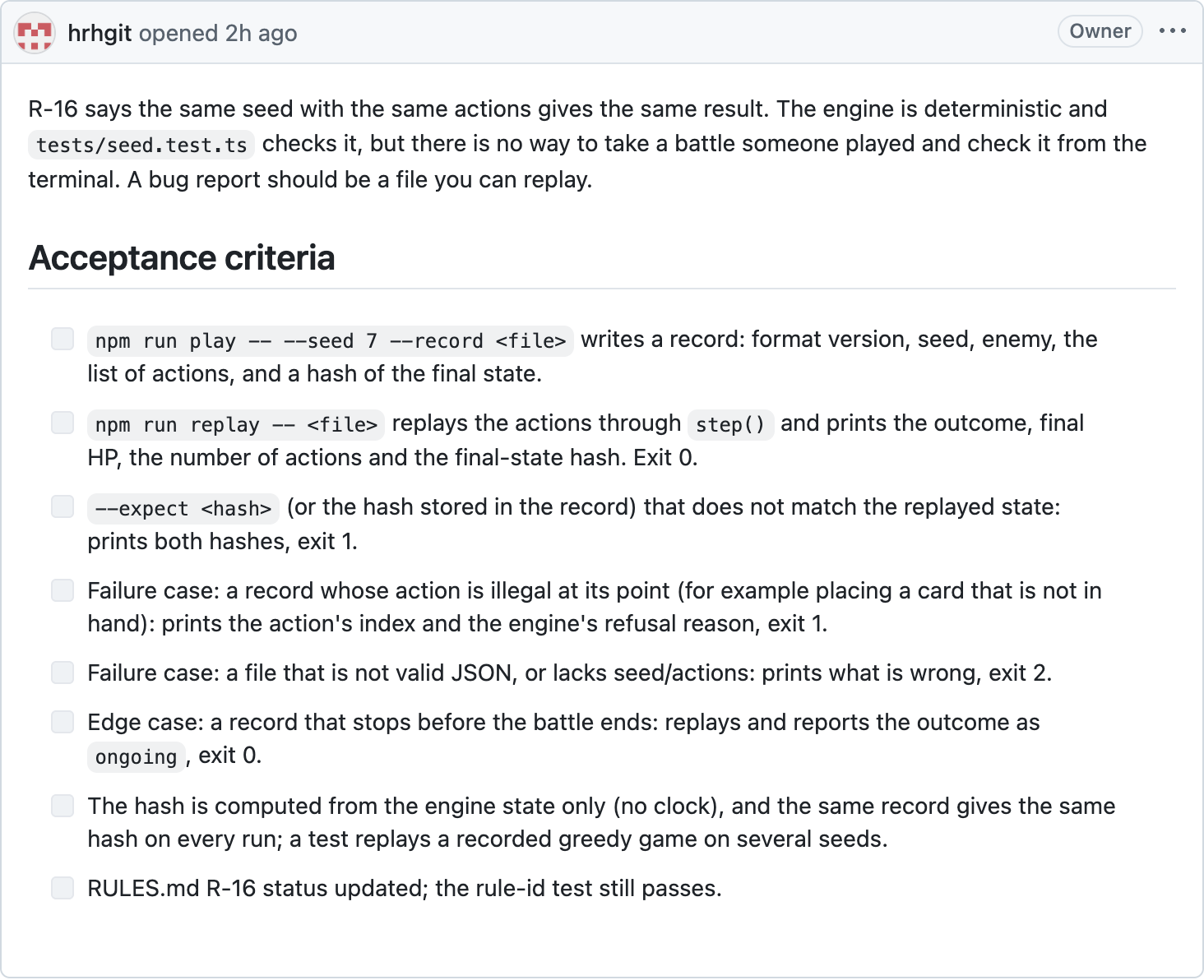
Not verifiedI did not measure whether Qodo missed requirements; behavior was checked only through each PR's own test. AssistanceCode and this draft: Claude Code, with Codex implementing tickets, under my direction. Review: Qodo. Keynes is a pre-existing project with a collaborator, who agreed to this use; only my and the factory's commits are entered. Original post (Nightrune)I joined on Nov 18 and am catching up in order; this is Day 3. My ticketing connectionTicketing system: GitHub Issues on https://github.com/hrhgit/nightrune Ticket → branch → PREach ticket has acceptance criteria with edge and failure cases; each PR repeats them and says how each was checked.
Edge and failure cases, run for real:
Mutation runs: 8 deliberate breaks of
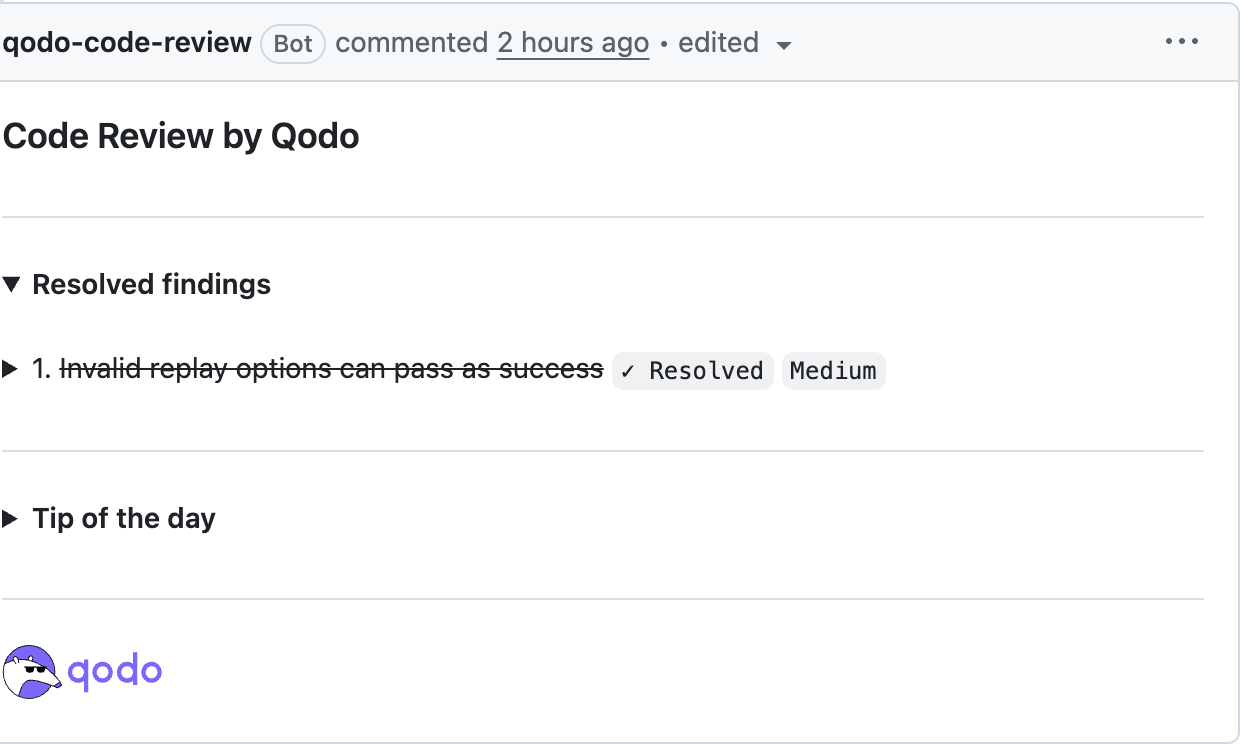
Qodo findings and what reached the agentOn #14 Qodo found that
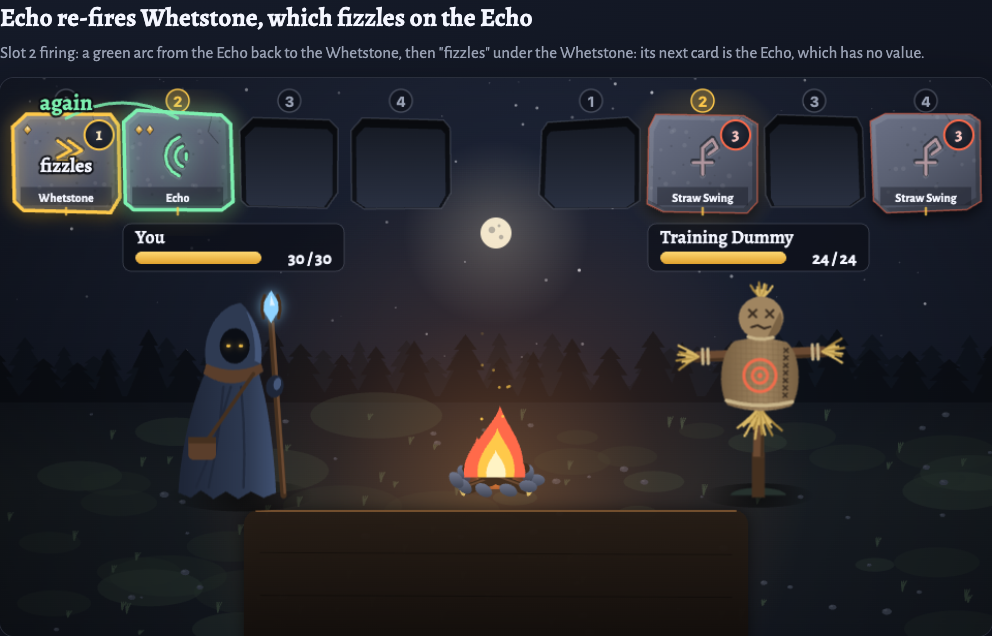
#15 and #16 had no findings, which did not make them done; the criteria runs did. My own checks caught what the review didn't: the replay pin from #14 changed when the deck changed (intended, noted in the PR), and placement tests silently depended on which cards seed 1 dealt; each new card broke one. What I learnedDid the factory deliver what the tickets asked for? Yes, every criterion checked. Left for me: Echo's rule made a second Echo in a row always fizzle; the PR flagged it rather than changing the rule. I have since decided it: Echo now copies the previous card, recorded as rulings RL-1 to RL-3 in RULES.md (#19). What I updated: code and tests for each finding. No rule change yet. The candidate rule: "a test must not depend on which cards a seed deals unless it pins them." Not verifiedThe board was checked with preview scenes, not a played game in the browser; Safari, Firefox and touch untested. AssistanceCode and this post were drafted by Claude Code (Opus) under my direction; reviews are by Qodo. |

My ticketing connectionTicketing system: GitHub Issues, so the backlog lives next to the code. Ticket → branch → PRTicket link: #3 Delete a record, #4 Conditional replace with If-Match, #5 Idempotency keys for record writes
I ran #3 on its own, then #4 and #5 in parallel. I merged #4 first and had #5 rebase onto it. Relevant edge or failure case and result: two racing PUTs with
What I learnedDid the factory deliver what the tickets asked for? Yes, every criterion passes and all three PRs are merged. One on purpose difference: #3's "start at 1 again" was a bad requirement, and a clean implementation of a wrong ticket still ships a bug. The reviewer caught a bad requirement, not just bad code. |

Polson's factory run: backlog to main, three ticketsPolson is an AI co-founder that ships one verified improvement every night ("no slop" backwards). Today its backlog went live. How I connected the ticketing system
Tickets and PRs (one branch, one PR each)
Each PR description carries the ticket link and its acceptance criteria. The agent could merge only under an explicit gate: every criterion verified with evidence, CI green on both Node versions, and no open High or Medium Qodo findings. Otherwise it had to stop and report. Evidence of delivered behaviour
What I learned from the findings
What I changed
Built with Claude Code; reviewed by Qodo. |

My ticketing connectionGitHub Issues via the GitHub CLI. I had Codex check the connection with Ticket → branch → PRClaude usage without a reset Issue #7 · PR #10,
Empty native Codex row Issue #12 · PR #14,
What I learnedBoth tickets delivered the requested behavior. We added malformed-sibling regression tests after #7, and the project rules now require base-owned CI, exact-head reviews and a recorded acceptance decision. Those checks answer different questions. Qodo found an input failure outside the original replay, and the replays supplied observed results for the ticket criteria. Project rules |

My ticketing connectionTicketing system: GitHub Issues on felipearos/software-factory. The harness also has Linear and Jira adapters behind the same interface. I filed five small tickets, #14–#18, each with "What to build", checkbox acceptance criteria with an edge case, and "Blocked by" edges that set the order: #16 and #17 wait for #14, and #18 waits for #16. Two loops, ralph and rafa, took them one ticket at a time. Each worked on its own branch Ticket → branch → PR (1)Ticket link: #14 tracker: a create command Ticket → branch → PR (2)Ticket link: #15 usage-stop: show every roster loop Ticket → branch → PR (3), after the fixTicket link: #18 a missing issue reads as "no issue #n" What I learnedDid the factory deliver what the tickets asked for? Yes for #14, #15 and #18, checked by running the merged commands myself. But "all criteria met and CI green" let through one High and two Medium Qodo findings, plus a stale-data bug that neither the loop nor Qodo saw. A clean review doesn't mean the ticket is complete, so I ran every command by hand.
Written with Claude Code (Anthropic); the loops are Claude Code sessions. |

My ticketing connectionTicketing system: GitHub Issues, in the project's own repo. The backlog is the README's "Planned" list turned into 10 issues (#3–#12), each with an intended result and acceptance criteria: https://github.com/Abdul-Jimoh/scrubline/issues Connection used (MCP or CLI): CLI. Claude Code uses the GitHub CLI ( How I checked the agent could list and read my tickets: the agent listed the detector tickets and read #3 back in full, including its acceptance criteria: I chose two tickets and their order: #3 first (a new detector, so it tests the Day 2 rules), then #4 (the CLI). Each got its own branch and PR, with the ticket link and acceptance criteria in the PR description. Ticket → branch → PRTicket link: Abdul-Jimoh/scrubline#3 (mask passwords in URLs and connection strings) Branch and PR link: Acceptance criteria checked, with observed results and evidence: one test per criterion in Relevant edge or failure case and result: an AWS key used as the user name, as Hadoop configs write it ( Qodo findings I investigated, including any missed or irrelevant feedback: 2 findings, both Medium.
What reached the coding agent and what changed in the fix: the IPv6 finding went to the agent with the ticket. The fix was one condition in Ticket link: Abdul-Jimoh/scrubline#4 (a Branch and PR link: Acceptance criteria checked, with observed results and evidence: Relevant edge or failure case and result: Qodo findings I investigated, including any missed or irrelevant feedback: 5 findings, all about the map file's lock or its edges.
What reached the coding agent and what changed in the fix: the two real findings went to the agent together. The lock file now records the holder's pid and its start time, so a reused pid no longer counts as the holder. A live holder is waited for, however old its lock is, and every run re-checks that it still holds the lock just before writing the map. If it doesn't, it exits without writing. Both have tests that failed before the fix (commit What I learnedDid the factory deliver what the tickets asked for? Yes, but not on the first try. Every acceptance criterion passed its test on the first version of each ticket, yet both tickets had real leaks that the criteria didn't name: an AWS key as a URL's user name, and the clipboard echoed in an error. "Done against the acceptance criteria" and "safe" turned out to be different bars. What I updated in the rules, skills, or review setup, and why:
AssistanceAI-assisted, human-led: Claude Code worked the tickets and drafted this post; an independent verifier agent checked each ticket before its PR. I chose the tickets and their order, decided which findings to fix or dismiss, and merged. |

My ticketing connectionProject: Lichtprobe. Connection: GitHub Issues via the connected GitHub tools in Codex. Codex listed the repository’s open issues, then read issue #2 back by number, including its description and four acceptance criteria. This was an explicit ticket pickup. Ticket → branch → PR
What I learnedA successful run can hide a mistyped option. Testing the output path as well as the exit status exposes that mistake. The collector validates the command before opening the output. Codex assisted with the implementation and tests. The PR remains open for review, and approval in the application remains a separate human step. |

ChallengeDay 3 (2026-11-04): Connect your factory to the backlog. Project
What I completed
Evidence
What I learned / what is blocked
|


 and others
Uh oh!
There was an error while loading. Please reload this page.
Day 3: Connect your factory to the backlog
November 4, 2026 · Week 1: Lay your factory’s foundations
Today, connect your ticketing system to your coding agent so it can pick up work from your backlog. Use Linear, Jira, monday.com, or another tool you already work with, and connect it through MCP or a CLI. Then have the agent work through the tickets one by one, each on its own branch with its own PR.
As the reviews come in, follow what happens to each ticket. Check whether the factory delivered what you asked for and whether the review helped you see what needed attention. Those findings can help you decide what to put in your project’s rules, which skills to add, or what context the reviewer needs next time.
Today’s challenge
Show your factory at work
Copy this template into a comment below. Repeat the ticket section for each ticket your agent worked on, and include what actually happened if a ticket is still unfinished.
All reactions