
Download databricks ai to explore a unified data intelligence platform for analytics, machine learning, and governance. Learn how teams use azure databricks to build pipelines, manage lakehouse data, and turn enterprise information into faster, trusted decisions across cloud workloads.
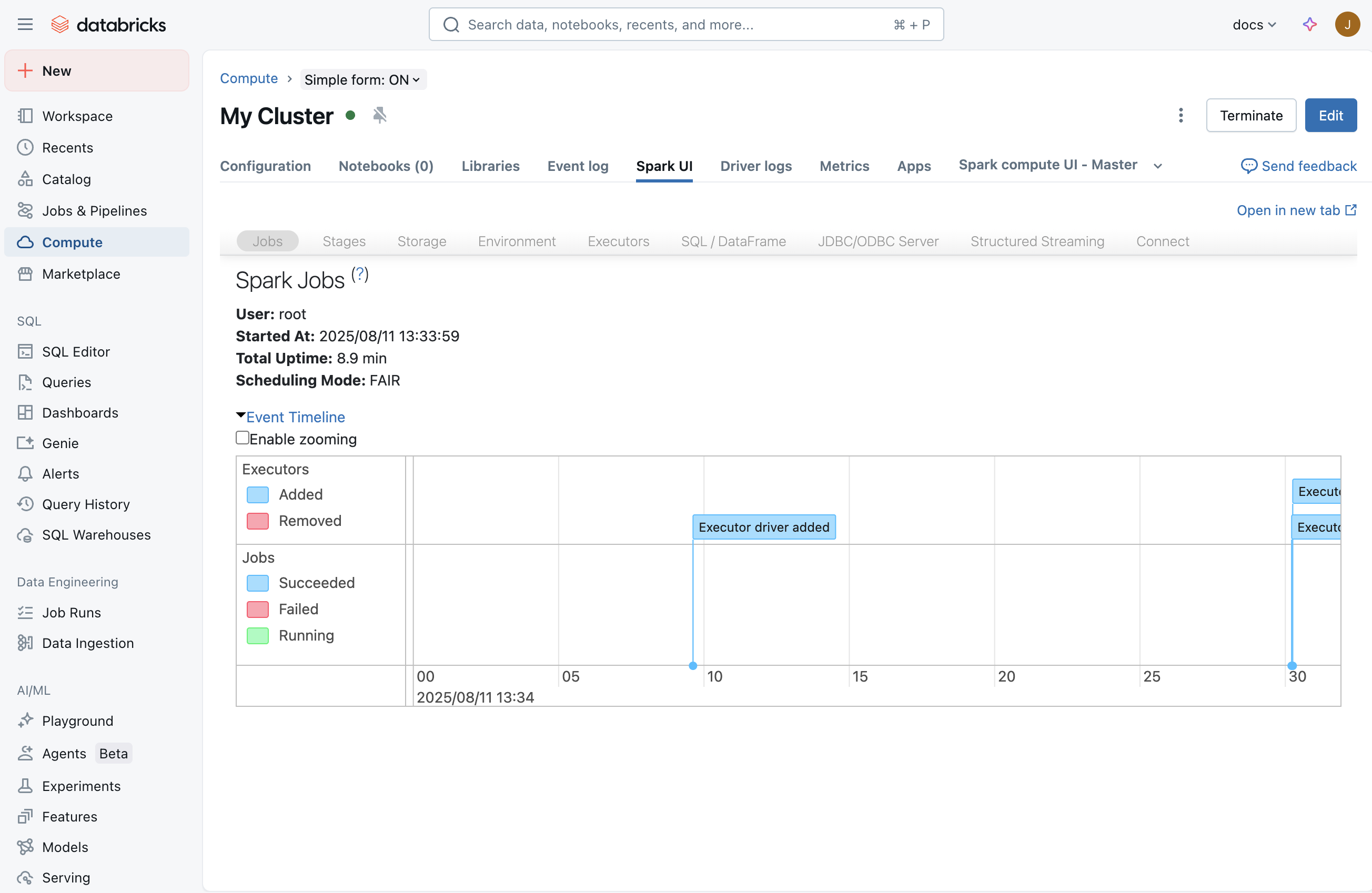
Databricks helps teams unify data engineering, analytics, machine learning, and governance on an open lakehouse platform for cloud workloads.
Databricks brings data teams, analysts, and AI builders into one collaborative workspace where pipelines, notebooks, governance, and production workloads can operate on shared lakehouse data. Many teams begin by asking what is databricks because the platform spans several categories at once: data engineering, databricks sql analytics, machine learning operations, and enterprise AI. The databricks company is known for combining Apache Spark heritage with managed cloud services, making azure databricks and aws databricks common choices for organizations that need scalable processing across large data estates.
The platform is also built around trusted access and cataloged data. Unity catalog and databricks unity catalog help teams manage permissions, lineage, discovery, and governance across tables, models, notebooks, and files. Developers can extend workflows through the databricks api, connect local tooling with databricks connect, and follow databricks documentation when designing production pipelines. For teams tracking databricks news, databricks one, or databricks workflows, the broader value is clear: a governed foundation for analytics and AI that can support both experimentation and repeatable enterprise delivery.
- Unified Data Engineering: Build batch and streaming pipelines that prepare lakehouse data for reporting, AI, and operational use. With databricks workflows, teams can schedule dependencies, monitor runs, and keep production jobs organized.
- SQL Analytics Workspace: Use databricks sql to explore governed datasets, create dashboards, optimize queries, and serve business users who need fast insight without leaving the Databricks environment.
- AI and Machine Learning Development: Databricks ai supports model training, feature work, evaluation, and deployment patterns for teams building applications from enterprise data.
- Governed Catalog Management: Unity catalog and databricks unity catalog provide centralized permissions, lineage, auditing, and discovery so data owners can manage access consistently across projects.
- Developer and Platform Integration: The databricks api, databricks connect, and databricks documentation help engineers automate environments, connect IDE workflows, and integrate lakehouse assets with existing systems.
- Review databricks documentation before designing a workspace structure, especially when multiple teams share catalogs, clusters, warehouses, and production jobs.
- Use azure databricks or aws databricks according to your cloud architecture, identity model, networking needs, and preferred storage services.
- Keep unity catalog permissions simple at first, then expand with clear ownership rules as databricks unity catalog adoption grows across departments.
- Monitor databricks news and platform release notes when evaluating databricks one, databricks ai features, databricks sql improvements, or changes that affect certification planning.
| Component | Minimum | Recommended |
|---|---|---|
| Cloud Environment | Supported Azure, AWS, or Google Cloud account | Enterprise cloud landing zone with networking, identity, and storage standards |
| Data Storage | Object storage or existing data lake access | Governed lakehouse storage with lifecycle rules and environment separation |
| User Access | Workspace users with assigned roles | Centralized identity, groups, and least-privilege access through unity catalog |
| Compute | Basic clusters or SQL warehouses | Autoscaling compute policies for databricks sql, ETL, ML, and databricks workflows |
| Integration Layer | Browser access and workspace notebooks | databricks api automation, databricks connect, CI/CD, and monitored production pipelines |
| Learning Resources | Basic onboarding materials | databricks certification paths, internal playbooks, and curated databricks documentation |
Prerequisites: A supported cloud account, access to data storage, assigned workspace permissions, and a clear plan for identity, governance, and initial workloads.

- Create or Access the Workspace: Open your cloud deployment for Databricks, azure databricks, or aws databricks and confirm that users, storage, and networking are ready.
- Set Up Governance: Configure unity catalog, create catalogs and schemas, assign permissions, and document ownership so databricks unity catalog can support shared analytics safely.
- Build Your First Workload: Use notebooks, databricks sql, or databricks workflows to load data, transform it, validate results, and publish tables for downstream teams.
- Connect Tools and Automation: Follow databricks documentation to use the databricks api, databricks connect, dashboards, alerts, and deployment workflows as projects mature.
- Data Engineering Groups: Build reliable ingestion, transformation, and orchestration systems with databricks workflows while keeping production data organized through unity catalog.
- Analytics and BI Teams: Use databricks sql to query lakehouse tables, create dashboards, and answer business questions without copying data into separate reporting silos.
- AI and Machine Learning Teams: Use databricks ai to develop, evaluate, govern, and operationalize models from enterprise data with collaboration between engineers and data scientists.
- Administrators and Career Builders: Platform owners can manage compliance with databricks unity catalog, while learners can follow databricks certification paths and track databricks jobs or databricks careers opportunities.
- Queries running slowly? Review warehouse sizing, table optimization, caching, and databricks sql query plans before changing business logic.
- Access denied in a catalog? Check unity catalog grants, group membership, schema ownership, and whether databricks unity catalog permissions match the intended workspace role.
- Local development not connecting? Revisit databricks connect setup, workspace authentication, cluster compatibility, and the relevant databricks documentation steps.
- Automated jobs failing? Inspect databricks workflows run history, cluster logs, library versions, secrets, and databricks api responses to isolate configuration or dependency issues.
databricks ai, what is databricks, azure databricks, databricks sql, databricks documentation, databricks news, databricks company, unity catalog, databricks unity catalog, databricks api, databricks jobs, aws databricks, databricks one, databricks certification, databricks connect, databricks workflows