

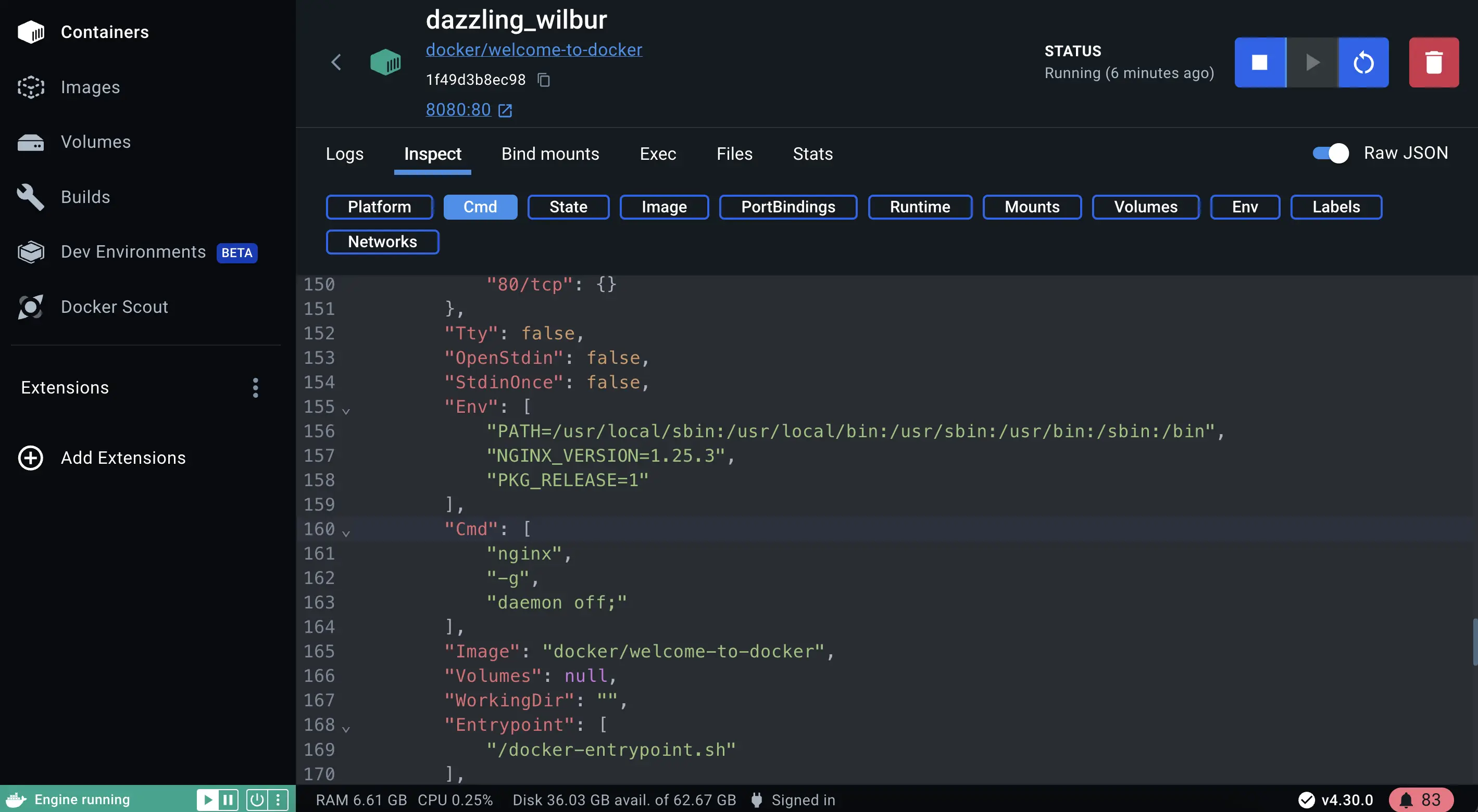
Download Docker Desktop 4 to build, run, and manage containerized projects from one reliable desktop environment. Explore Docker Desktop 4 release notes, setup guidance, Kubernetes tools, image workflows, and developer features designed to streamline local app delivery.
Use Docker Desktop 4 download resources and docker desktop download guidance together when setting up a new workstation, refreshing an existing install, or documenting docker desktop for windows onboarding for a development team.
Docker Desktop 4 helps developers build, run, and manage containers locally with integrated tools for images, Kubernetes, and app workflows.
Docker Desktop 4 brings the Docker engine, local container management, image tools, volumes, networking, and optional Kubernetes into a familiar desktop environment. Teams use Docker Desktop version 4 to keep application dependencies consistent across laptops, test branches in isolated services, and reduce the gap between local development and deployment pipelines.
For many users, docker desktop for windows is the primary path because Docker Desktop 4 for Windows integrates with WSL 2, terminal workflows, IDE extensions, and source repositories already used each day. Docker Desktop 4 for Mac and Docker Desktop 4 for Linux support similar container routines, giving mixed teams a shared way to run databases, queues, APIs, workers, and supporting services without rebuilding every dependency manually.
A typical Docker Desktop 4 install starts with choosing the platform package, confirming Docker Desktop 4 system requirements, and signing in or configuring organization policies when needed. After launch, developers can pull images, start Compose projects, inspect logs, open shells inside containers, and watch resource usage from one desktop interface.
Docker Desktop 4 Kubernetes is useful when teams need a local cluster for manifests, Helm charts, ingress testing, or service discovery experiments before pushing to shared infrastructure. Docker Desktop 4 WSL 2 support is especially valuable on Windows because Linux containers can run close to native tooling while still connecting to editors, terminals, and project folders.
Docker Desktop 4 update planning matters for teams that depend on stable base images, extensions, and Compose behavior. Reading Docker Desktop 4 release notes before upgrades helps developers understand engine changes, security patches, interface updates, and compatibility adjustments that may affect existing local projects.
| Area | Included in Docker Desktop 4 | Notes |
|---|---|---|
| Container runtime | Yes | Run, stop, inspect, and manage local containers from the Docker Desktop 4 interface or CLI. |
| Image management | Yes | Pull, build, tag, scan, and remove images during daily docker desktop download workflows. |
| Compose projects | Yes | Start multi-service applications for APIs, databases, caches, queues, and workers. |
| Kubernetes | Optional | Docker Desktop 4 Kubernetes provides a local cluster for development and manifest testing. |
| Windows integration | Yes | Docker Desktop 4 for Windows works with Docker Desktop 4 WSL 2 and common Windows developer tools. |
| macOS and Linux support | Yes | Docker Desktop 4 for Mac and Docker Desktop 4 for Linux support cross-platform container work. |
| Enterprise controls | Available | Docker Desktop 4 enterprise options support policy, administration, and organization-level management. |
Docker Desktop 4 is often part of a larger development loop rather than a standalone utility. A repository can include Dockerfiles, Compose files, sample environment variables, and setup notes so a teammate can run the same stack after completing Docker Desktop 4 install steps.
Automation benefits from consistency. When Docker Desktop 4 for Windows, Docker Desktop 4 for Mac, and Docker Desktop 4 for Linux users all run the same image definitions, teams spend less time debugging machine-specific dependency drift. CI pipelines can then build from the same Dockerfiles used locally, improving confidence that a fix tested on a laptop will behave similarly in shared environments.
Docker Desktop 4 pricing and Docker Desktop 4 enterprise considerations should be reviewed by organizations before wide rollout. Licensing, sign-in requirements, update controls, and administrative settings can affect how teams distribute Docker Desktop version 4 across managed devices.
Containers simplify isolation, but Docker Desktop 4 still needs thoughtful configuration. Developers should review mounted folders, exposed ports, stored credentials, and image sources before running unfamiliar projects. Trusted base images and regular Docker Desktop 4 update routines reduce risk from outdated dependencies.
Docker Desktop 4 troubleshooting often begins with checking resource limits, restarting the Docker engine, verifying virtualization support, and reviewing container logs. On Windows, Docker Desktop 4 WSL 2 issues can involve distribution state, kernel updates, or file sharing paths, while Docker Desktop 4 for Mac users may need to tune memory and disk settings for heavier stacks.
Software teams use Docker Desktop 4 to standardize development environments for web applications, APIs, background jobs, local databases, and integration test stacks. It is especially helpful when projects need repeatable setup across new hires, contractors, and multiple operating systems.
Individual developers benefit from Docker Desktop 4 download access when they want to experiment with containers without maintaining separate virtual machines. Docker Desktop 4 Kubernetes also helps platform engineers, DevOps teams, and application developers test deployment assumptions before committing changes to shared clusters.
Organizations evaluating Docker Desktop 4 pricing or Docker Desktop 4 enterprise features can use the desktop product as a controlled entry point for container adoption. Policy settings, predictable installs, and documented Docker Desktop 4 release notes help IT and engineering teams coordinate upgrades with less disruption.
Docker Desktop 4 install fails on unsupported hardware--check virtualization settings, operating system version, and Docker Desktop 4 system requirements before retrying.
docker desktop for windows cannot start--verify WSL 2 health, restart the service, and confirm Docker Desktop 4 WSL 2 integration is enabled.
Containers run slowly--adjust CPU, memory, disk image size, and file sharing paths in Docker Desktop 4 settings.
Kubernetes resources do not appear--reset Docker Desktop 4 Kubernetes, then reapply manifests after the local cluster reports ready.
Updates change behavior--review Docker Desktop 4 release notes, compare Compose output, and pin image versions when projects require stable dependencies.
Docker Desktop 4, docker desktop for windows, docker desktop download, Docker Desktop 4 download, Docker Desktop 4 for Windows, Docker Desktop version 4, Docker Desktop 4 release notes, Docker Desktop 4 update, Docker Desktop 4 install, Docker Desktop 4 for Mac, Docker Desktop 4 for Linux, Docker Desktop 4 system requirements, Docker Desktop 4 pricing, Docker Desktop 4 Kubernetes, Docker Desktop 4 WSL 2, Docker Desktop 4 troubleshooting, Docker Desktop 4 enterprise