@JamesAPetts
Note 1: I'm primarily testing a plugin that integrates the OHIF viewer into XNAT.
Note 2: This issue was originally reported as two separate issues for that project here: JamesAPetts/ohif-viewer-XNAT-plugin#22 and JamesAPetts/ohif-viewer-XNAT-plugin#23. From there, I was directed here.
Note 3: At least for the series descriptions, these were not contrived examples I cooked up. These were some actual series descriptions I found on TCIA. The series number was also something I found online.
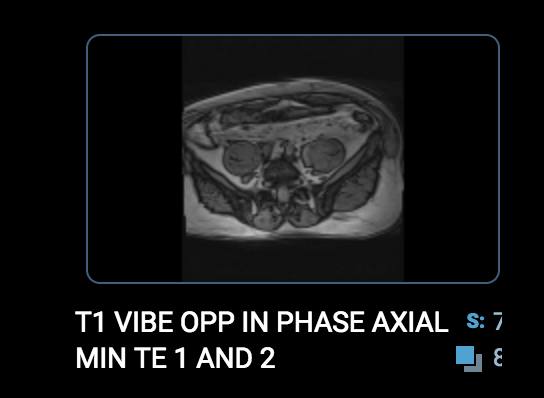
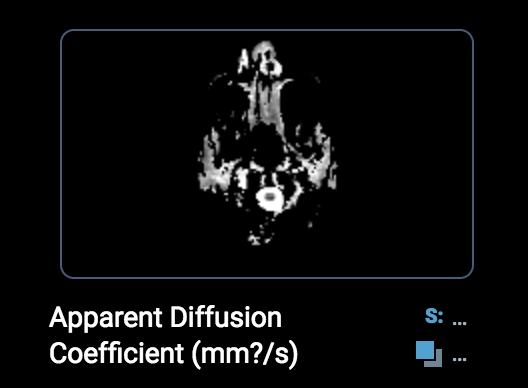
(0008,1030E) Series Description has a VR of LO, which has a maximum length of 64 characters. As such, series descriptions this long (or even significantly longer) are valid per the spec. In cases like this, different unfortunate things can happen to the series number or frame counts. One example shows the numbers being cut-off in the middle (and these are only single digit numbers). The other example shows the numbers being replaced with ellipses entirely.
Series Number (0020,0011) has a VR of IS. I don't see anything in the General Series Module that would place any restriction on the value other than what's enforced by the VR, but I don't think I've ever seen a negative integer series number (that sounds really weird). So, the largest number I would expect to see in practice would be 2^{31} - 1 = 2147483647. That's a 10 digit number. Even allowing a negative value just bumps it to 11 characters. As such, it's probably best to not truncate this field at all, right?
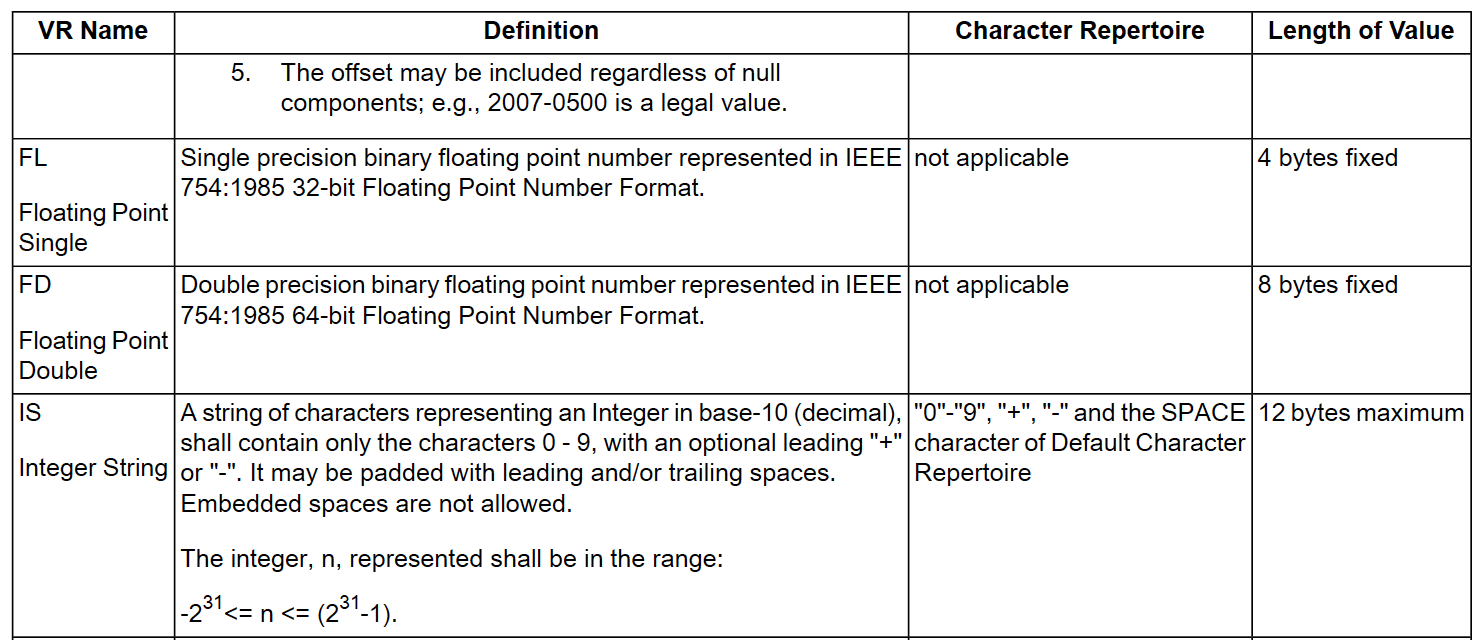
In the particular study where I took the screenshot above, there were two series with series numbers 2429000 and 2429001. Since it was truncated after 3 digits, you wouldn't have been able to tell them apart in the series list (technically only one showed up in the list since the other had an unrecognized SOP class, but that's not super relevant).

@JamesAPetts
Note 1: I'm primarily testing a plugin that integrates the OHIF viewer into XNAT.
Note 2: This issue was originally reported as two separate issues for that project here: JamesAPetts/ohif-viewer-XNAT-plugin#22 and JamesAPetts/ohif-viewer-XNAT-plugin#23. From there, I was directed here.
Note 3: At least for the series descriptions, these were not contrived examples I cooked up. These were some actual series descriptions I found on TCIA. The series number was also something I found online.
(0008,1030E) Series Descriptionhas a VR ofLO, which has a maximum length of 64 characters. As such, series descriptions this long (or even significantly longer) are valid per the spec. In cases like this, different unfortunate things can happen to the series number or frame counts. One example shows the numbers being cut-off in the middle (and these are only single digit numbers). The other example shows the numbers being replaced with ellipses entirely.Series Number (0020,0011)has a VR ofIS. I don't see anything in the General Series Module that would place any restriction on the value other than what's enforced by the VR, but I don't think I've ever seen a negative integer series number (that sounds really weird). So, the largest number I would expect to see in practice would be2^{31} - 1 = 2147483647. That's a 10 digit number. Even allowing a negative value just bumps it to 11 characters. As such, it's probably best to not truncate this field at all, right?In the particular study where I took the screenshot above, there were two series with series numbers 2429000 and 2429001. Since it was truncated after 3 digits, you wouldn't have been able to tell them apart in the series list (technically only one showed up in the list since the other had an unrecognized SOP class, but that's not super relevant).