wiki²
https://github.com/aibolem/airesican/wiki/wiki²/
https://en.wikipedia.org/wiki/Aeolis_Palus

Затененная и раскрашенная топографическая карта кратера Гейла на Марсе, основанная на публично опубликованных данных стереокамеры высокого разрешения (HRSC). Эллипс посадки MSL обозначен на северо-западном дне кратера.
A shaded and colorized topographic map of Gale Crater, Mars, based on publicly released High Resolution Stereo Camera (HRSC) data. The MSL landing ellipse is indicated in the northwestern crater floor.
google.github.io/dracoჼ [Бო©არტтвэЛöвი] ზოგიერთი ჰერაკლოგლიფი განზრახ შეცვლილია, ოჯახის რელიქვიების პატივისცემის მიზნითმ ვიდრე საზ.აზრი ჩვეულ არხში დასტაბილდება ზოგიერთი შემოგდებული ისტერიის მიუხედავად ...
იკა჻ჼ
https://google.github.io/draco/


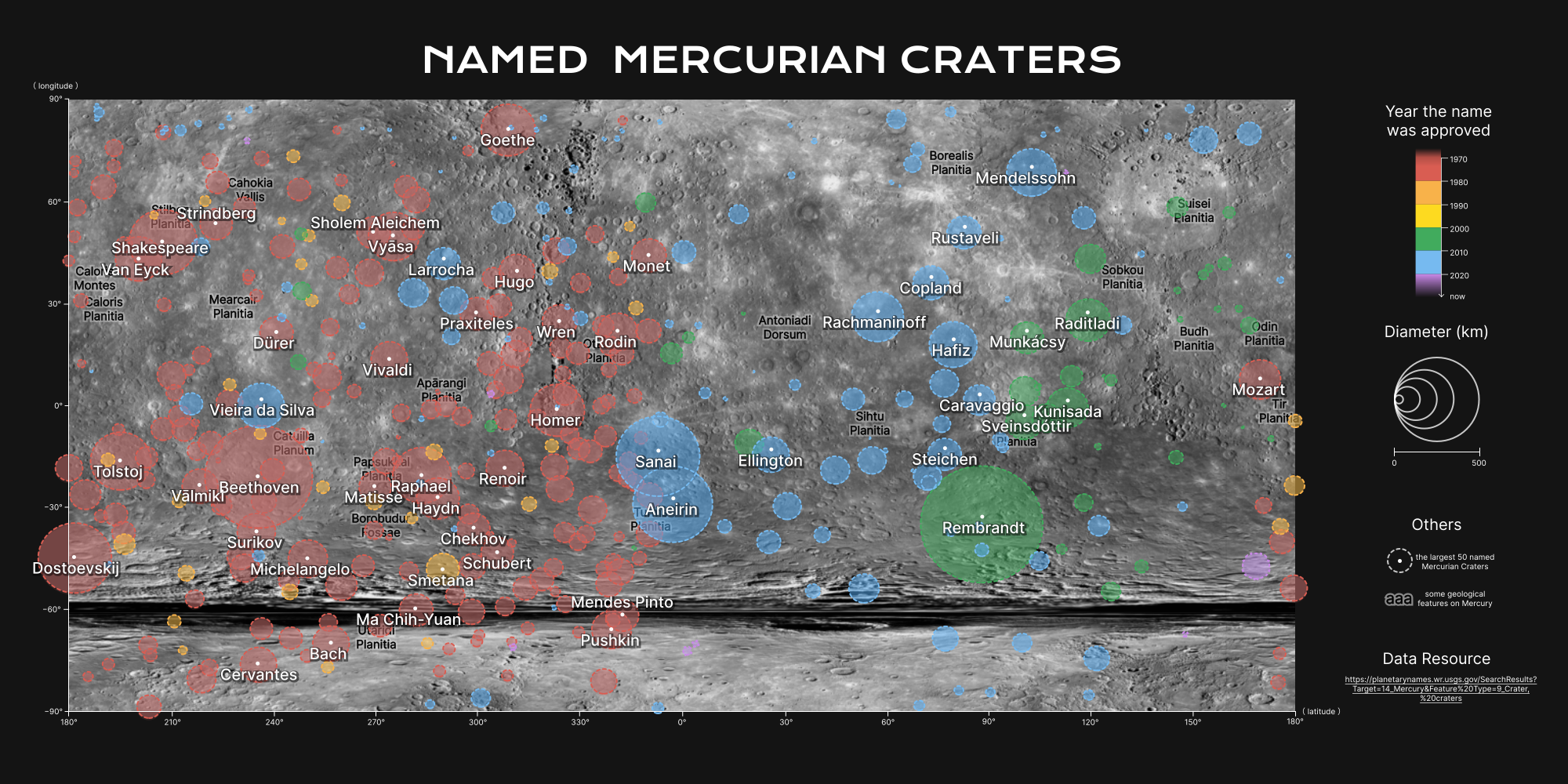
to view large map click link övan pÅ länk för att se storre kartan av/i kraters (i ჼgenetisches zukunft)


This crater is now called Rustaveli. The original NASA caption follows. Date acquired: July 16, 2011 Image Mission Elapsed Time (MET): 219266241 Image ID: 509587 Instrument: Wide Angle Camera (WAC) of the Mercury Dual Imaging System (MDIS) WAC filter: 7 (748 nanometers) Center Latitude: 51.79° Center Longitude: 82.82° E Resolution: 203 meters/pixel Scale: The basin is approximately 180 km (112 mi) in diameter Incidence Angle: 62.3° Emission Angle: 0.2° Phase Angle: 62.5° Of Interest: This image taken by MDIS's Wide Angle Camera is dominated by an unnamed basin formed from a large impact on the surface of Mercury. Although the impact was energetic enough to create a central peak ring in the basin, the ring has been mostly flooded by impact melt and/or volcanic plains. To the MESSENGER summer interns, the partial ring of mountains resembles a smile. This image was acquired as part of MDIS's high-resolution surface morphology base map. The surface morphology base map will cover more than 90% of Mercury's surface with an average resolution of 250 meters/pixel (0.16 miles/pixel or 820 feet/pixel). Images acquired for the surface morphology base map typically have off-vertical Sun angles (i.e., high incidence angles) and visible shadows so as to reveal clearly the topographic form of geologic features.
https://planetarynames.wr.usgs.gov/Feature/14971

