Computer Vision Methods
Gaze tracking (or eye-tracking) is a technology that detects and analyzes where a person is looking by tracking eye movements, gaze direction, and fixation points. It typically uses computer vision and infrared cameras to monitor the position of the eyes and determine the user’s focus.
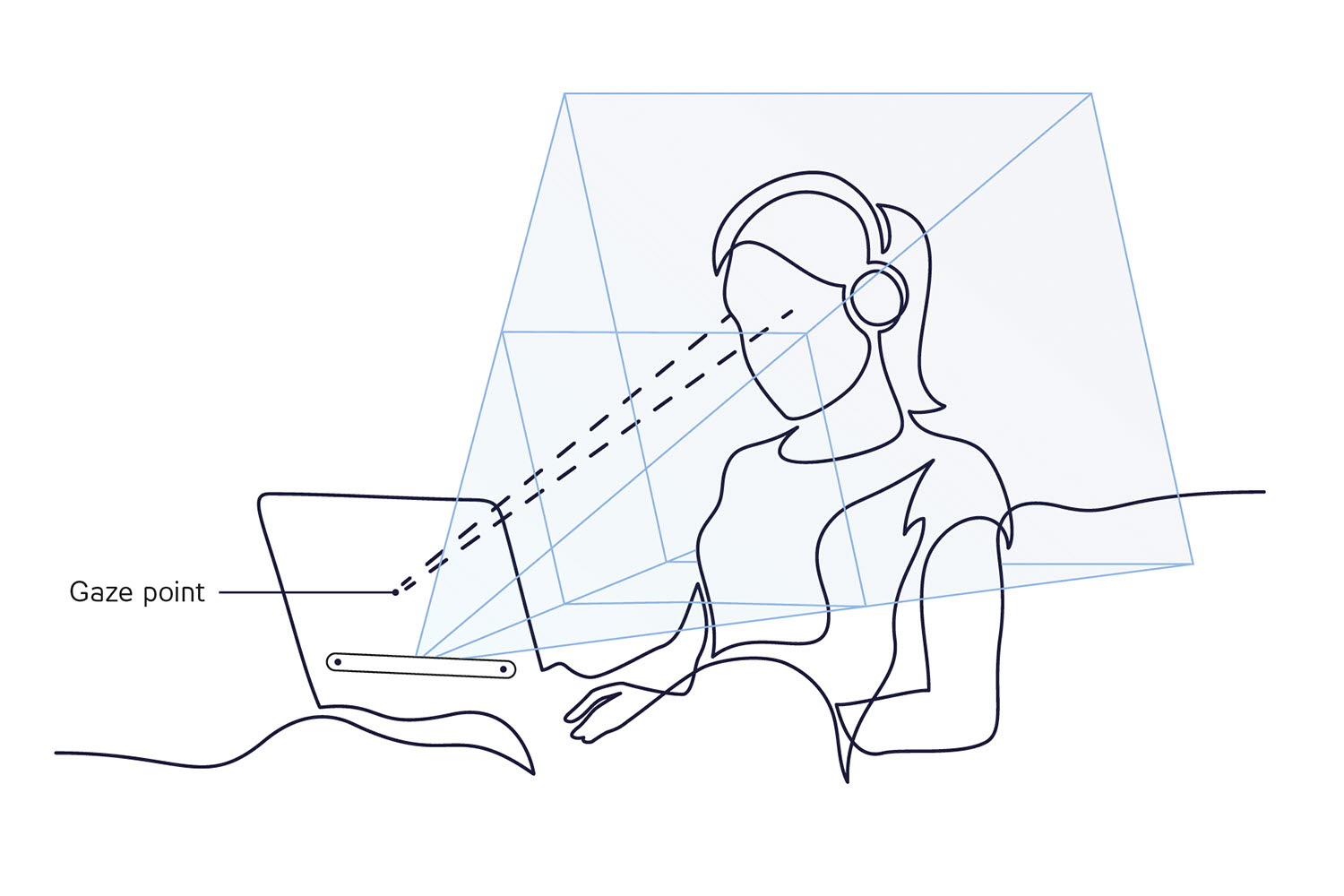
In our project, gaze tracking plays a crucial role in several ways:
- It allows the application to detect whether the user is actively looking at the screen and, if so, whether they are focusing on relevant areas. This helps determine if the user is staying engaged or getting distracted.
- If the user looks away from the screen—such as when checking their phone—the gaze tracker will no longer receive a visual feed to process. This data is then analyzed alongside pose estimation and object detection systems to assess whether the user is distracted.
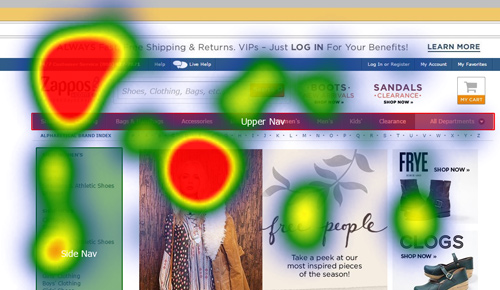
This project uses the GazeCloud API, the documentation for which can be found here
Pose estimation is a computer vision technique that detects and tracks key points on the human body (such as the head, shoulders, and hands) to determine body posture and movement. It helps identify physical actions, such as looking down or turning away.
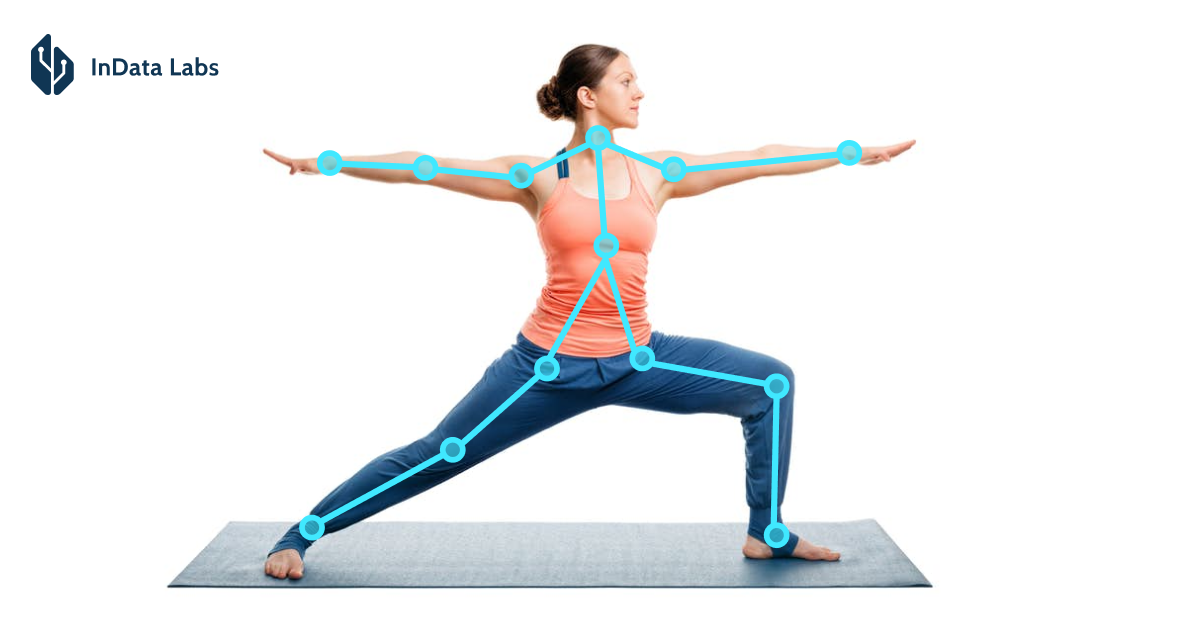
Pose estimation plays a crucial role in distraction detection, especially when identifying key objects like a phone or a notebook, which can indicate whether the user is engaged or distracted.
For example, if neither a phone nor a notebook is visible within the camera’s field of view, gaze tracking alone can determine whether the user is looking at the screen. However, pose estimation helps further refine this detection by analyzing the user's head position. If the system detects a downward head tilt or an unusual posture, it can infer potential distractions and trigger an alert.

In the example above, I was looking at my phone, which was outside the camera’s field of view. By analyzing facial key points relative to other body key points, the system can detect if my head is tilted downward, helping determine whether I am distracted.
Flowcus uses Google Mediapipe for pose estimation, the documentation for which can be found here