This material has been written with the help of GPT-3, and has been edited for relavancy and length.
To make DeFi easier for builders. We aim to achieve this by creating a language generation bot which could process as well as answer their complex queries on various aspects of DeFi.
There are distractions everywhere you look. It's hard to focus on anything for more than a few minutes without something pulling your attention away. Even if you're not looking for distractions, they seem to find you. And it's only getting worse with the rise of the attention economy. The attention economy is the idea that our attention is a valuable commodity that can be bought and sold. The more attention you can get, the more money you can make. This has led to a lot of businesses and individuals trying to find ways to get our attention.

In an attention economy, the focus is on maximizing the use of scarce resources. In other words, it is all about making sure that people are using their time and energy in the most efficient way possible. This usually means creating incentives for people to use their time and energy in ways that are beneficial to the economy as a whole. One of the key ideas behind an attention economy is that people are more likely to pay attention to things that they find interesting or valuable. This means that businesses and other organizations need to create content and experiences that are interesting and valuable enough to capture people's attention. Another key idea is that people have a limited amount of attention to give. This means that businesses need to compete for people's attention and make sure that they are providing something worth paying attention to.
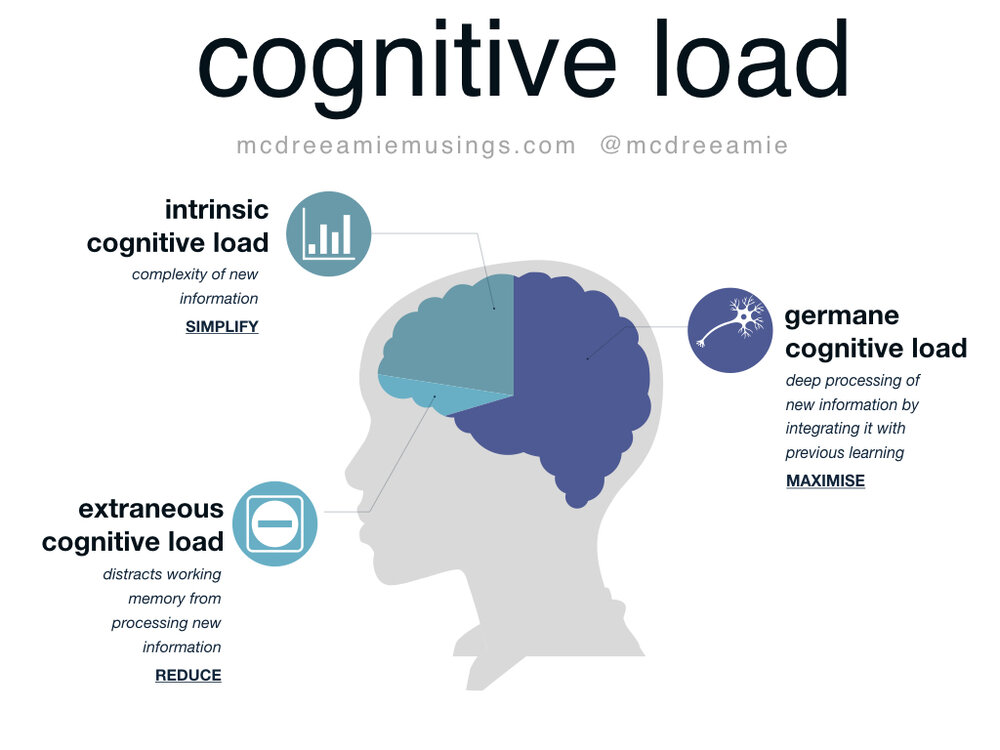
Crypto or let's say DeFi as an economy has been known to evolve at a rapid pace. Everyday you are faced with hundreds of substacks, tens of whitepapers and a significant amount of updates from existing protocols. To stay updated, builders are continually required to process the information presented, manage the learning environment or the materials being used, and learn or remember the task at hand. This can add significant cognitive load. And in turn, it can lead to poorer performance on tasks. When designing learning experiences or work environments, it is important to consider how best to minimize the cognitive load associated with accessing information. This may include providing clear and concise instructions, organizing materials in an easily searchable way, and chunking information into manageable pieces.
GPT3 can answer complex questions by understanding the natural language used to ask the question, and then retrieving relevant information from a knowledge base. It can also generate an answer by reasoning from first principles, or by using heuristics.