Tag 24: Spring Security
- Identität des Benutzers
public String getMe(Principal principal) {
if (principal == null) {
	return "No one logged in";
}
	return principal.getName();
}
1. Möglichkeit (funktioniert nur im Controller)
public String getMe() {
return SecurityContextHolder.getContext().getAuthentication().getName();
}
2. Methode (funktioniert überall)

Authorization Type "Basic Auth" auswählen, um Zugangsdaten einzugeben
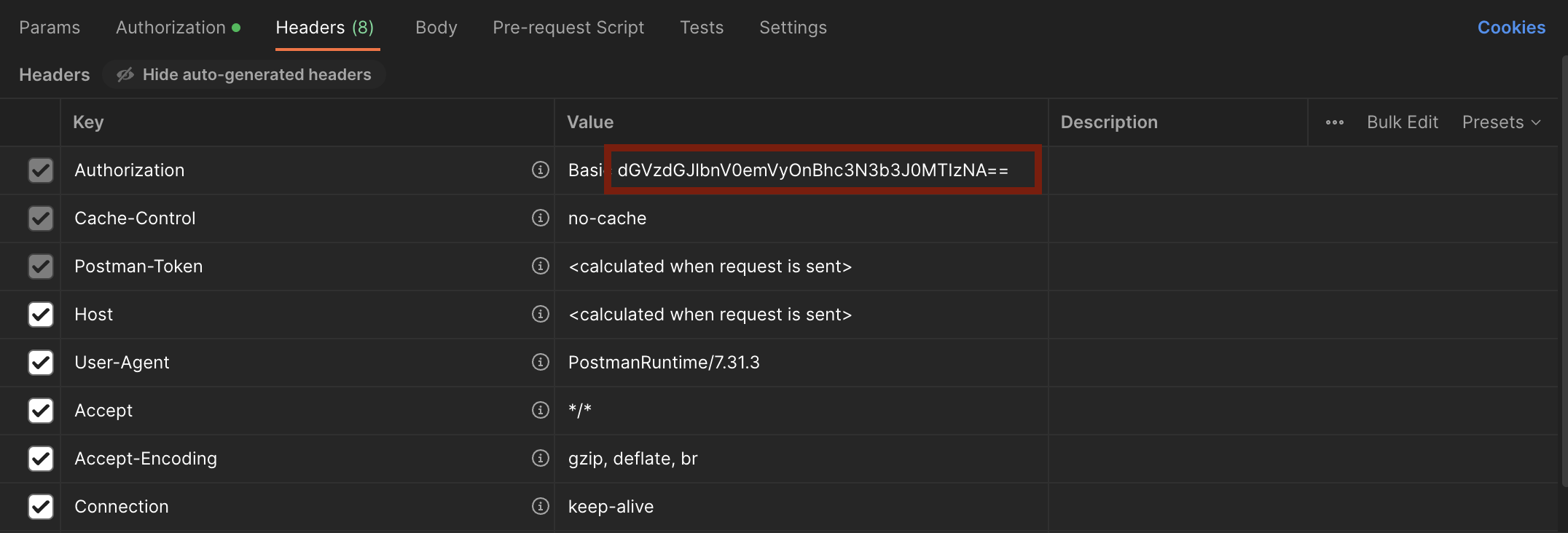
Unter Headers > Authorization wird Base64-Code generiert (kann mit bestimmten Webseiten decoded werden)
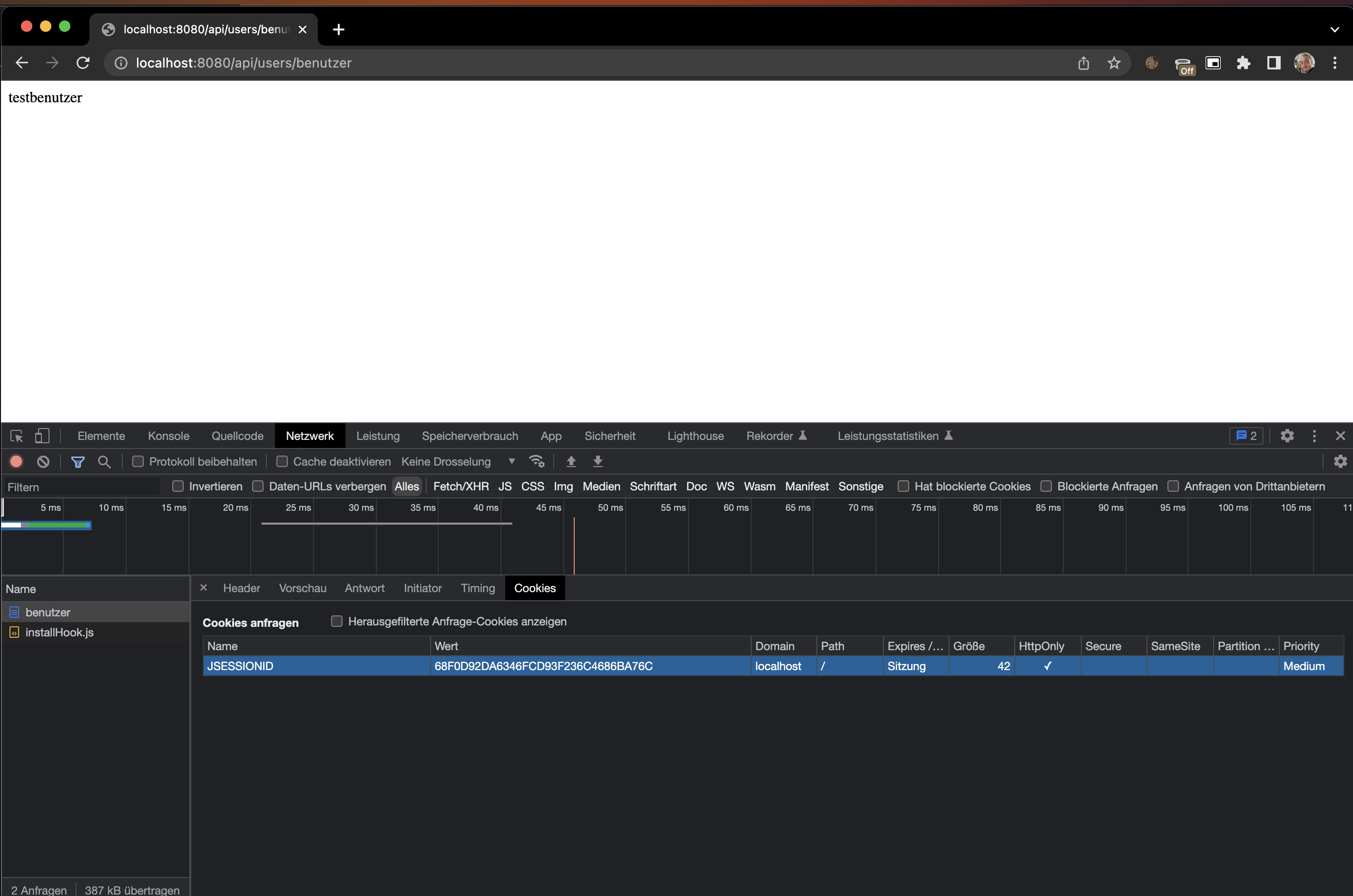
Erstellter Cookie kann bei Browser über Netzwerkanalyse angezeigt werden
- steht für Cross-Site Request Forgery
- Token dient zum Schutz vor Angriffen
@Bean
public SecurityFilterChain filterChain(HttpSecurity http) throws Exception {
      CsrfTokenRequestAttributeHandler requestHandler = new CsrfTokenRequestAttributeHandler();
      requestHandler.setCsrfRequestAttributeName(null);

      return http
              .csrf(csrf -> csrf
                      .csrfTokenRepository(CookieCsrfTokenRepository.withHttpOnlyFalse())
                      .csrfTokenRequestHandler(requestHandler))
              .httpBasic()
              .authenticationEntryPoint((request, response, authException) -> response.sendError(HttpStatus.UNAUTHORIZED.value(), HttpStatus.UNAUTHORIZED.getReasonPhrase()))
              .and()
              .authorizeHttpRequests()
              .requestMatchers("/api/users/**").permitAll()
              .requestMatchers("/api/**").authenticated()
              .anyRequest().permitAll()
              .and()
              .formLogin()
              .and().build();
  }
Code um CSRF-Token zu generieren
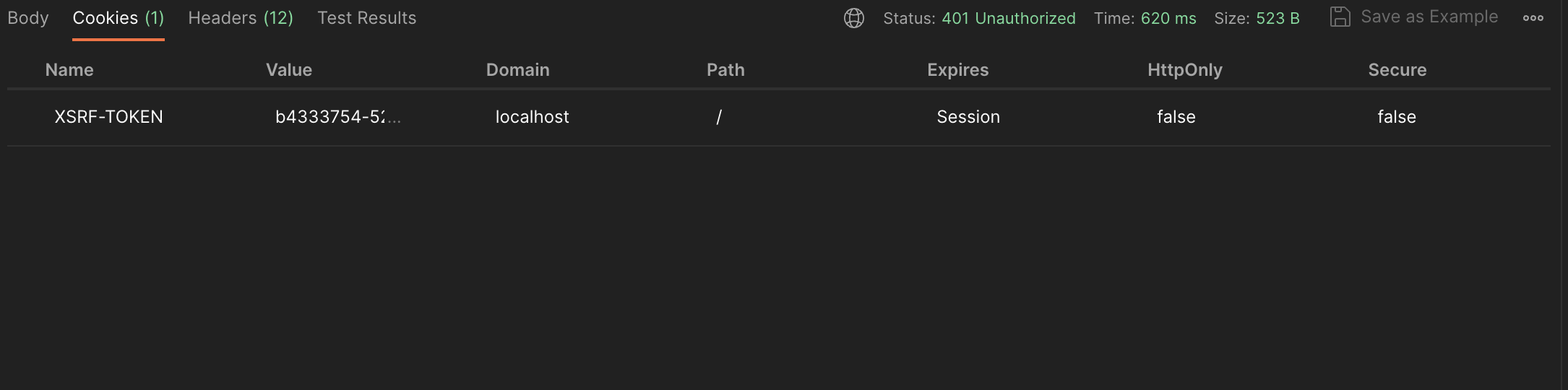
Wird bei Postman bei GET-Anfrage bei Cookies angezeigt
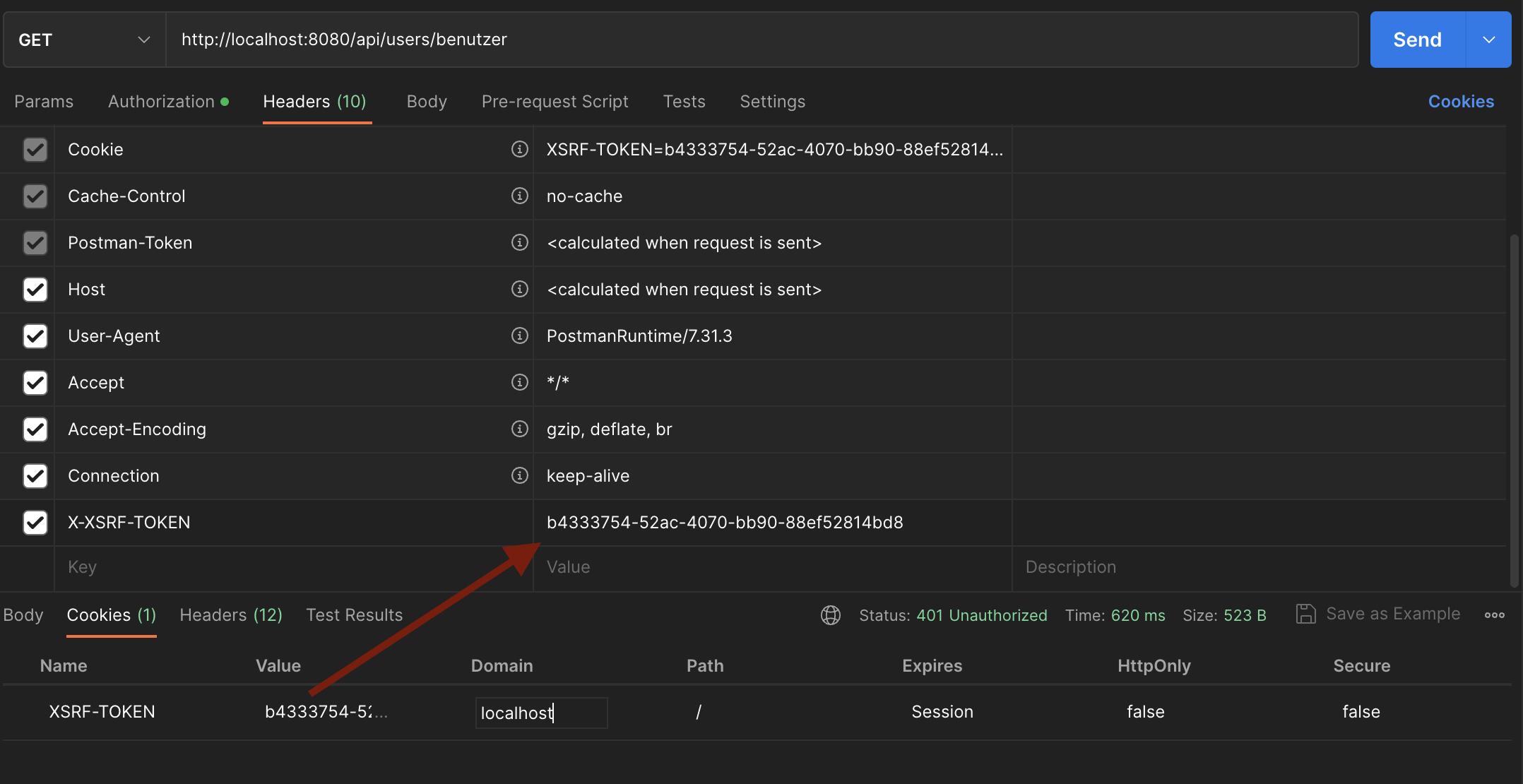
Unter Header Token mit dem Key "X-XSRF-TOKEN" eintragen
.logout()
.logout() ersetzt formLogin()