
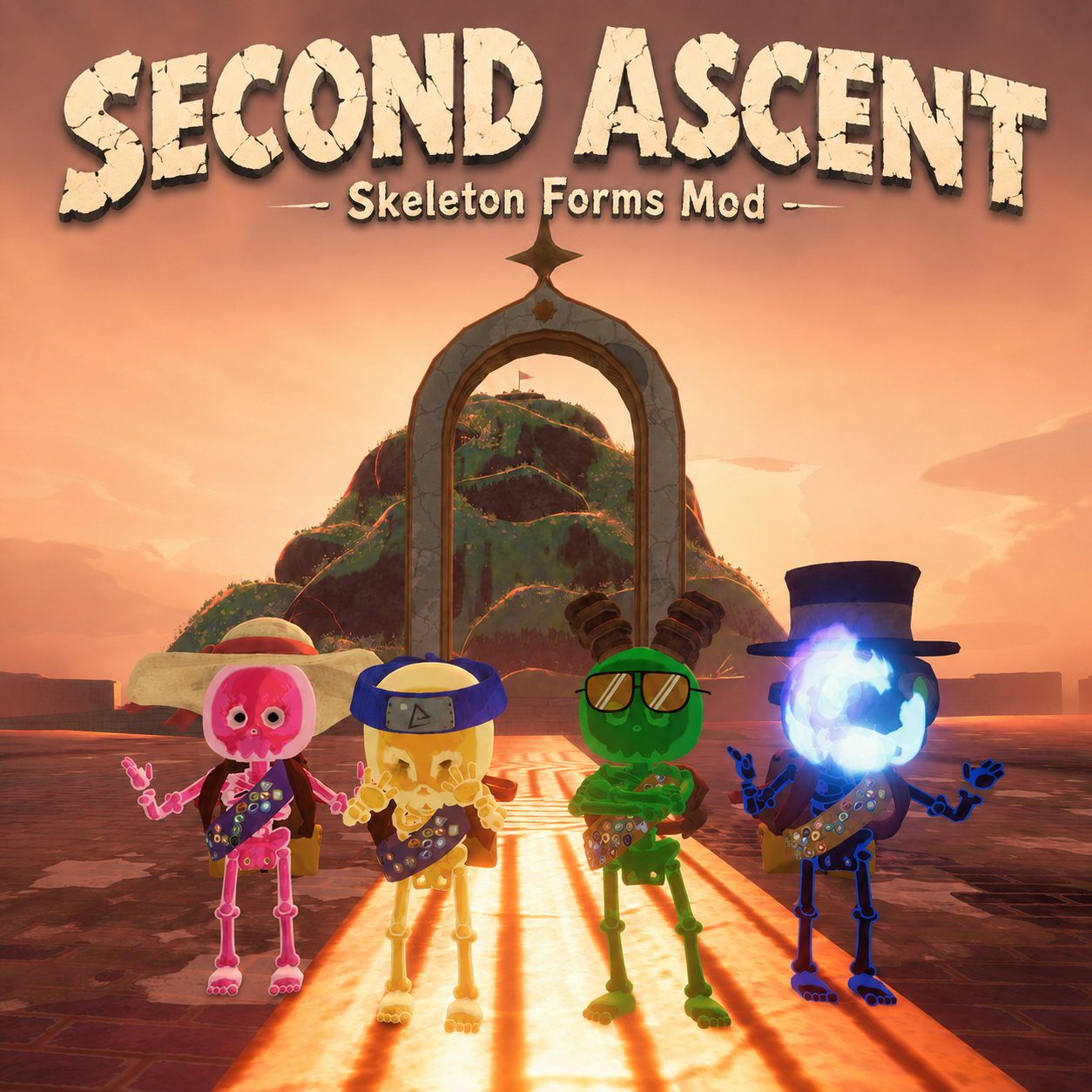
The mountain took your life. It does not get to take you out of the adventure.
Second Ascent turns death in PEAK into a new co-op role. When a scout falls before the rest of the team, they can return as a support skeleton shaped by the way they died — still carrying their gear, still climbing with their friends, but now with a strange new body and a completely different job on the mountain.
One unlucky step can turn you into the team's medic. A frozen climber may return as the fastest scout alive. A fiery death creates a walking campfire. Get eaten, and you may come back hungry enough to make everyone else nervous.
Death is no longer time spent waiting. It is the beginning of your second ascent.
- Death creates a role, not a spectator. Your skeleton form is chosen by what killed you.
- Every form changes how you play. Scout ahead, rescue friends, create anchors, clear fog, become a campfire, or swing across the mountain on a web.
- Your adventure stays intact. Your inventory and backpack remain with you when you transform.
- Built for co-op. Skeletons are unusual, powerful helpers rather than replacements for living scouts.
- Two ways to play. Use the original death-driven experience, or turn on Arcade mode and choose forms for a chaotic custom run.
- A rare choice in your pocket. A one-use Golden skeleton can appear in ordinary luggage—15% in brown, 25% in white and 35% in orange—and grants one form change even when quick selection is locked.
- Host-controlled rules, personal controls. The host decides the run's rules; every player can choose their own keys.
- English and Russian UI. Other game languages fall back to English.
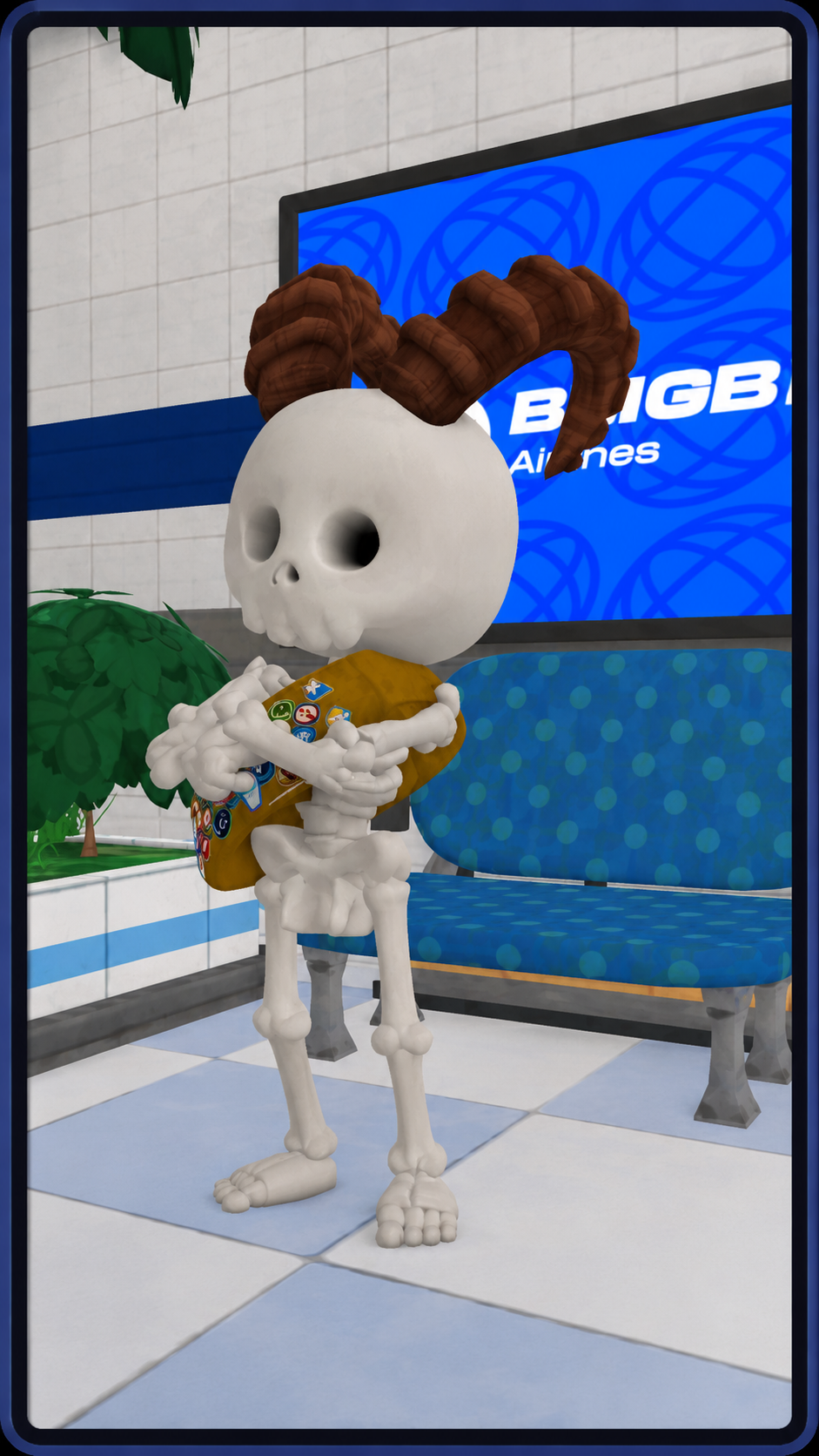
Trauma is built for the climber who refuses to leave anyone behind. It moves carefully, climbs with confidence, and can carry an injured friend without being dragged down by their weight.
Its bones are more useful outside the body than inside it. Trauma regularly supplies the team with Bone anchors, and with empty hands it can even pull out another one when the route desperately needs a new grip. Throw a Bone hard into a suitable wall or place it like a piton, and the whole team gets one more chance to survive the climb.
Choose Trauma when: your group needs a rescuer, a carrier, and someone who always seems to have one last anchor.
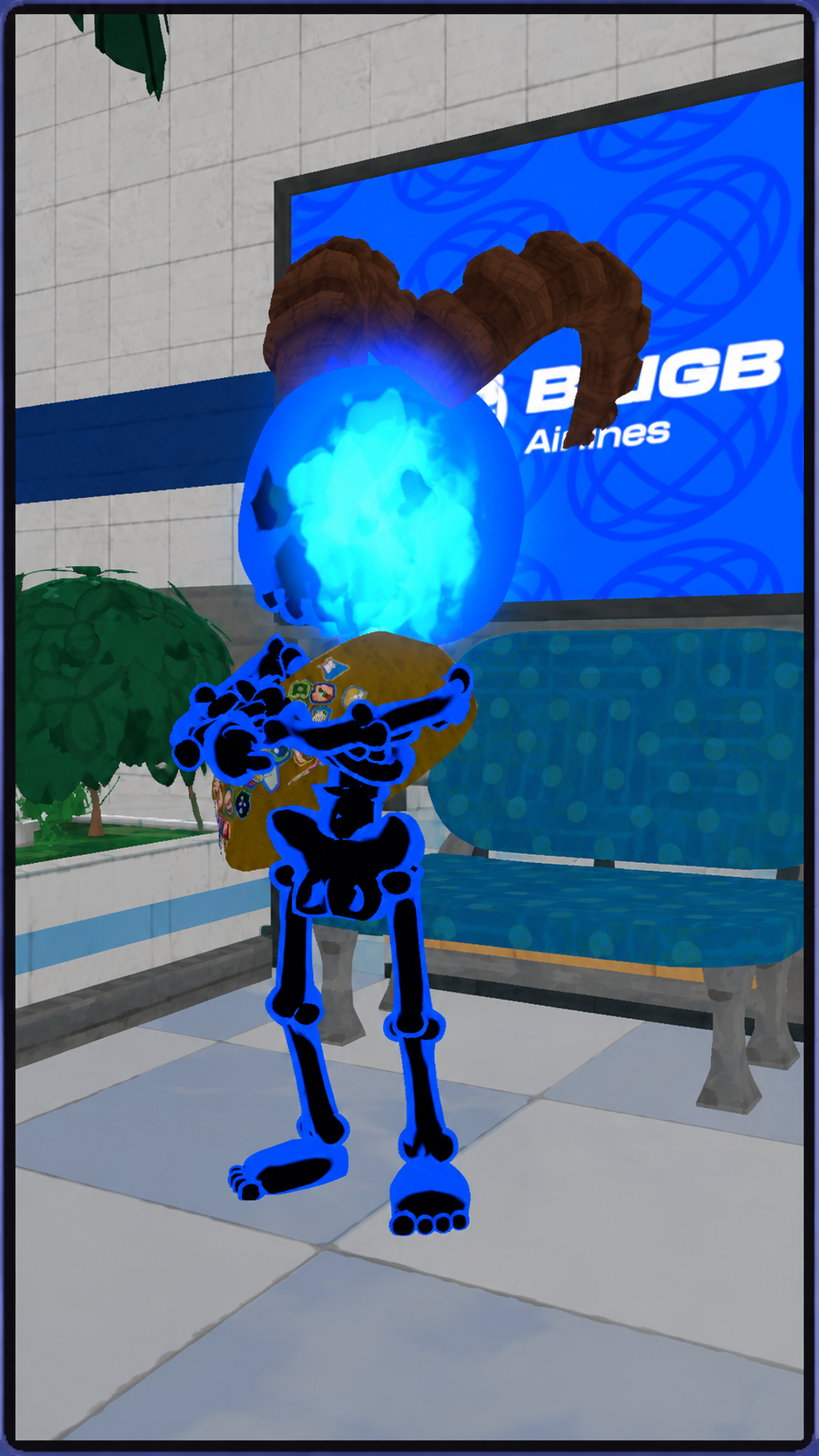
Fire brings the comfort of camp wherever it goes. Its burning skull warms cold scouts, cooks food for the team, and makes a dark camp feel a little less lonely.
There is, naturally, a downside to hugging a living flame: anyone who gets too close may get burned. Fire also has an explosive temper. Before detonation, its blue flame and glowing body gradually heat through white, yellow and orange until both become red — a beautiful warning that everyone should probably start running.
Choose Fire when: the team needs warmth and cooking on the move, and you enjoy being both the campfire and the emergency.
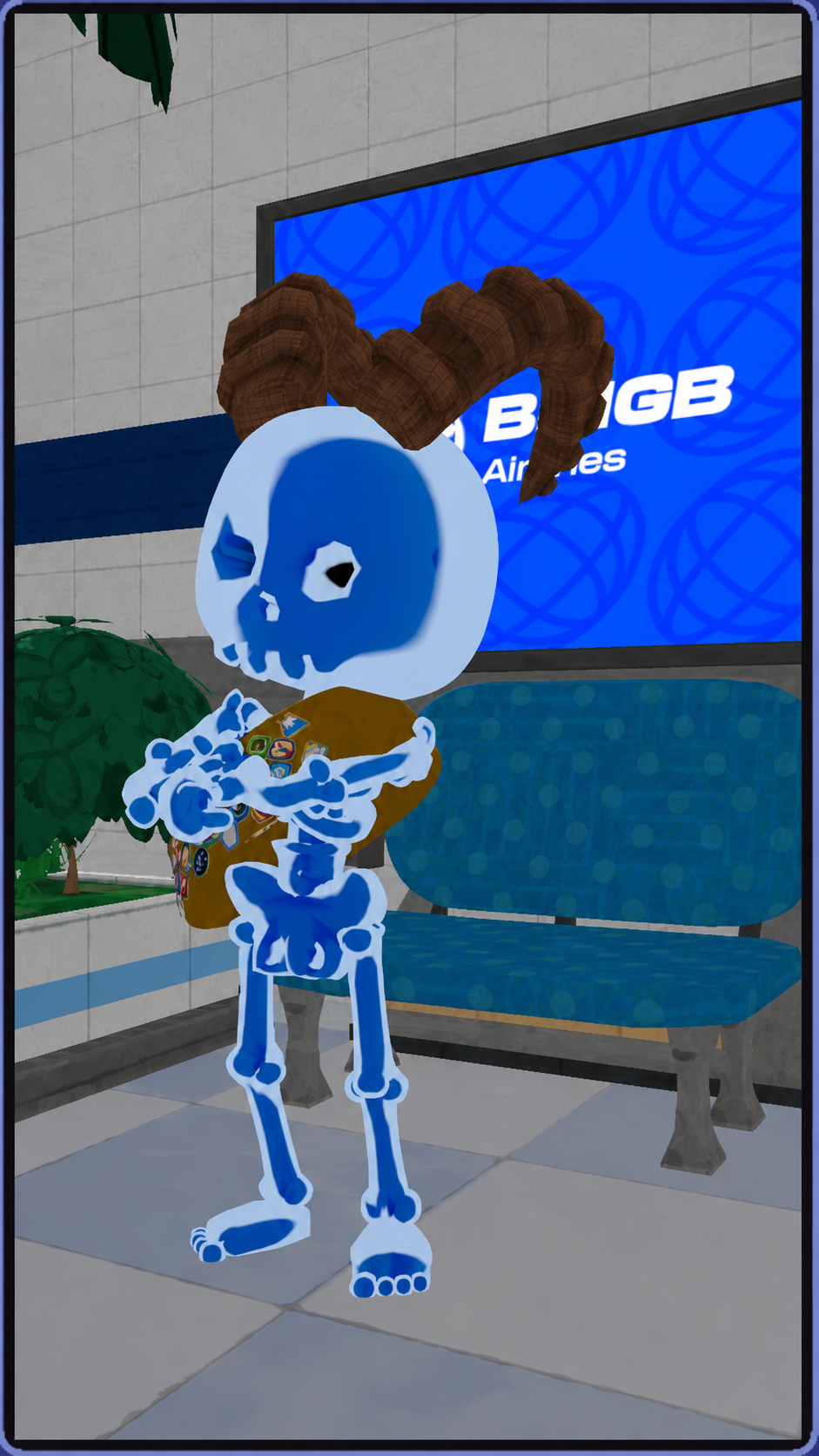
Ice is made for players who want to move. It races ahead of the team, chills anyone standing too close, and leaves temporary icy grips behind while climbing so others can follow its route.
The mountain has a sense of humour, though. Ice may occasionally lose its footing while sprinting, and its sudden cold flashes can turn a calm moment into chaos for everyone nearby.
Choose Ice when: you want to scout the next section quickly and leave a frozen trail for your friends.
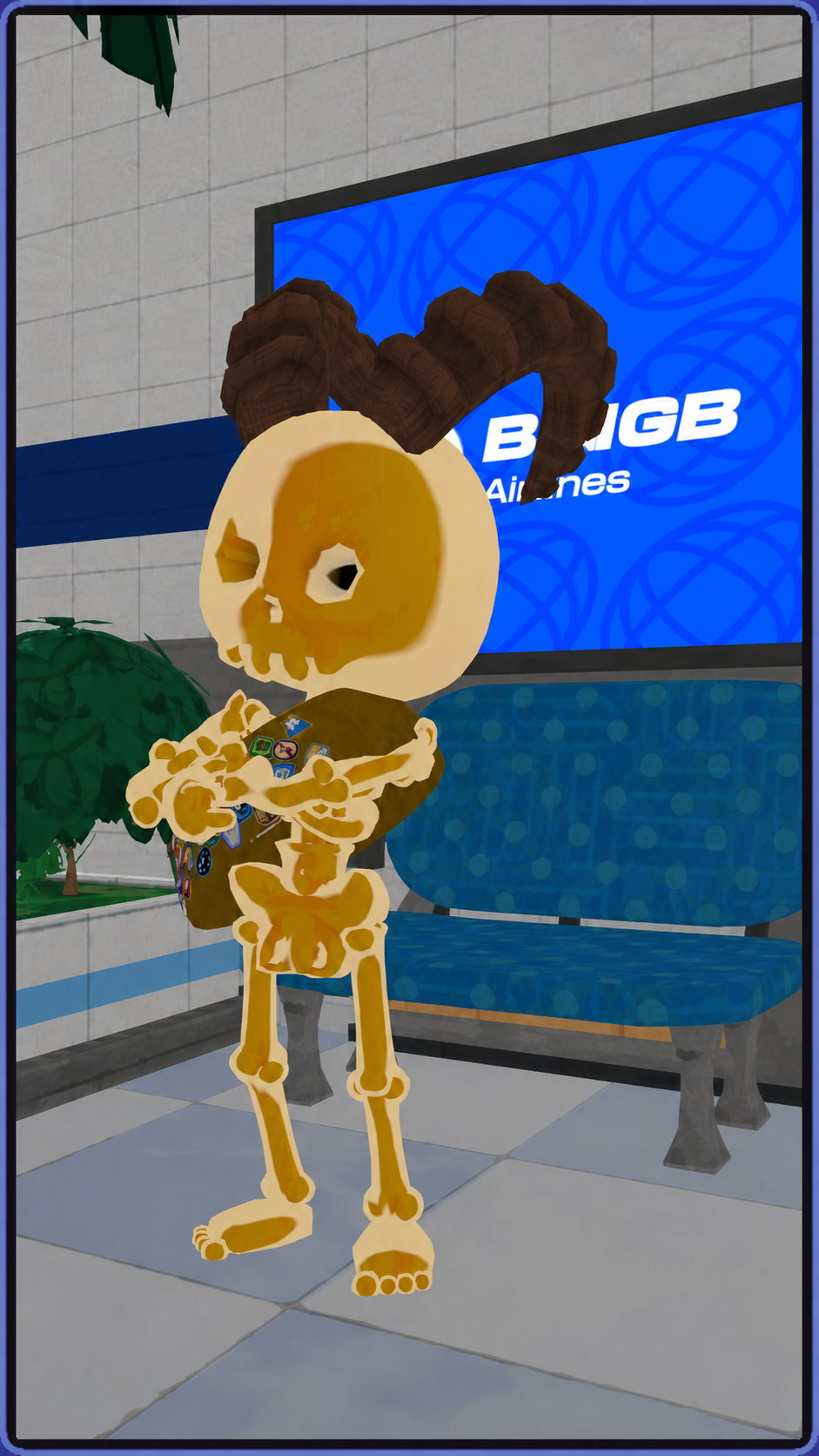
Hunger is fast, light, and always searching. It can sense edible items through walls and across long distances, making it the perfect guide when the group is starving and the next meal is hidden somewhere in the fog.
Looking at Hunger for too long has consequences. The closer another scout watches it, the hungrier they begin to feel. It is an excellent scout and a terrible dinner companion.
Choose Hunger when: speed, exploration, high jumps and finding food matter more than making your friends comfortable.
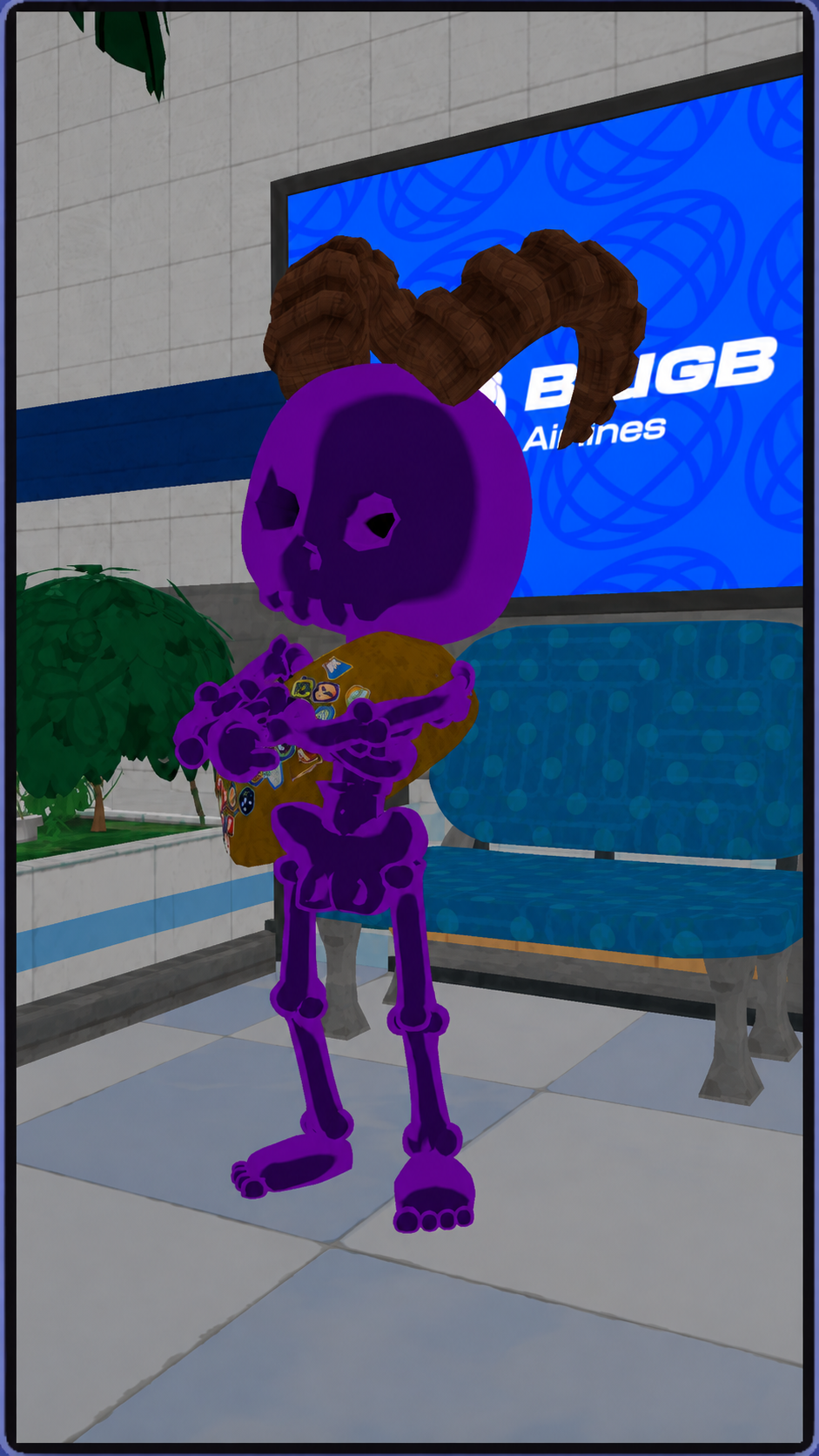
Poison turns the team's worst status effect into fuel. It can pull poison out of a living ally, relieving their suffering while charging itself with a burst of speed.
Stay too close and its toxic presence begins to spread. From time to time it also releases a poisonous spore explosion, making Poison equally good at rescuing an afflicted friend and ruining the day of everyone standing nearby.
Choose Poison when: your team keeps eating suspicious berries and needs someone willing to absorb the consequences.
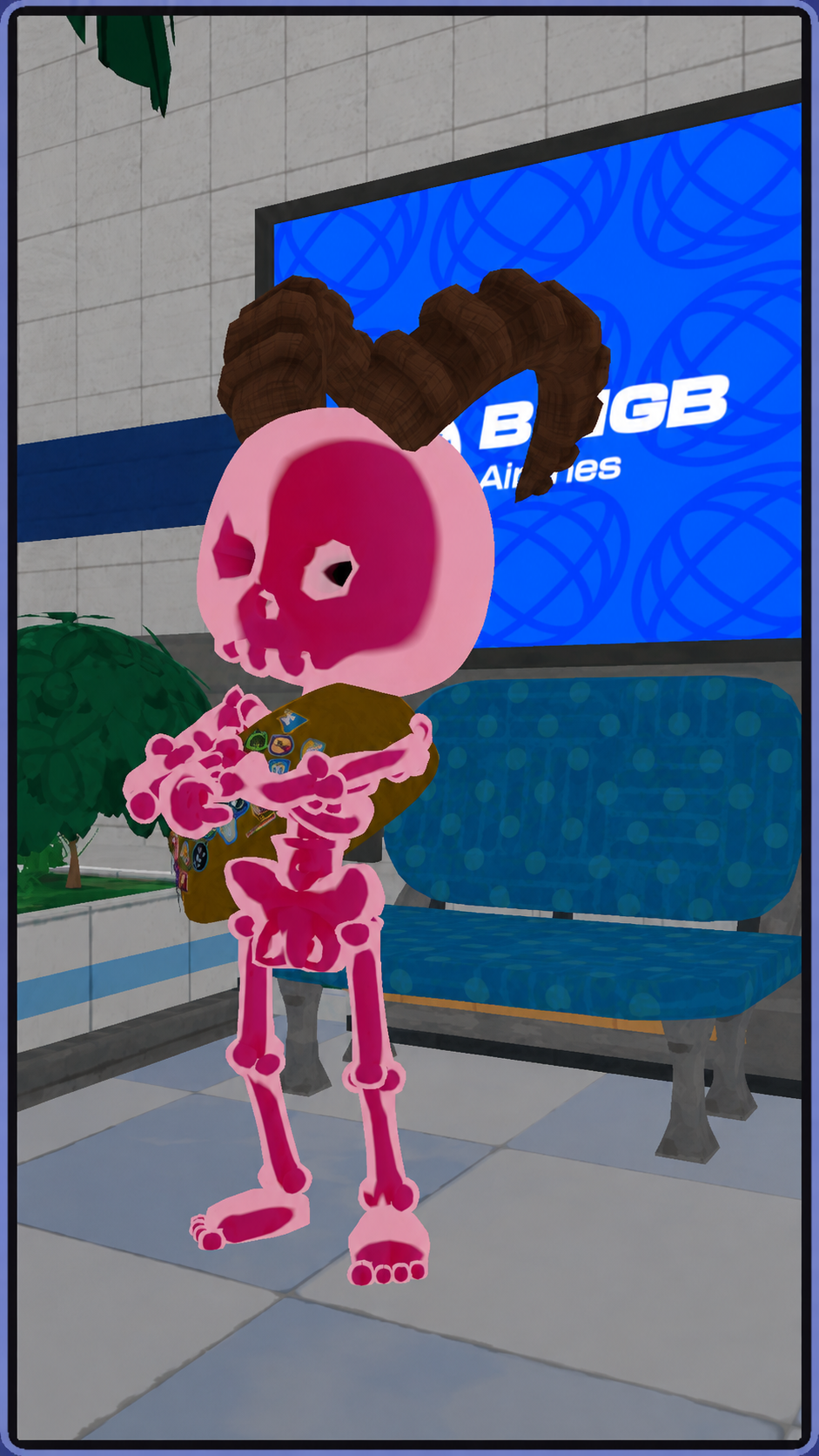
Sleep is slow, calm, and almost impossible to exhaust. The fog and Gloom retreat around it, turning this drowsy skeleton into a moving safe light for the entire group.
Its mood is contagious. Scouts who watch Sleep from nearby gradually become drowsy themselves, and the skeleton may occasionally collapse for a one-second nap in the middle of walking or running — because apparently even death does not fix a bad sleep schedule.
Choose Sleep when: your team needs a patient guide through fog, darkness and long climbs.
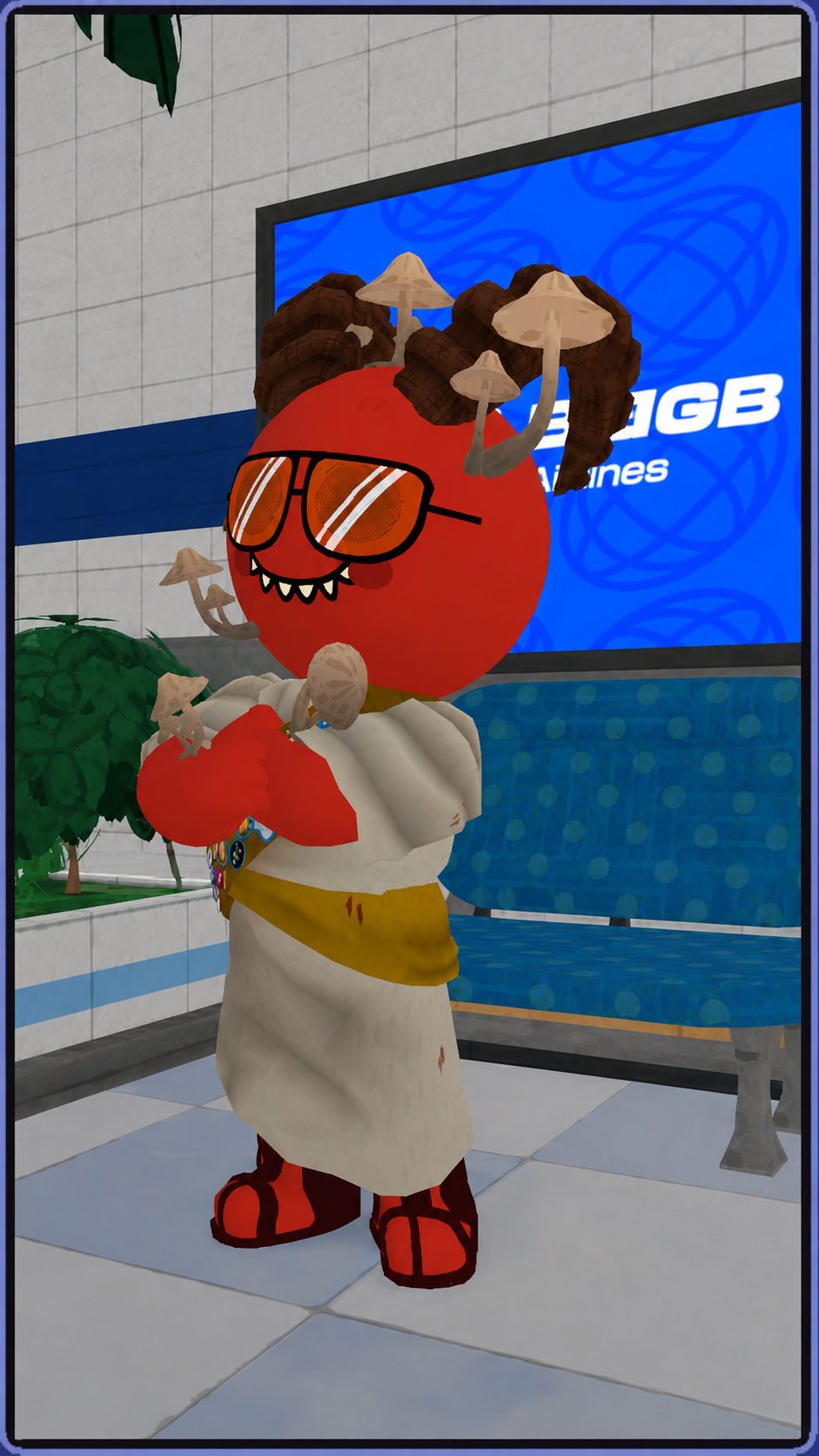
Spores is not quite a skeleton and not quite alive. It returns as a hungry zombie covered in mushrooms, begins every new existence craving a proper meal, and cannot satisfy that hunger with ordinary food.
There is only one thing on the menu: another living scout. Eating one clears the zombie's hunger, while its unstable body may also produce spore bombs and temporary shelf-fungus platforms for the team.
Anyone eaten by Spores — or by an ordinary living cannibal — returns as a Hunger skeleton if the run can continue. The food chain on this mountain is complicated.
Choose Spores when: you want a strange high-risk character with unique survival rules and mushroom-powered support.
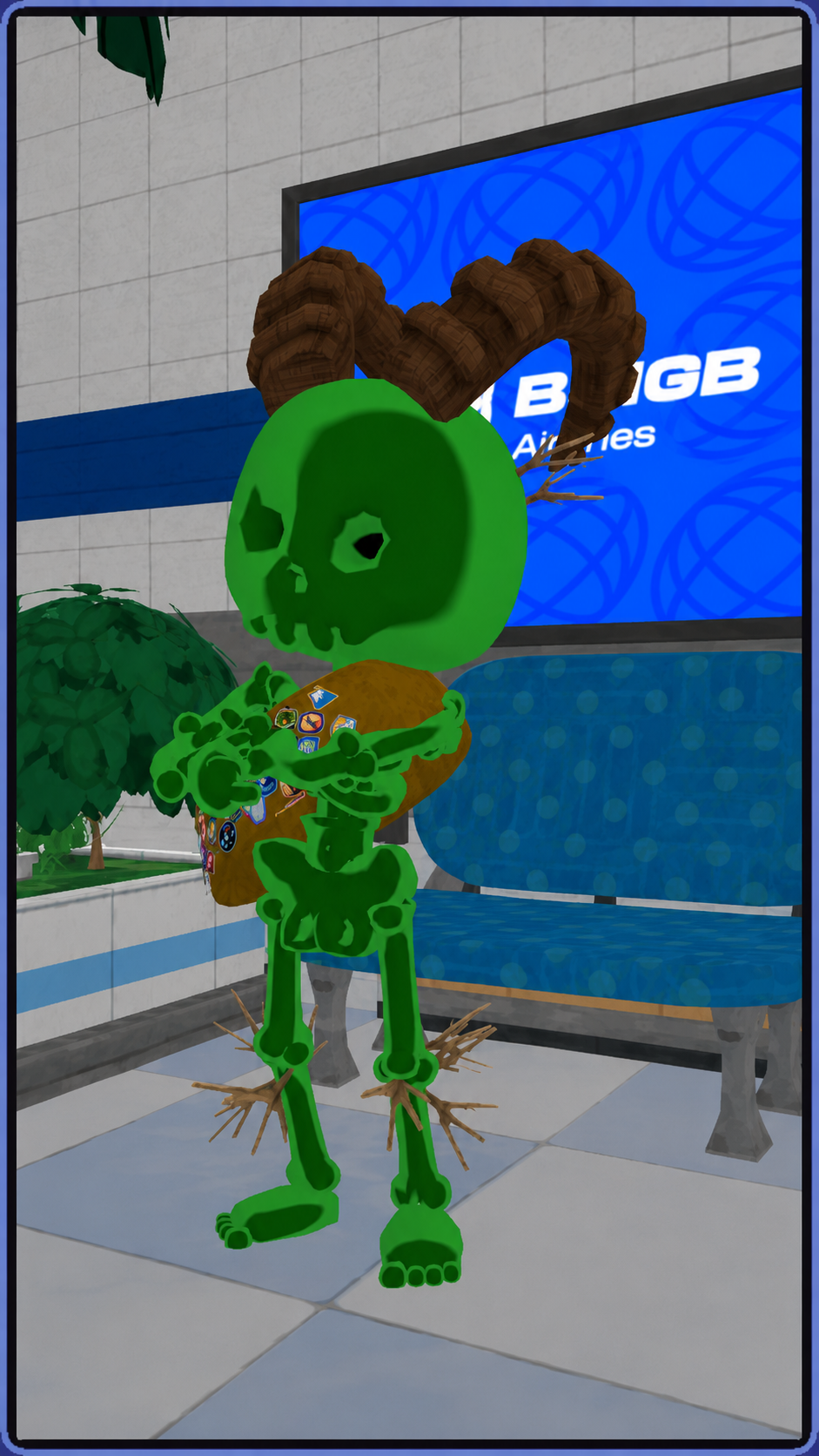
Cactus does not heal from a polite distance. It runs into a living scout, sticks to them with a thorn, and begins gradually cleaning away their negative effects while they remain attached.
It is awkward, prickly and extremely useful. A good Cactus player turns the worst status-filled disaster into a rescue scene — although the patient may leave with a few decorative thorns as a reminder.
Choose Cactus when: you want to become the team's mobile clinic and do not mind medicine being delivered by collision.
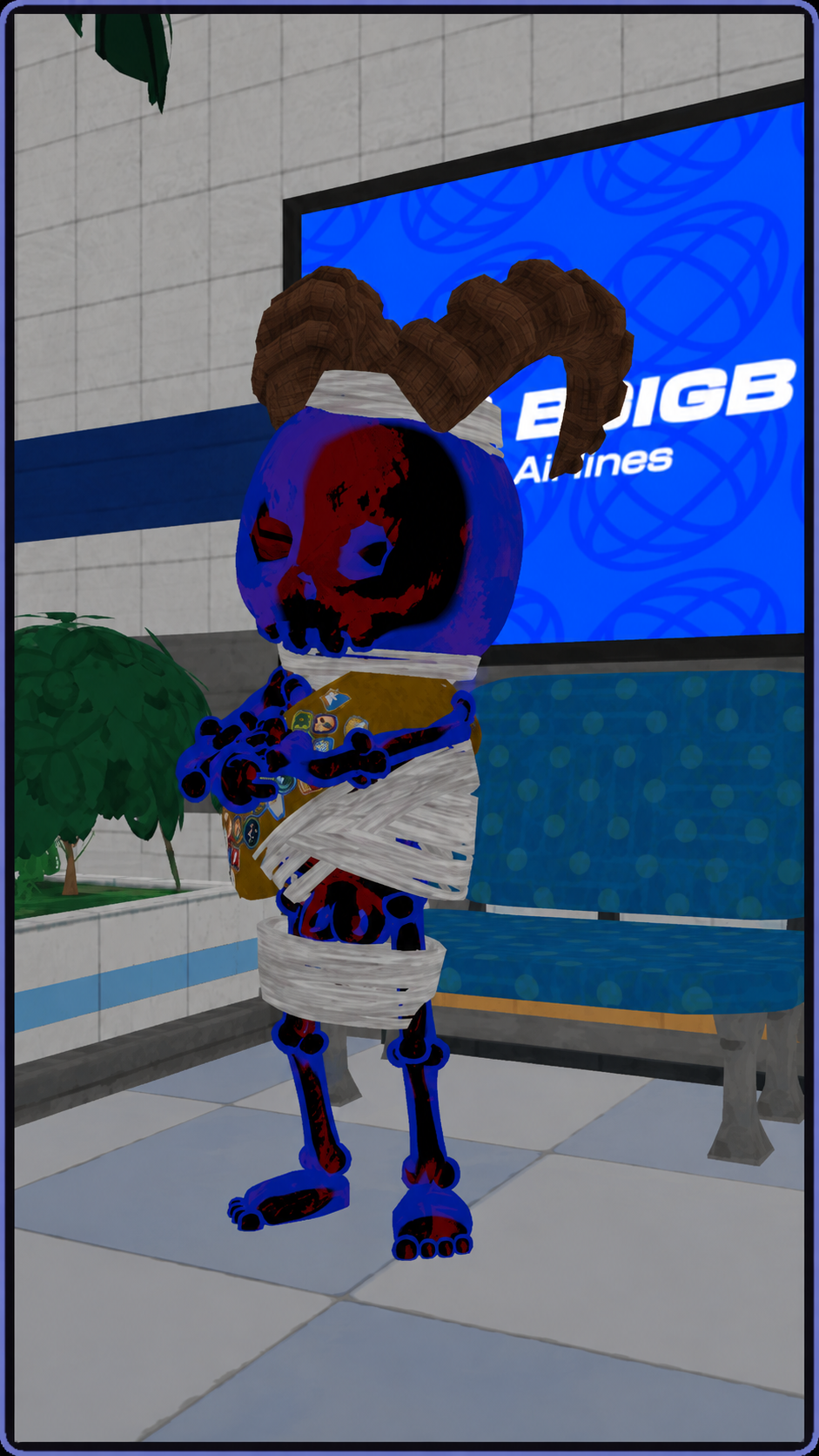
Web climbs like it was born on the wall, leaps farther than an ordinary scout, and may cover anyone it touches in sticky webbing. Decorative spiders crawl across its cocooned body, while its transformation arrives with its own spider-sense sound.
With empty hands, Web can aim and fire a web line. Shoot terrain to pull yourself toward it, or catch a scout or loose item and drag the target back to you. It can be a rescue tool, a traversal tool, or the start of an argument between friends.
Choose Web when: you have always looked at PEAK and thought it needed a little more Spider-Man.
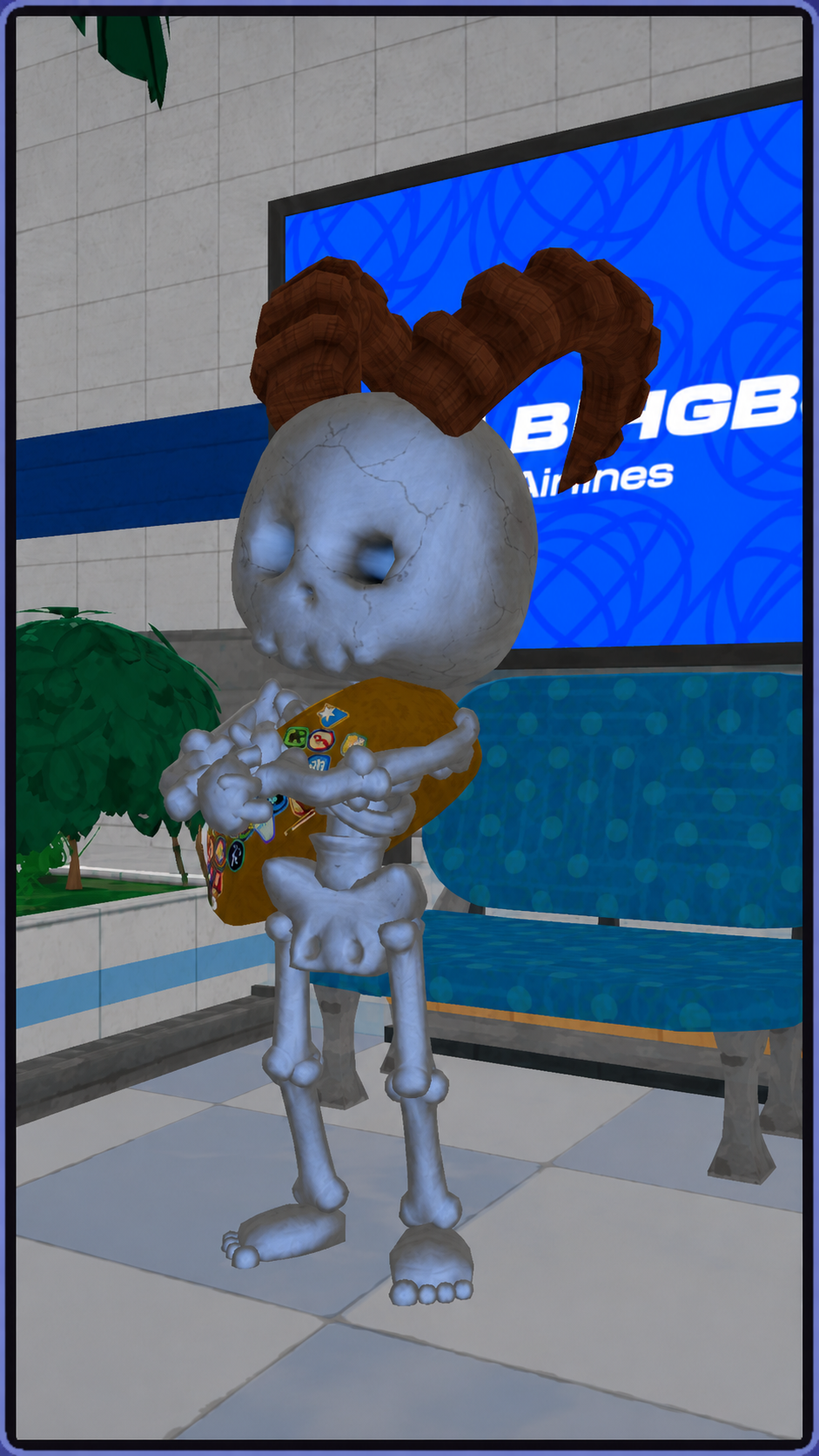
Stone is slow, heavy and wonderfully stubborn. Wind, impacts, explosions and long falls struggle to move it, making this skeleton a reliable anchor when everything else is going wrong.
While climbing, Stone can lock itself firmly to a wall and rest there. Its planted feet become usable grips for other scouts, turning the skeleton itself into part of the route.
Choose Stone when: the team needs one person who absolutely refuses to fall.
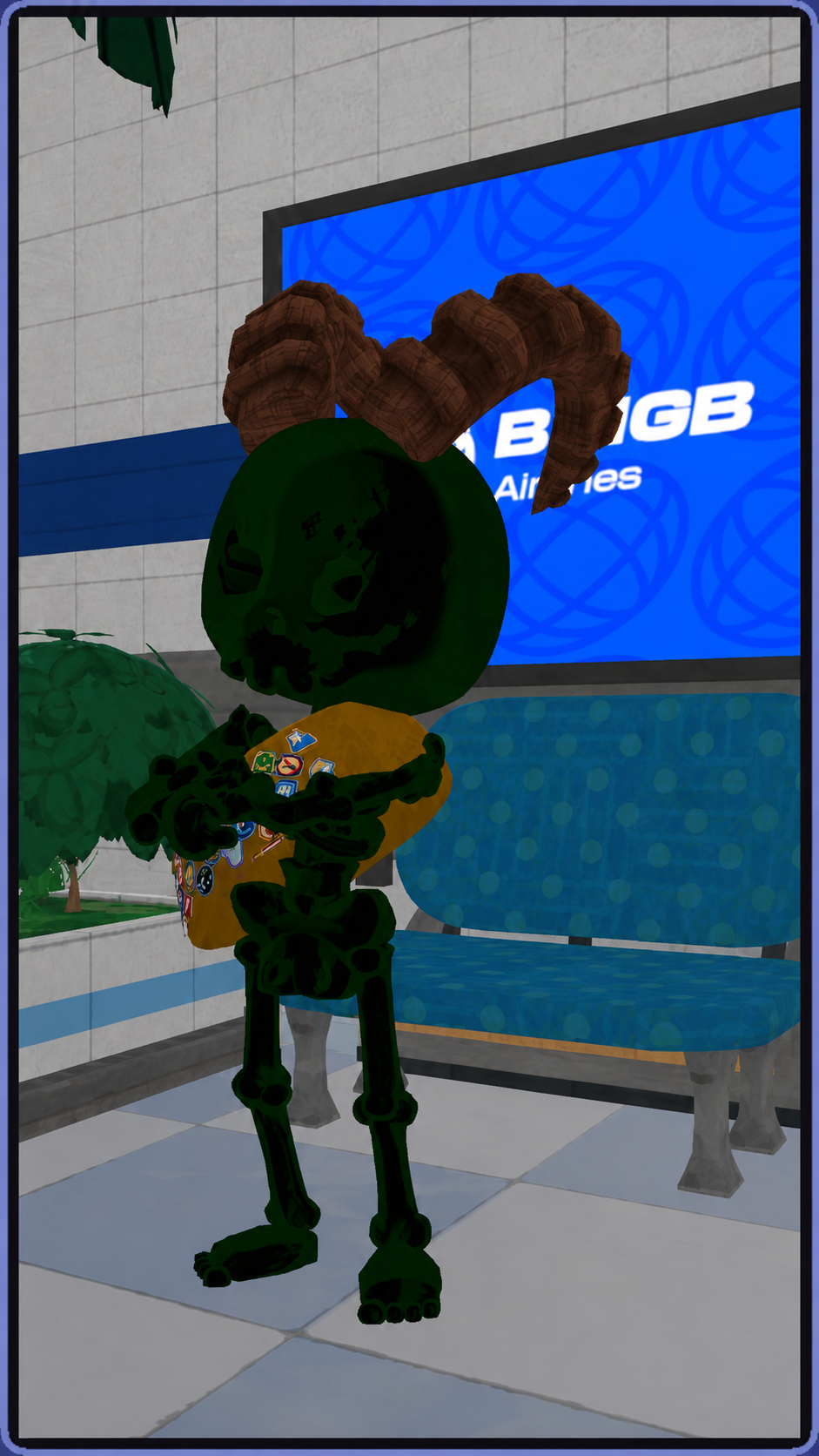
Fly Trap comes alive when visibility disappears. It races through fog and Gloom, launches itself with enormous jumps, and ignores the usual misery of trying to jump out of water.
Crouch and let a friend jump from your back to send them flying far higher than a normal pal jump. Its occasional explosive spore bomb makes every landing slightly more exciting than planned.
Choose Fly Trap when: you want huge movement, heroic teammate launches and a healthy disregard for gravity.
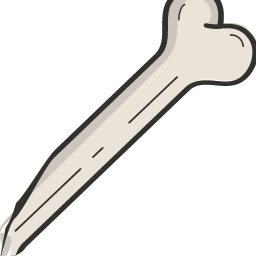
Trauma's Bone is a real multiplayer item that can be carried, pocketed, thrown and shared.
- A skeleton can consume it to patch up an injury.
- It can be placed manually as a climbing anchor.
- A strong, direct throw can stick it into a suitable surface.
- It cracks under real load, tilts as it weakens, and eventually breaks after too much use.
It may save the expedition. It may snap at exactly the funniest possible moment. That is between you and the mountain.
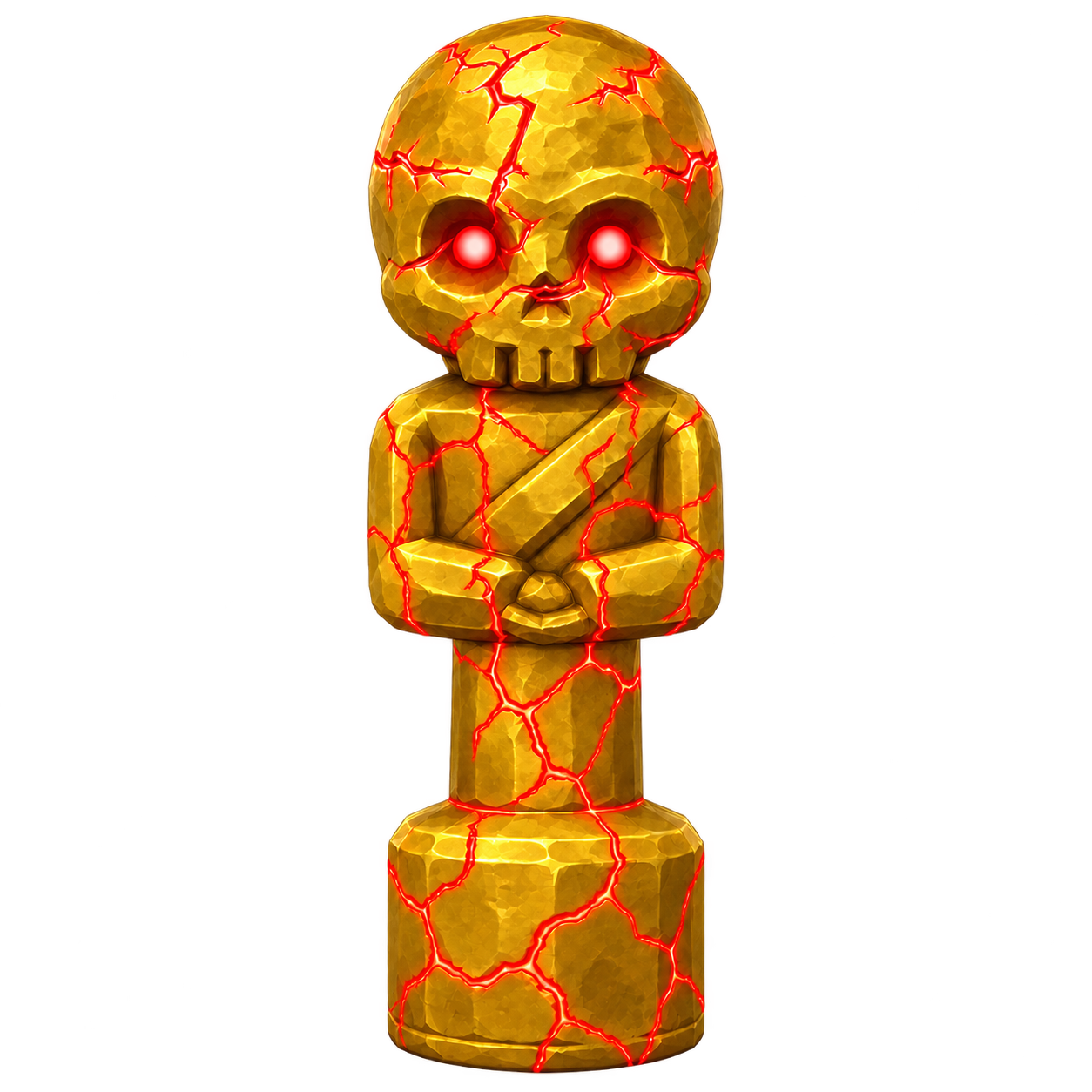
Ordinary luggage can now contain a Golden skeleton: the chance is 15% in a brown case, 25% in a white case and 35% in an orange case. Hold it, choose a form, and the figurine is consumed only after the host confirms a successful transformation. Closing the menu—or choosing the form you already wear—does not waste it.
The portable idol is a clean, polished golden skeleton. In Arcade, its much larger and older sibling waits beside campfires: the same figure, weathered with turquoise patina in its worn cracks, remains the permanent in-world place to choose a form.
In Arcade, the idol is a precious extra form change that works even when the host has disabled quick selection through the personal menu. In Standard, it is much more dangerous: a living scout who accepts a form truly dies and returns as that support skeleton. If no other living scout remains, that decision ends the expedition under the normal Standard rules. A support skeleton that already died may instead spend the idol to change its form in place.
The idol can appear in brown, white and orange ordinary luggage, but never in Ancient, Cursed, Clown or resurrection chests. Better cases offer better odds—decide carefully who gets to carry the prize.
This is the intended Second Ascent experience. Forms only come from a real death, and the cause of that death decides what returns. Skeletons remain logically dead for PEAK's resurrection and end-of-run rules, even while they continue helping the team.
If a skeleton no longer wants to continue in that form, it can hold its personal Become Ghost key for five seconds and enter PEAK's ordinary spectator-cloud state.
Arcade mode lets living scouts wear skeleton forms without dying. Use a skeleton statue beside a campfire to choose a form, or allow quick selection from the form menu anywhere on the mountain.
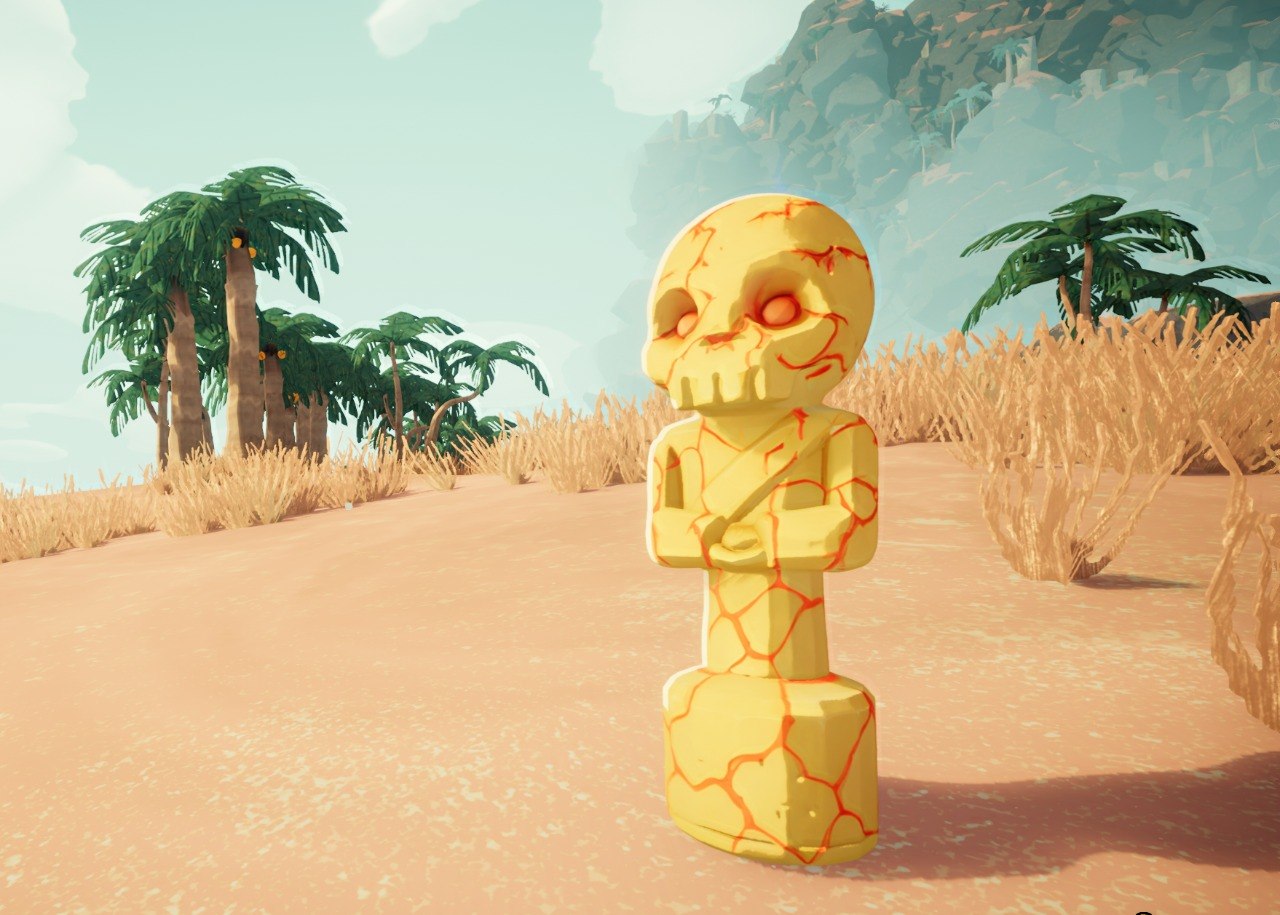
The host can decide whether forms may be changed from the quick menu and whether manual effect keys are available. A statue always remains the proper in-world place to change form, even when quick selection is disabled.
Arcade forms are living costumes: they can finish the expedition normally. Resurrection statues and Scout Effigies may also return one of these forms to an ordinary living scout, without treating the form as a real death.
Second Ascent does not replace PEAK's revival loop.
- A resurrection statue revives every actually dead support skeleton at the statue, following the game's normal group-revival behaviour.
- A Scout Effigy can revive one eligible skeleton using the normal single-target idea.
- Inventory and backpack handling are preserved through the mod's revival flow.
- A player joining an expedition late still becomes PEAK's normal spectator ghost rather than appearing as a skeleton outside the map.
Default personal controls:
F7— open Second Ascent settings.N— open skeleton form selection.Z— trigger the first manual effect of the active form.X— trigger the second manual effect when that form has one.- Hold
Pfor five seconds — become a vanilla spectator ghost as a real skeleton in Standard mode. Esc— close either mod window or cancel key assignment.
Every one of these keys can be changed inside the mod settings.
Only the host edits shared gameplay rules. Guests still see those rules, but disabled controls are clearly greyed out. Every player — host or guest — can always edit their own personal keys.
Automatic random events continue to work when manual effect keys are disabled. Manual effects also include protection against repeated key spam while the current effect is already playing.
Second Ascent is a synchronized multiplayer mod. For a stable expedition:
- Every player in the lobby must install the same version.
- The skeleton-death feature does not activate in a one-player room.
- The final living scout still follows PEAK's normal run-ending rules.
- Host settings are synchronized to current players and late joiners.
- Form visuals, transformations, items, random effects and revival state are synchronized across the lobby.
Second Ascent is incompatible with the obsolete ringtail_mods-SupportSkeletons / com.github.BDSayers.SupportSkeletons mod. Remove the old mod before launching this one.
If Second Ascent has made your PEAK adventures more memorable, you can support its continued development, multiplayer testing and future skeleton ideas.
Every coffee helps. Thank you for climbing with us — twice.
- Install Thunderstore Mod Manager or r2modman.
- Select PEAK as the game.
- Find Second Ascent and choose Install with dependencies.
- Make sure BepInExPack for PEAK is enabled in the profile. Second Ascent requires BepInEx to load.
- Launch the game through the mod manager.
- Every friend joining the lobby must install the same Second Ascent version and BepInEx dependency.
-
Download and install BepInExPack for PEAK. BepInEx is required; the DLL cannot run without it.
-
Launch PEAK once through BepInEx, then close the game.
-
Open your PEAK installation folder. For a normal Steam installation it is usually:
...\Steam\steamapps\common\PEAK -
Create this folder if it does not already exist:
PEAK\BepInEx\plugins\DarkSpider-SecondAscent -
Copy
SecondAscent.dllfrom the downloaded archive into that folder. -
Remove the old SupportSkeletons plugin if it is installed.
-
Repeat the installation for every player in the lobby.
-
Start PEAK normally. BepInEx will load Second Ascent automatically.