
PS5PCEM 0.3.3
Changes since 0.3.2: three additional titles reach in-game scenes,
Subnautica: Below Zero can create and restore a world, GTA III reaches driving,
Little Nightmares reaches character control and save/reload, and Big Helmet
Heroes advances into its tutorial. This release also includes the accumulated
renderer, synchronization, memory, shader-cache and package-extraction work
from September 25 through October 5, 2026.
PS5PCEM remains experimental. The measurements below are dated development
checks included in this release's source history, not fresh benchmarks of every
title on the final packaged executable. All reported FPS comes from the
development host, a Ryzen 7 7700 / GeForce RTX 3070 Ti 8 GiB. A visible scene or
working save does not establish a complete playthrough.
Newly demonstrated games
| Title | Verified milestone | Measured performance and limits |
|---|---|---|
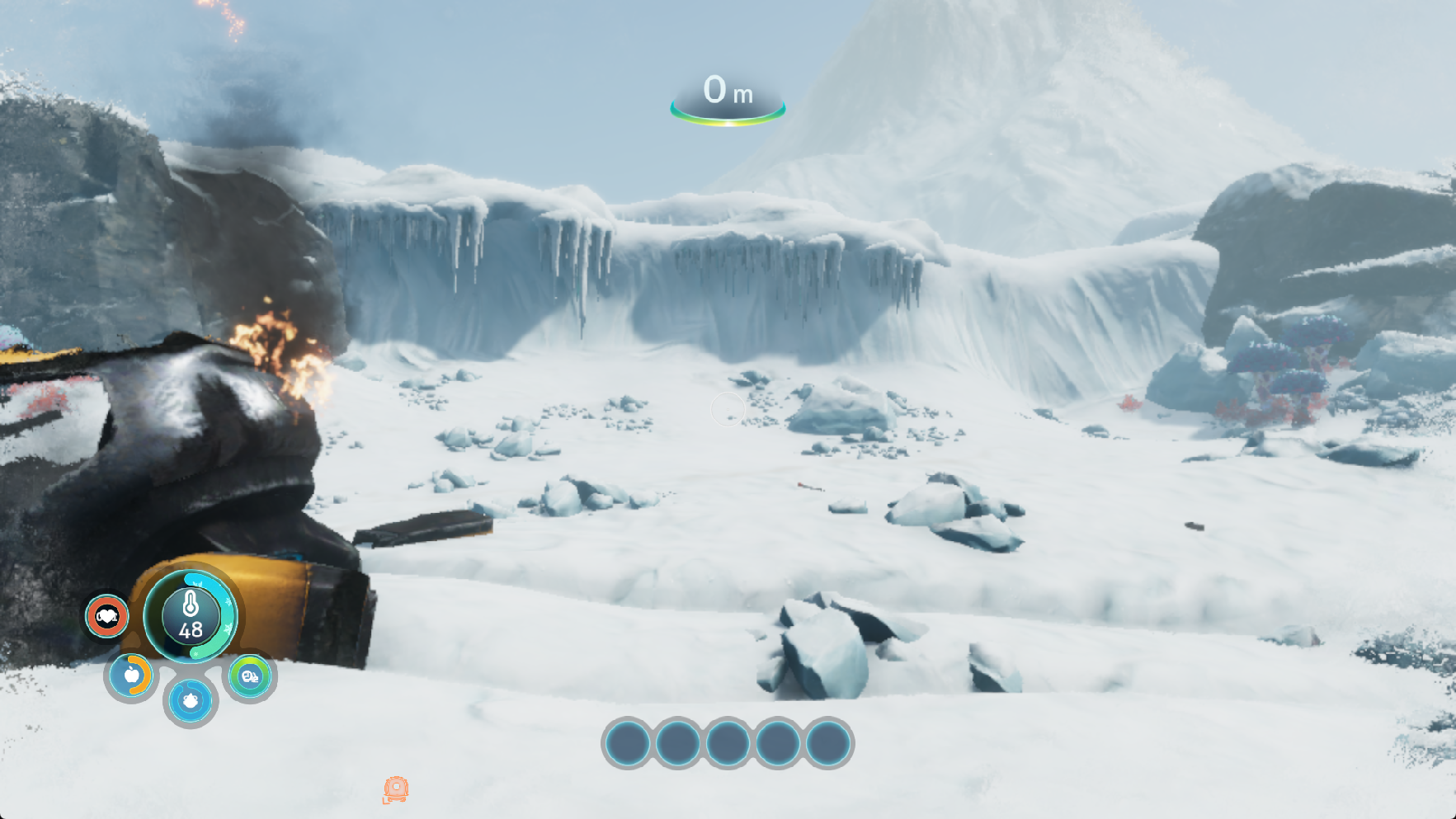
| Subnautica: Below Zero — PPSA02457 v1.022.125 | New Game, world rendering, movement, normal Save and restoration in a fresh process. The maintainer's compatibility grade is Playable · Completable; the documented development checks do not independently validate a full playthrough. | October 3 repeat: 15.50 FPS in the menu; 12.70 / 8.50 FPS in two stationary world samples, 10.60 FPS combined. The same executable previously averaged 9.52 FPS with a ten-second stall. Lighting defects, shorter delays and long-session stability remain open; 30 FPS is not reached. |
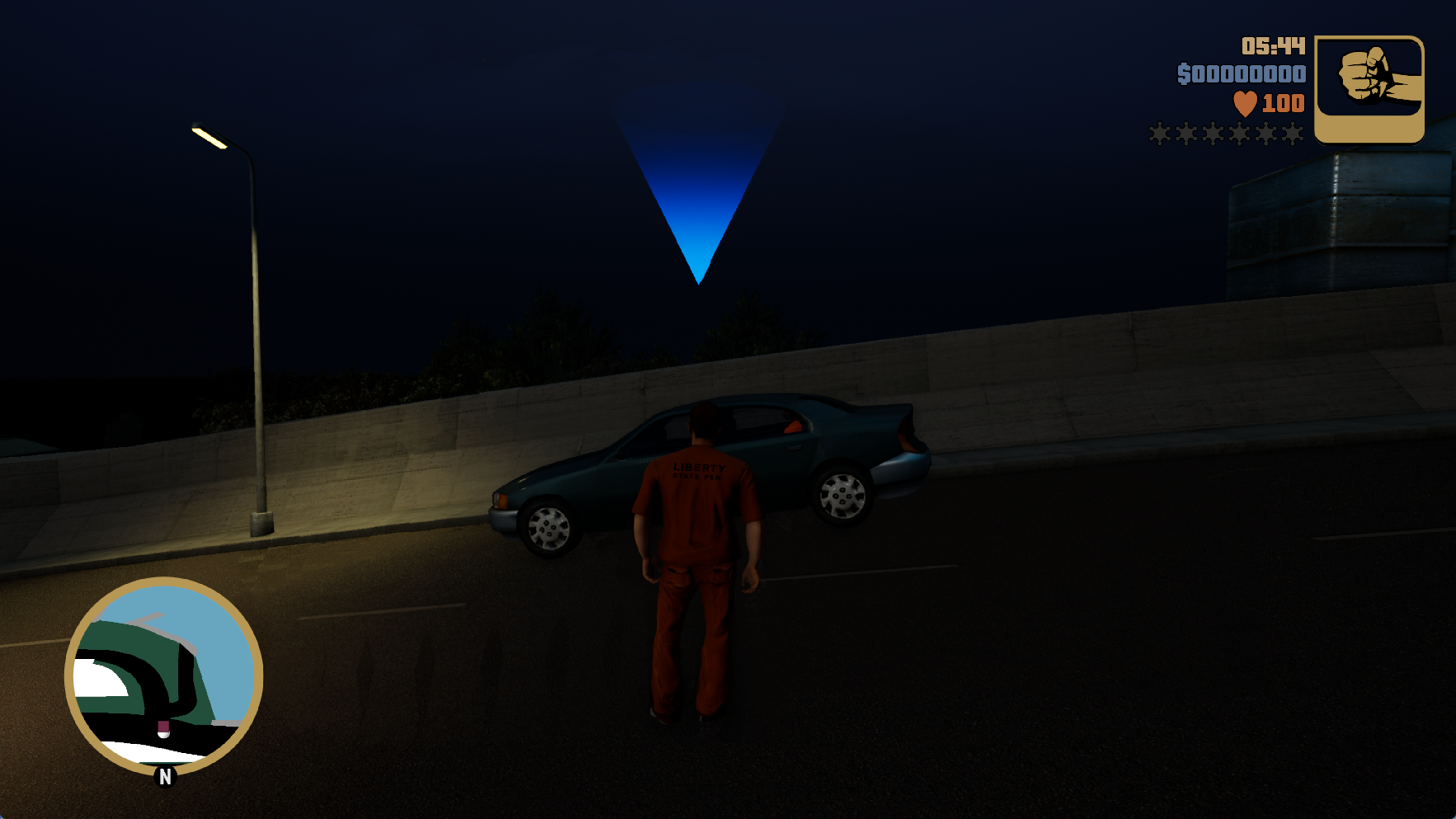
| Grand Theft Auto III: The Definitive Edition — PPSA03527 v1.007 | Package extraction, startup, New Game and Give Me Liberty. Walking, entering the car and a short drive are verified. | Two opening-position samples: 8.10 / 8.97 FPS, 8.53 combined. Seated in the car: 7.20 FPS; wider city view: 3.57 FPS. Performance mode, Bloom/Motion Blur off, Classic Lighting on. Lighting/shadow defects remain; this is not an 8 FPS gameplay minimum. Completion, reliable startup, saves and audio correctness are unverified. |
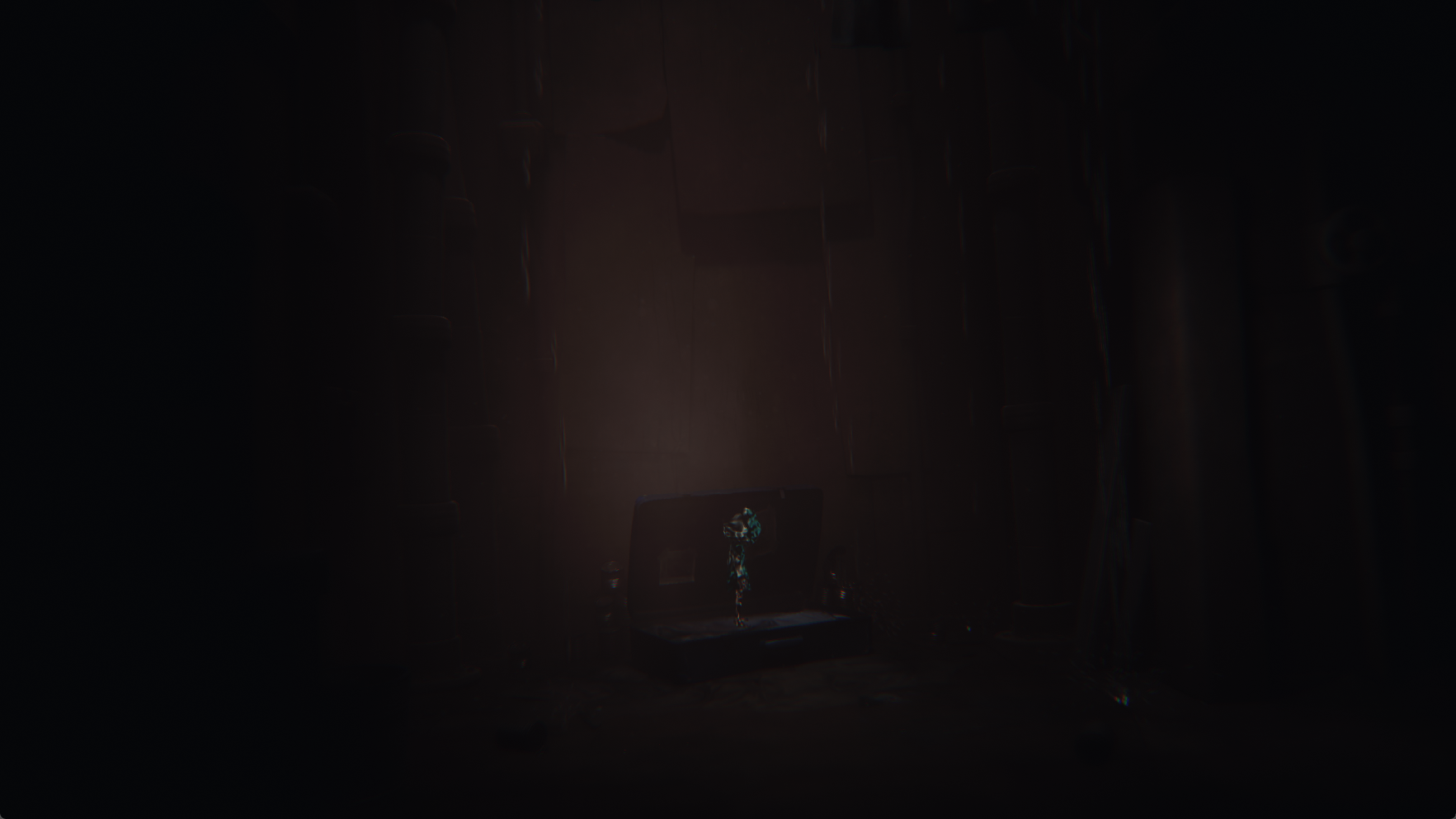
| Little Nightmares Enhanced Edition — PPSA10737 v01.004.000 | Startup, story/save-slot selection, movement, camera follow and lighter input in the opening room. Nonempty saves restore the room in fresh processes. | 4.46 FPS beside the suitcase and 3.73 FPS after moving right, each over 30 unpaused seconds, in Performance mode. Dark lighting, reflective materials, unsupported shaders/resource gaps and intermittent allocator failures remain. 5 FPS is not reached; completion is unverified. |
Output is requested at 1920×1080. Internal rendering remains game-controlled
and may use larger targets. See the detailed reports for settings and measurement
methods:
Subnautica repeat,
GTA III rendering,
Little Nightmares saves and performance.
Screenshots of the new in-game milestones
These are unedited captures from the dated development runs. Remaining defects
are visible; the images are not promises of corrected lighting or stable FPS.
Subnautica: Below Zero — snowy crash site and HUD, October 3.
GTA III — player and car at Callahan Bridge after the color/reflection fixes.
Little Nightmares — Six beside the suitcase; lighting and material defects remain.
Progress in previously demonstrated games
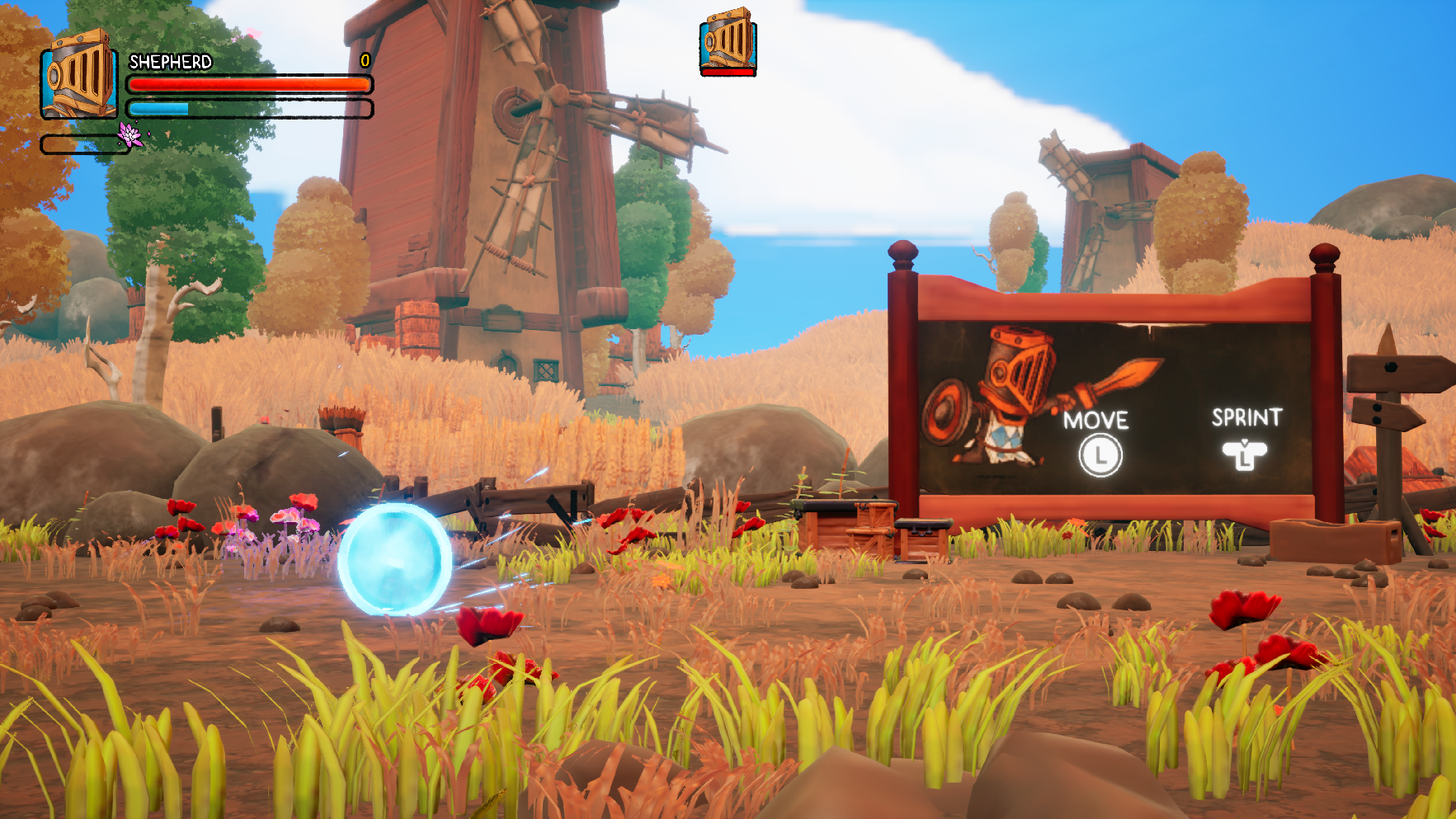
- Big Helmet Heroes advances beyond the main menu into its tutorial.
GPU-watched file reads, interrupted save mounts and command-header handling
are corrected. The latest matched September 29 samples measure 6.37 FPS
in the menu and 3.70 FPS in the tutorial. Individual buffer-pool,
page-watch and scalar-history changes reduce specific costs but do not all
establish a repeatable FPS gain. Visual artifacts and startup/stability
issues remain; full playability and 30 FPS are unverified. - Quake II retains its maintainer-confirmed playable/completable grade.
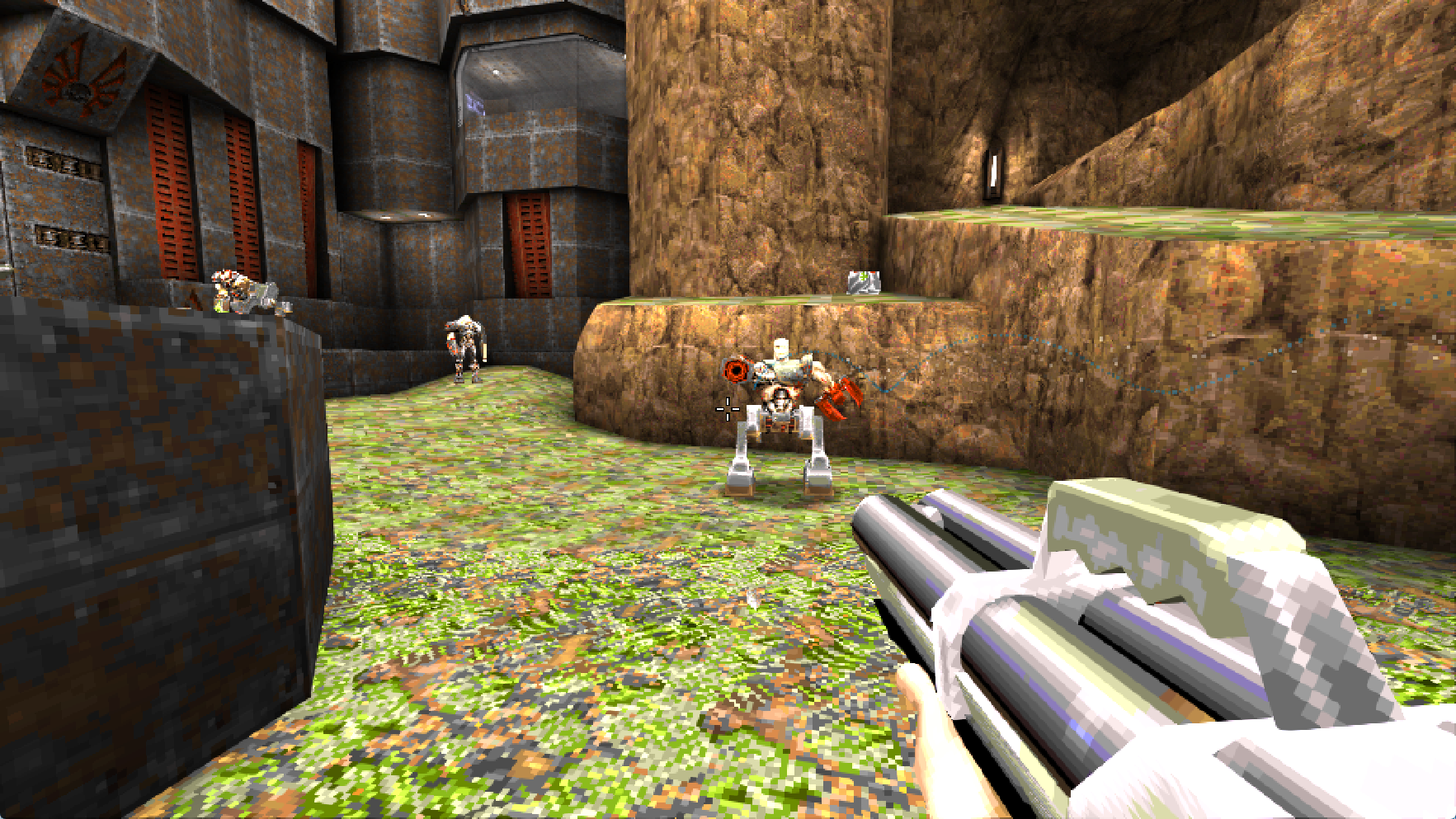
Observed gameplay has level lighting, textures, weapons and visible NPCs.
Draw reuse, command batching, direct-memory queries, buffer retention and
GPU clears reduce overhead. The maintainer reports 60–70 FPS peaks in
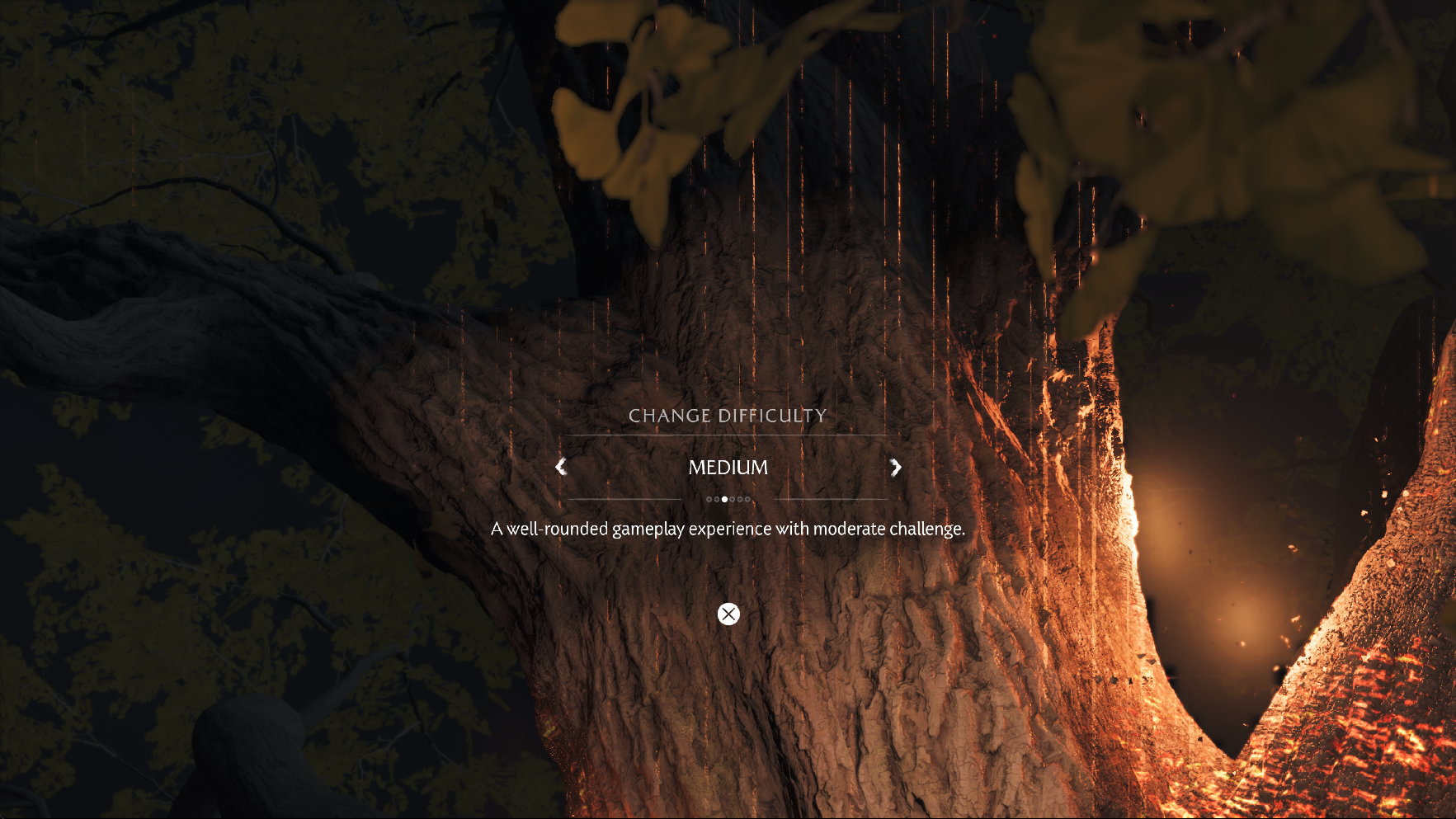
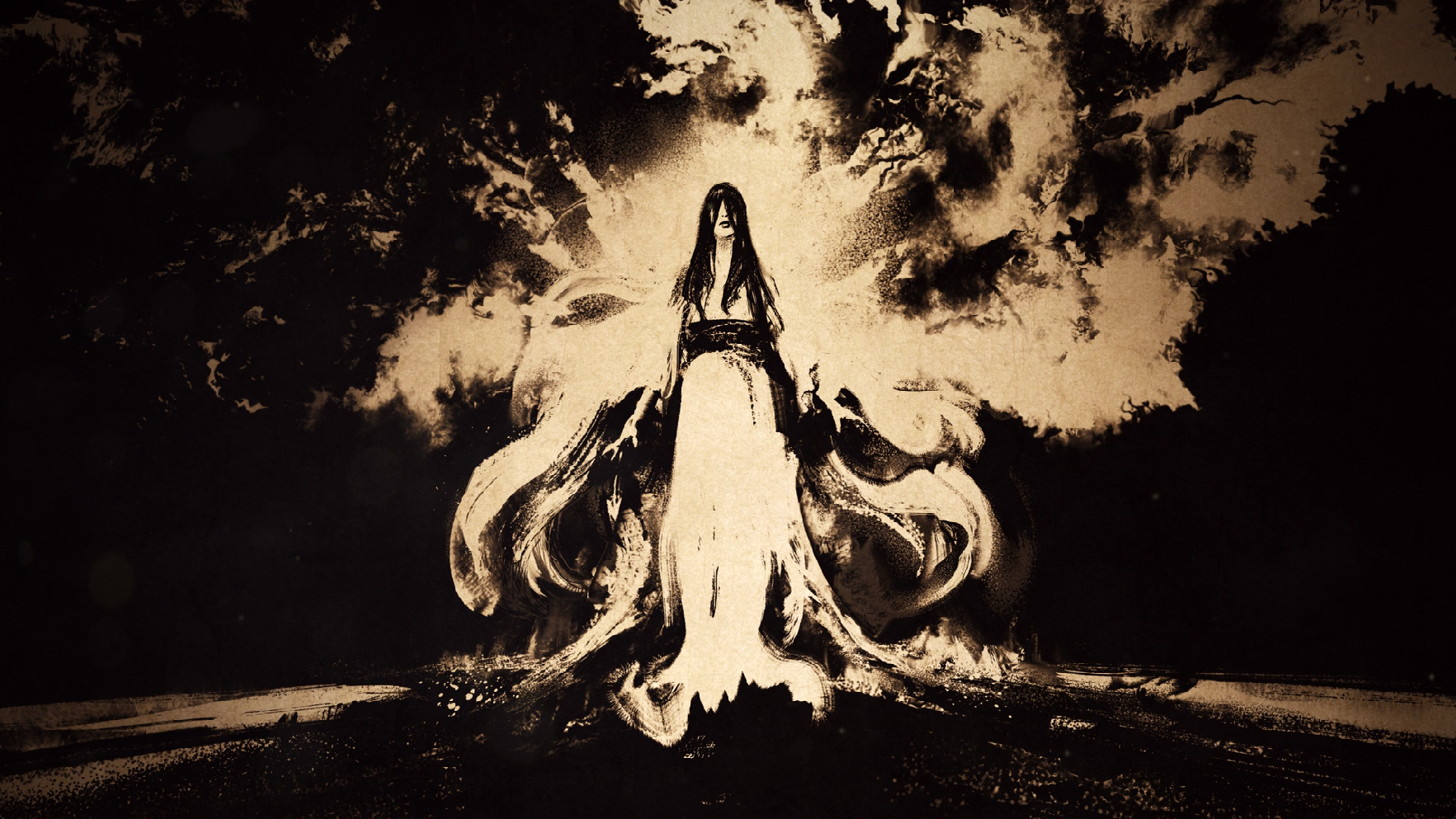
lighter scenes; these are not a stable minimum or a new release benchmark. - Ghost of Yōtei reaches the tree, a later 3D cinematic and, in an earlier
October 4 run, the illustrated movie after it. The latest tree repeat is
1.231 FPS. A later unpaused cinematic interval presents only two frames
in 30.045 seconds (0.0666 FPS). Character control remains unconfirmed.
Tree streaks, dark lighting, incomplete character surfaces and memory
pressure remain unresolved. - Earlier confirmed grades for Terminator 2D: No Fate, Jets 'n' Guns 2,
Asterix & Obelix: Slap Them All!, Cat Quest III, Dreaming Sarah,
Jurassic Park Classic Games Collection and Rita's Rewind are retained.
This release does not claim new playthrough checks for them. Tetris Effect,
The Precinct, REANIMAL and the VR titles retain their documented limits.
Big Helmet Heroes — tutorial scene, September 29.
Quake II — lit gameplay with enemies and the player's weapon.
Ghost of Yōtei — tree scene; streaks and other rendering defects remain.
Ghost of Yōtei — illustrated movie reached in the October 4 run.
Ghost of Yōtei — responsive pause overlay over the incomplete 3D cinematic,
October 5. This is not a character-control screenshot.
Why Yōtei can take minutes to draw a transition
One measured transition frame takes 197.573 seconds: graphics pipeline
creation consumes 41.936 seconds and compute pipeline creation 135.167 seconds,
about 90% of the frame. The next frame still spends 65.400 seconds creating
compute pipelines. These first-use costs are separate from steady gameplay FPS.
Later sampled frames also upload 1.4–2.6 GiB of textures and evict roughly
4,800–5,200 sampled images per frame. Resource preparation, copies and waits
remain expensive. A captured draw uses 3328×1872 internal targets despite
1080p output. Its active packed 11/11/10 UNORM blending is still unsupported.
The new shared shader-key storage removes redundant canonical program copies;
one captured inventory contains approximately 200 MiB of such duplication.
Large Windows driver-cache snapshots now use mapped temporary files. An isolated
256 MiB snapshot test reduces additional private memory by approximately
256 MiB and produces identical files. These memory results do not establish
a new game FPS improvement.
Post-tree timing and memory report
Rendering and shader changes
- Preserve colors during depth-only draws, correct sRGB attachment encoding,
and retain color mip identities, array slices and cube-face publication.
Complete resident mip chains and color-grading volumes can stay on the GPU
instead of being read back, tiled on the CPU and uploaded again. - Preserve NGG LDS position and parameter exports used by GTA III geometry.
Correct bounded fragment loops used by reflection filtering and selected
scalar-buffer descriptor/resource paths. - Respect
CB_SHADER_MASK, route compact pixel exports across attachment
gaps, and retain pixels in disabled packed targets. Active unsupported
packed blending still reports an error rather than silently dropping it. - Preserve packed 11-bit normalized color and storage-image data, improve
HTILE handling and avoid invalidating sampled textures merely because a
storage binding is read-only. - Recover checked material pointers, scalar-buffer descriptor tables and
null-image resources. Keep address bounds and memory checks when resolving
indirect fragment reads; reuse valid translations after texture relocation. - Share immutable shader analysis, scalar-memory headers and canonical
translation-key prefixes. Release unused diagnostic IR, reduce duplicated
FLAT loads and keep runtime resource choices out of invariant pipeline keys
where supported. Unsupported shader operations remain explicit failures.
Frame preparation, transfers and synchronization
- Record draw batches in one command buffer and reuse unchanged draws only
after resource, scalar, image and storage validation. Reuse compatible
dynamic viewport, scissor, depth and stencil state. - Add bounded adaptive CPU resource workers; reserve foreground compiler
capacity during warmup and replace cold entries in bounded warmup catalogs. - Reduce repeated scalar walks, checkpoint scans, register/history copies,
descriptor-array reconstruction and storage-descriptor updates. Reuse index
staging and submission allocations, and copy contiguous tiled pixels in
wider runs. - Index overlapping buffers and cache recency, retain completed Vulkan buffer
allocations, batch native page protection changes and skip storage-image
rehashing only when tracked guest bytes are unchanged. - Preserve newer overlapping GPU writes, partial-write backing contents,
command writes and exact publication spans. Reject delayed output after a
guest mapping has been replaced; hold mappings while copying/hashing inputs. - Batch readbacks at shared completion points and defer releases until their
real GPU completion. Credit rendering time when pacing flips. Correct
compute-ring doorbell consumption, wraparound and read-pointer advancement
used by Little Nightmares' native AGC driver. - Report driver-cache save failures, retain the preceding complete file on
failure and write large Windows snapshots through temporary file mappings.
Detailed timing and resource counters distinguish compilation, staging,
cache churn and GPU waits.
Startup, saves, extraction and launcher
- Resolve GTA III's observed
libSceAmprimports and preserve completion-call
arguments. Add the AGC Trinity-capability import and IPMI bootstrap services
needed during Little Nightmares startup. - Preserve file identities, writable temporary save staging and guest roots
across HLE waits. Correct POSIX/asynchronous/positional save writes,
truncation and save metadata. Restore Windows stack bounds across firmware
calls and guest escapes; preflight native unmaps and retain safe access
checks after failure. - Fix NAPS layouts with odd outer counts, sparse regions and block-table
alignment. The GTA III package now extracts its inner application payload
instead of stopping aftersce_syswithInvalidPfs. - Show PKG extraction progress and logs in the launcher. Keep 1080p as the
standard output request, apply supported Unity display startup settings
virtually without modifying the installed document, and expose system game
performance preferences to titles that read them. Internal render targets
can still be larger. Keyboard input now respects window focus. - Update the launcher, Windows version resources and package metadata to
0.3.3. Portable and installer packages includeps5pcem.exe,
game-run.exe,pkgextractor.exe, documentation and screenshots.
Release validation
The Windows applications are built with Zig 0.16.0 / ReleaseFast, using the
portable x86-64-v3 CPU baseline. The complete ReleaseSafe unit run passes
1,511 of 1,522 tests, with one skipped and ten failed. The GPU command
suite passes 257/257, Vulkan 229/229, HLE 559/559, memory 31/31
and CPU 50/50. An outdated packed-UNORM test expectation found during the
release check was corrected; the implemented format and emitted rendering code
are unchanged.
The ten remaining failures are in SPIR-V tests, and that suite also reports
one allocation leak. Running the shader tests directly from the 0.3.2 tag
reproduces the same ten failing test names and one reported leak. The full
suite is not green; these known failures are not hidden.
The latest cache changes pass 21 focused tests. Three native Vulkan probes
cover large indirect-image tables, packed UNORM targets and sparse pointer-based
fragment resources with Khronos synchronization validation, without validation
errors. Earlier individual rendering probes and live runs are recorded in the
linked reports. No game runs alongside the release builds or unit tests.
All three application builds succeed (14/14 build steps). The runner and
extractor start and report their documented CLI usage; launcher and runner
Windows version resources identify 0.3.3.
Requirements and remaining limits
Windows 10 version 2004 or newer, an x86-64-v3 CPU (AVX2, BMI2, FMA) and a
current Vulkan 1.2 graphics driver. AVX-512 is not required. Games, firmware,
keys, game saves, driver caches and console system libraries are not included.
The applications and installer use SHA-256 Authenticode signatures and
timestamps with the existing Artur Strazewicz / PS5PCEM certificate. It is
self-signed; Windows trust/SmartScreen behavior is unchanged. Download hashes
are provided in SHA256SUMS.txt.
Rendering coverage, first-use compilation, memory use and long-session stability
remain incomplete. Check the
compatibility table
for each game's exact milestone and limitations.