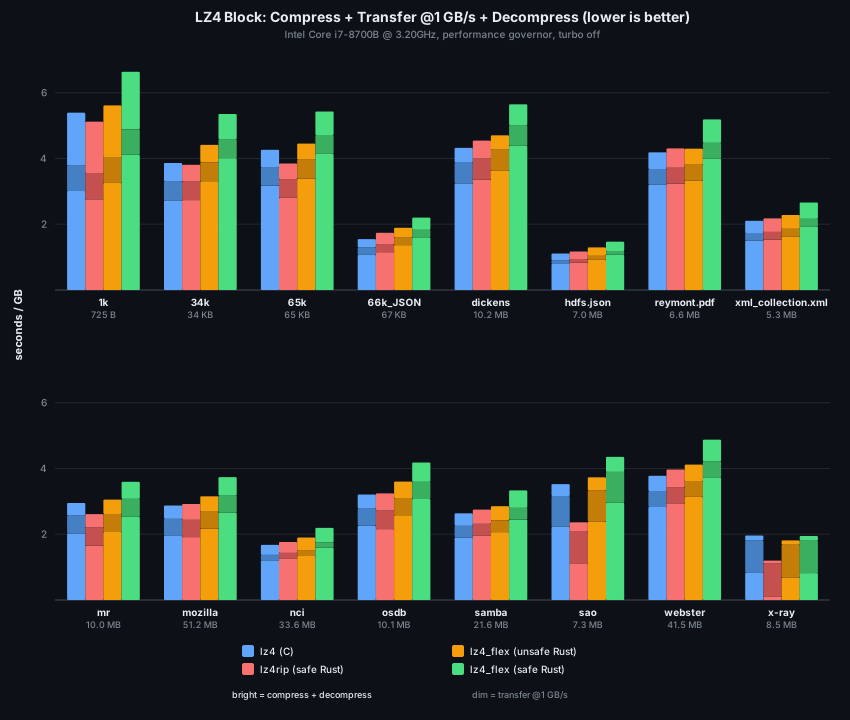
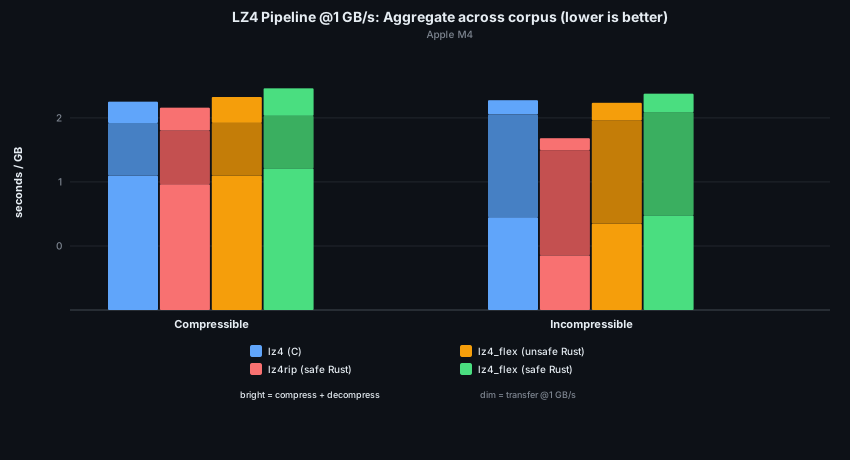
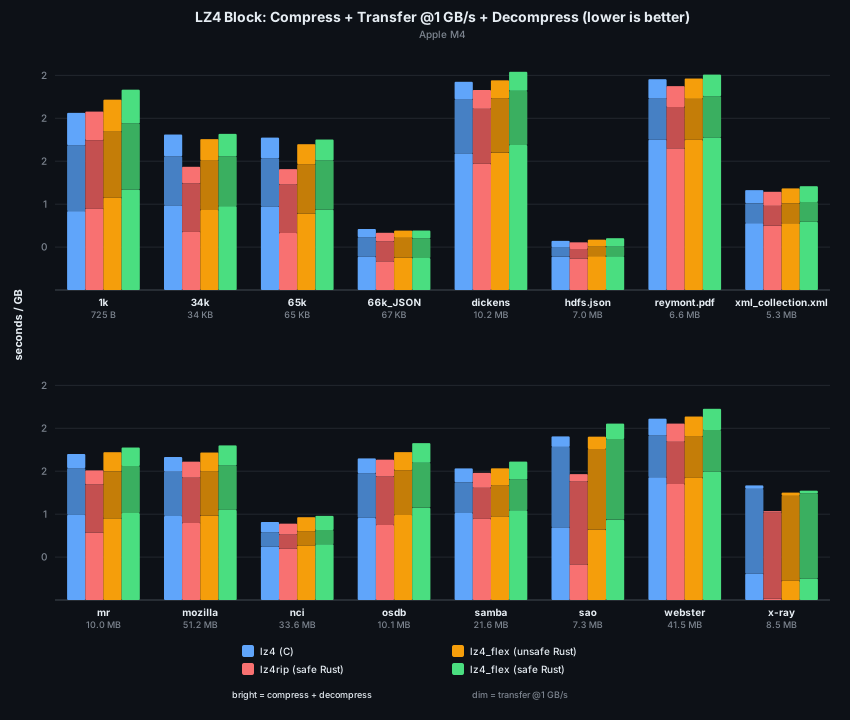
Rust LZ4 compression. 5-8% faster than C lz4 end-to-end (compress + 1 GB/s transfer + decompress, geomean across 16 corpus files). Originally derived from lz4_flex.
lz4rip = "0.2"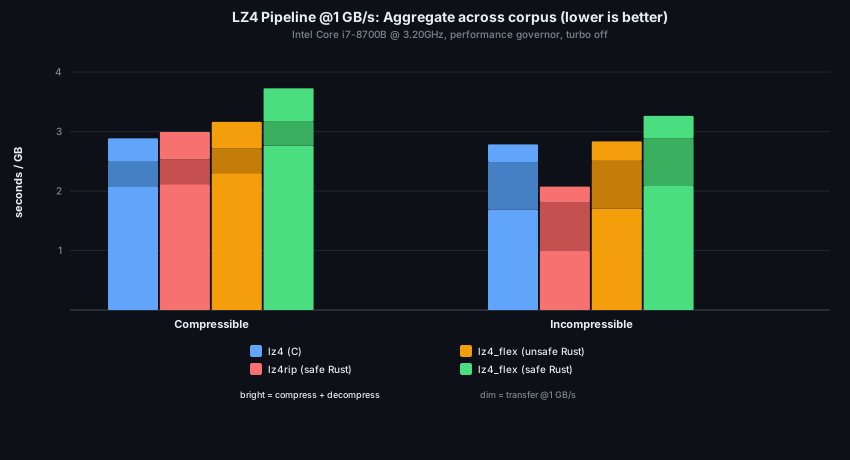
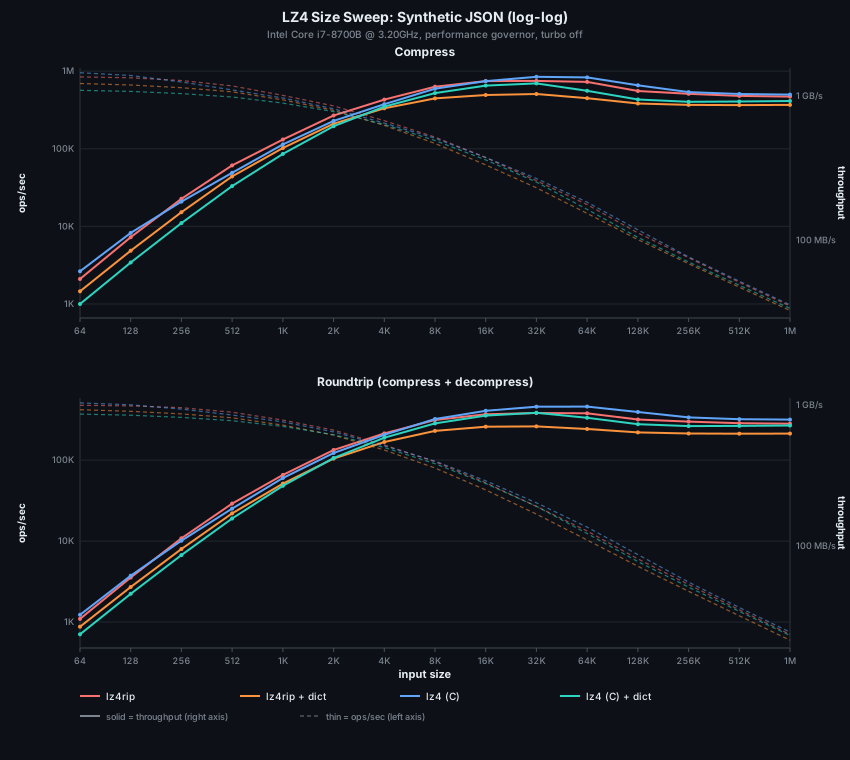
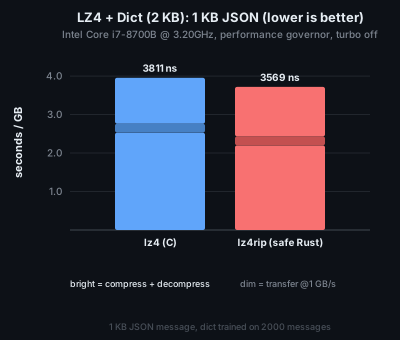
x86_64 details (per-file, size sweep, dictionary)
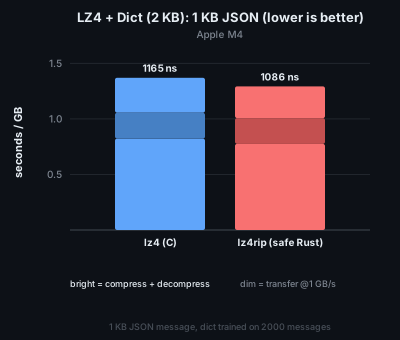
aarch64 (Apple M4)
use lz4rip::block::{compress, decompress_into, get_maximum_output_size};

let input = b"Hello people, what's up?";
let compressed = compress(input);

let mut output = vec![0u8; input.len()];
let n = decompress_into(&compressed, &mut output).unwrap();
assert_eq!(&output[..n], input);
The _into variants write into a caller-provided buffer. The plain variants
allocate.
// One-shot (allocating)
fn compress(input: &[u8]) -> Vec<u8>;
fn decompress(input: &[u8], uncompressed_size: usize) -> Result<Vec<u8>>;

// One-shot (into caller buffer)
fn compress_into(input: &[u8], output: &mut [u8]) -> Result<usize>;
fn decompress_into(input: &[u8], output: &mut [u8]) -> Result<usize>;Pre-seed the compressor and decompressor with shared context for better ratios on small messages (e.g. JSON records, log lines).
use lz4rip::block::{Compressor, Decompressor, get_maximum_output_size};

let dict = b"shared context bytes...";
let mut comp = Compressor::with_dict(dict);
let decomp = Decompressor::with_dict(dict);

let input = b"context bytes appear in messages";
let mut buf = vec![0u8; get_maximum_output_size(input.len())];
let n = comp.compress_into(input, &mut buf).unwrap();

let output = decomp.decompress(&buf[..n], input.len()).unwrap();
assert_eq!(&output[..], input);The frame format (feature frame, on by default) wraps block compression in the
standard LZ4 frame container with checksums, content size, and streaming support.
FrameEncoder and FrameDecoder implement Write and Read.
use lz4rip::frame::{FrameEncoder, FrameDecoder};
use std::io::{Write, Read};

// Compress
// FrameEncoder::with_dictionary(wtr, dict, dict_id) for dictionary support
let mut encoder = FrameEncoder::new(Vec::new());
encoder.write_all(b"Hello frame format!").unwrap();
let compressed = encoder.finish().unwrap();

// Decompress
let mut decoder = FrameDecoder::new(&compressed[..]);
let mut output = String::new();
decoder.read_to_string(&mut output).unwrap();
assert_eq!(output, "Hello frame format!");Divergences from C lz4 and lz4_flex that explain the performance difference. See DESIGN.md for details.
- Aggressive skip acceleration (8 vs C lz4's 64 misses before stepping)
- Generational hash table (16-bit for small inputs, 32-bit for large)
- 5-byte PRIME5 hash (vs C lz4's 4-byte KNUTH)
- Compile-time specialization over hash table type, dict mode, and sink type
- No HC/OPT/MID. Use zstd for ratio.
All compression and decompression logic is #[forbid(unsafe_code)]. See
SAFETY.md for the unsafe boundary details and a catalog of C lz4
memory safety bugs that Rust prevents by construction.
See DEVELOPMENT.md for benchmarking, fuzzing, and feature flag details.