Home

An invented HSC Textiles and Design major work, marked by AI against the real NESA criteria while it is still being written.
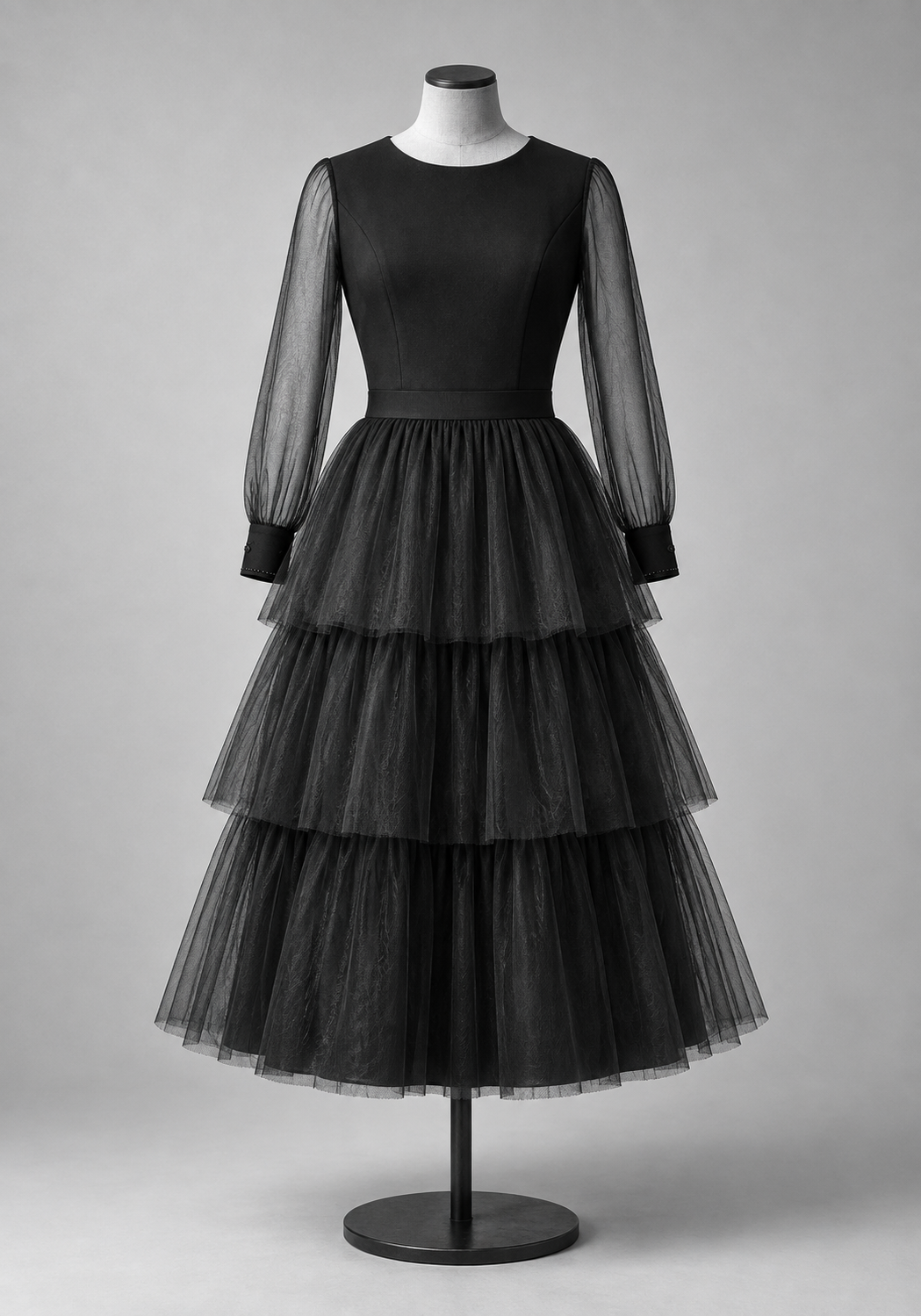
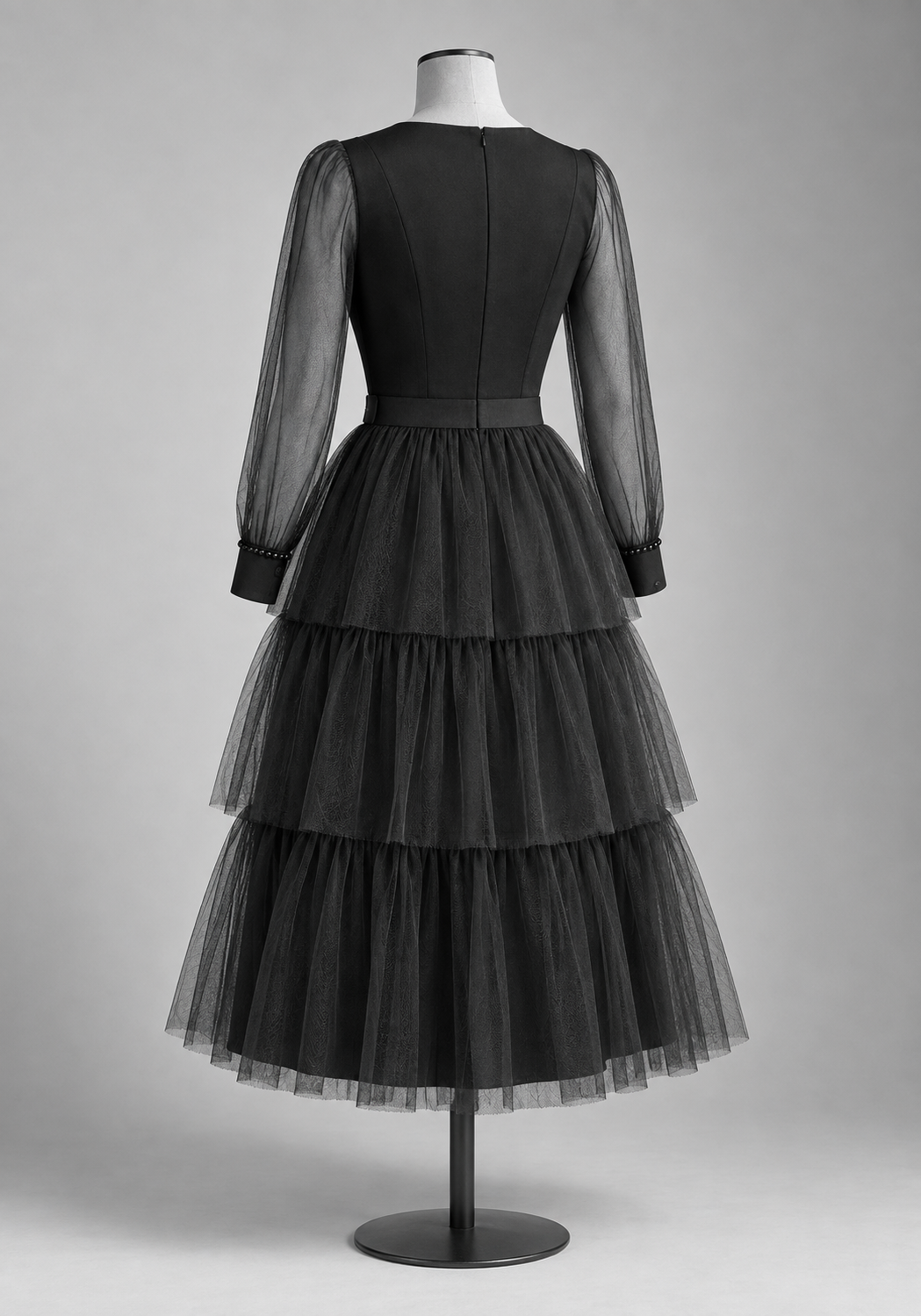
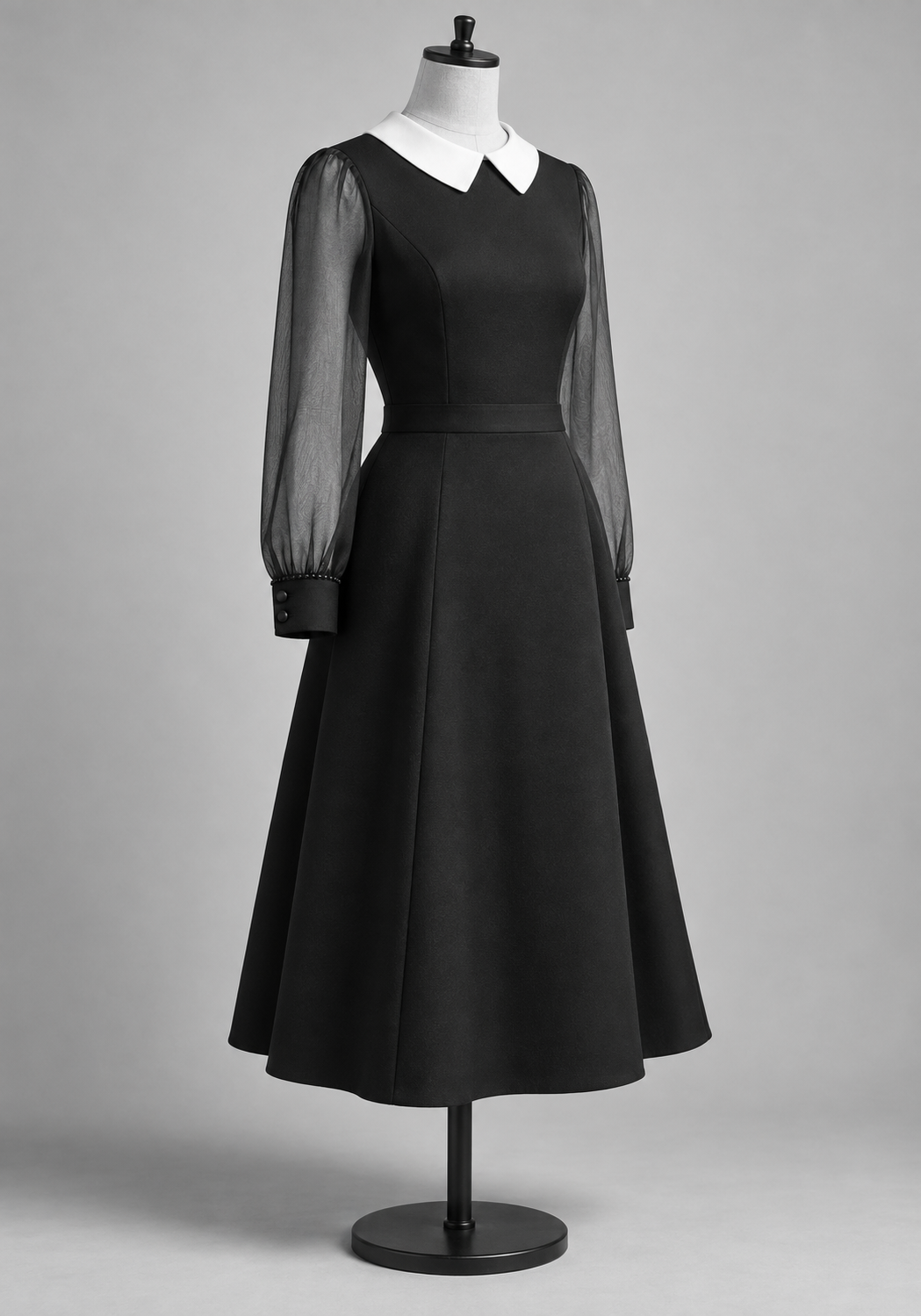
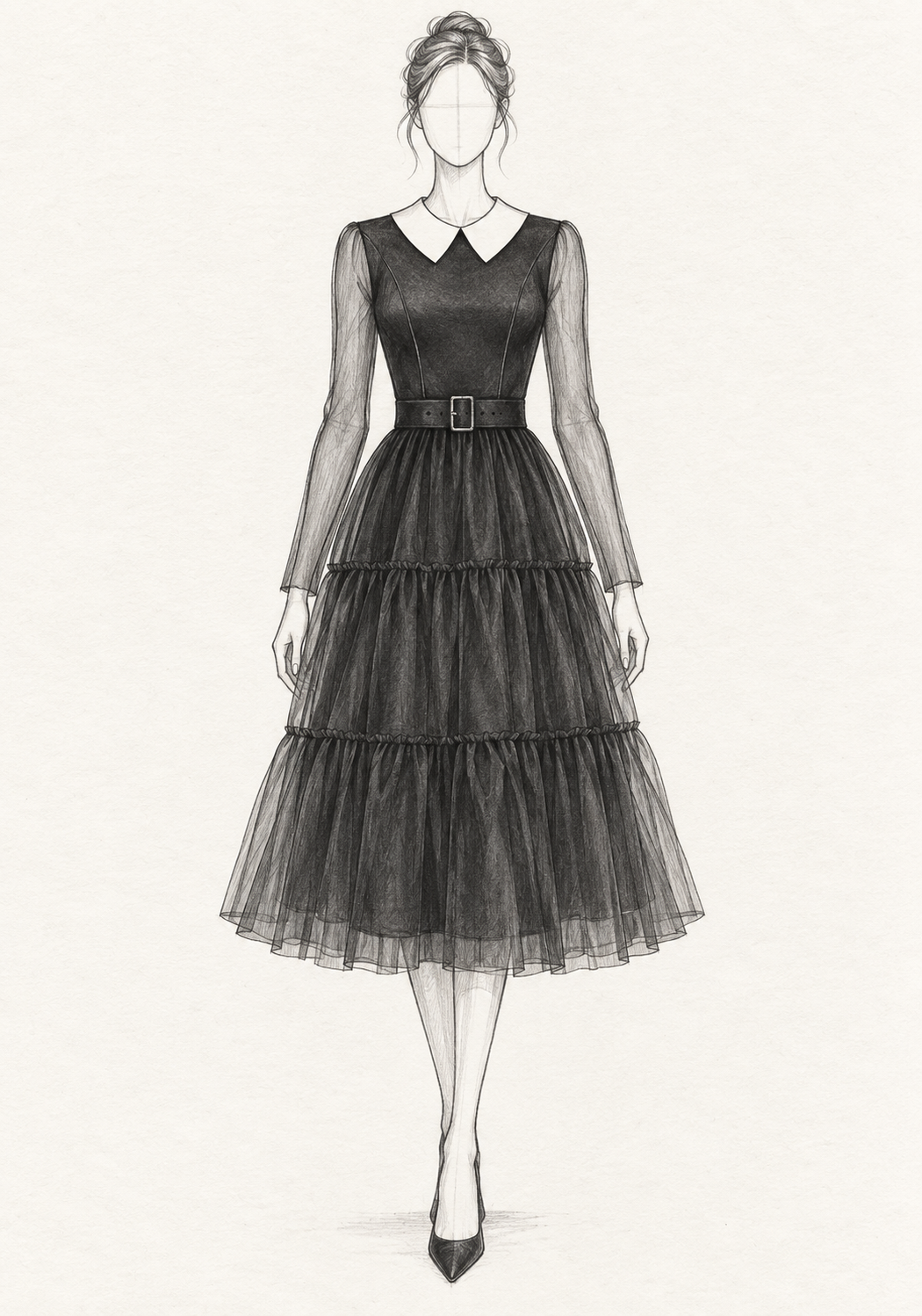
Final designs 4A, 4B and 4C: the dance, the back, and the change.
This wiki goes with a twelve-page A3 folio for a school dance dress, inspired by the dress Wednesday Addams wears to the Rave'N dance. The student, the school, the dress, and every test result are invented. Nobody has submitted any of it.
The marking is not invented. The criteria, the mark ranges, and the page rules are NESA's own, quoted from the published documents for students sitting the HSC in 2026 and 2027. The marking procedure, the agents that run it, and the reviews they write are the same ones a real student's folio would get.
| Invented | Real |
|---|---|
| The student, the school, and the dress | NESA's marking guidelines and mark ranges, quoted word for word |
| Every experiment, trial, and test result | The page limits, section order, and submission rules |
| The plates, which are generated study drawings | The marking procedure and the evidence rules |
| The agents, and the reviews and marks they give |
The dress is only the test case. The real question is this: can the folio be built like software, so a student gets marker-style feedback every time a page changes, instead of once, after it is handed in?
flowchart LR
  A["Student writes and draws<br/>the folio pages"] --> B["Design system renders<br/>twelve A3 pages"]
  B --> C["Print proof at true size<br/>and a copy in Canva"]
  B --> D["nesa-assessor agent marks<br/>the PDF against NESA criteria"]
  D --> E["Review with evidence<br/>and page references"]
  E --> A
- The student makes the work. Every word and plate in the folio belongs to the student. An agent never writes folio prose or draws a plate.
- The pages are code. Each page is a design component with a shared stylesheet, so type sizes, colours and page limits are checked, not eyeballed.
-
The AI marks. The
nesa-assessoragent reads the exported PDF against the published marking guidelines and reports what a marker would find: unsupported claims, contradictions, and missing required elements.
On 26 September 2026 four agents marked the same export against the same rules. Three gave 23 out of 25 and one gave 25. The grading review puts them side by side and shows where they disagree.
The four sections use NESA's names word for word. Each one has a period title in the masthead and its own colourway.
| Section | Pages | What it holds | |
|---|---|---|---|
 |
Design Inspiration The Sources, Gathered |
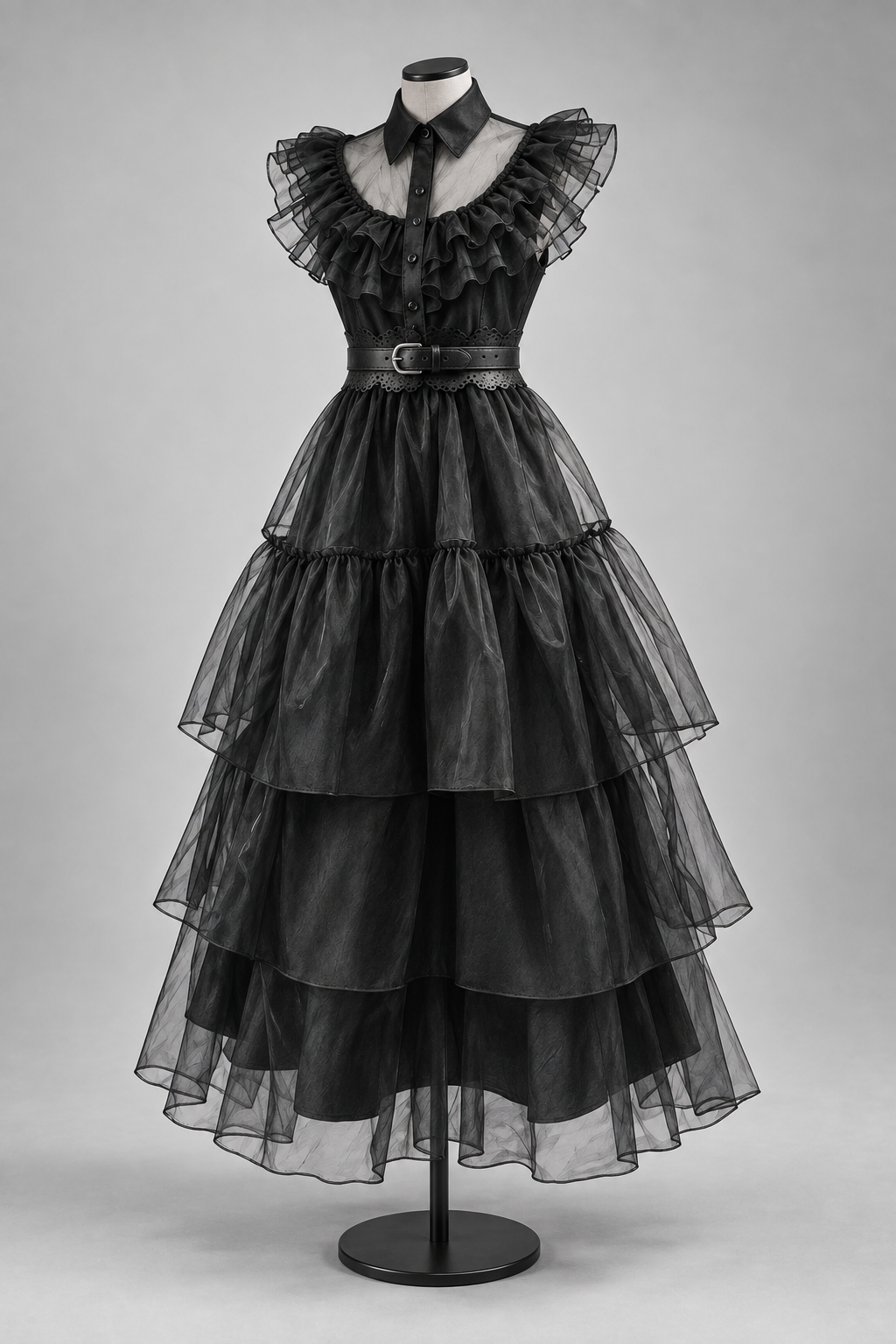
1 to 2 | Study drawings of the dress and its period sources: 1905 mourning dress, 1926 tulle, 1955 party dress, jet beading. |
 |
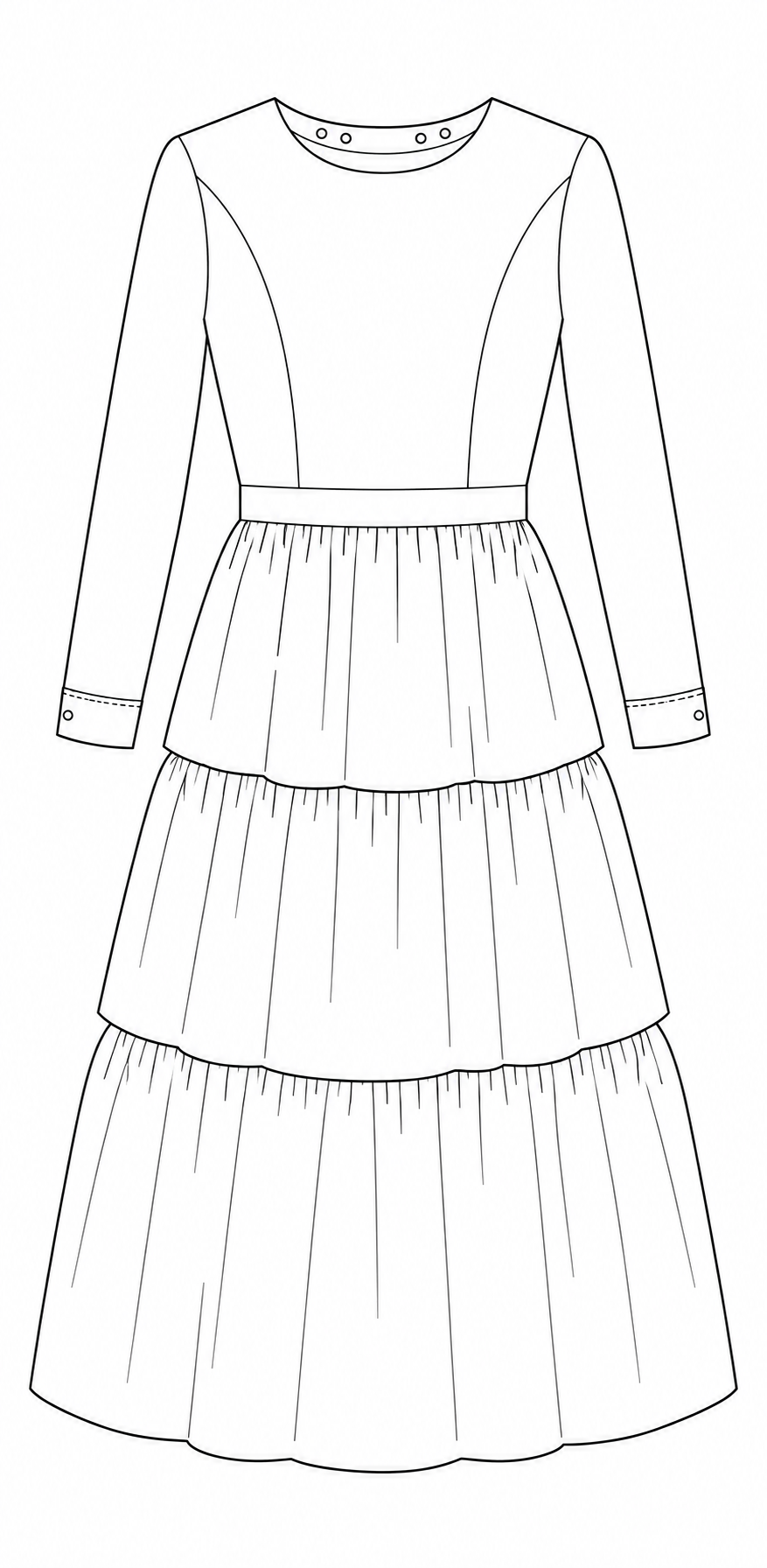
Visual Design Development The Designs, Weighed |
3 to 5 | Sketches, the options weighed against each other, and the final design. |
 |
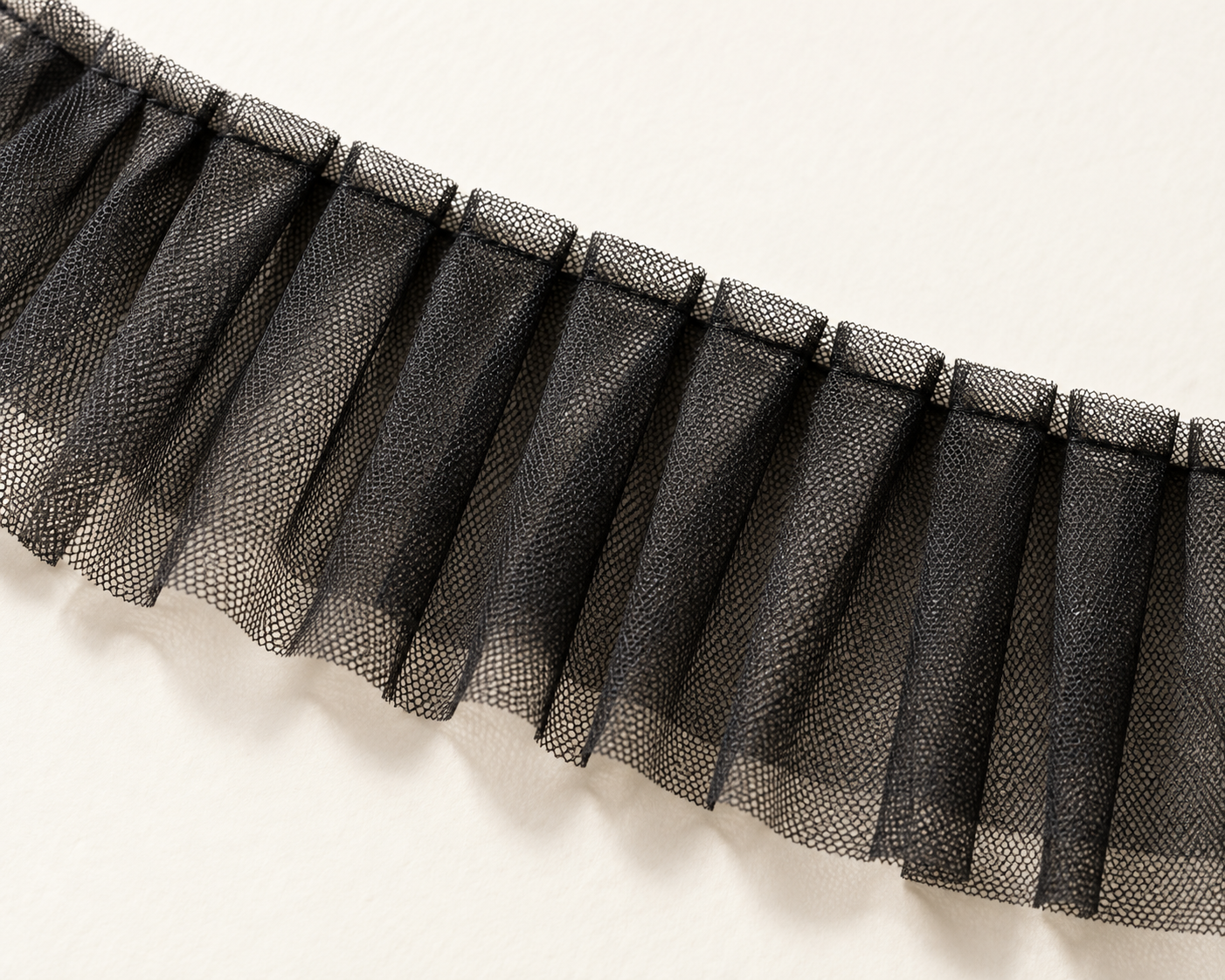
Manufacturing Specification The Making |
6 to 8 | Flat drawings, pattern pieces with modifications, cutting layouts, and the materials list. |
 |
Investigation, Experimentation and Evaluation Trials & Proofs |
9 to 12 | Nine experiments with four trials each, the results, and the evaluation. |
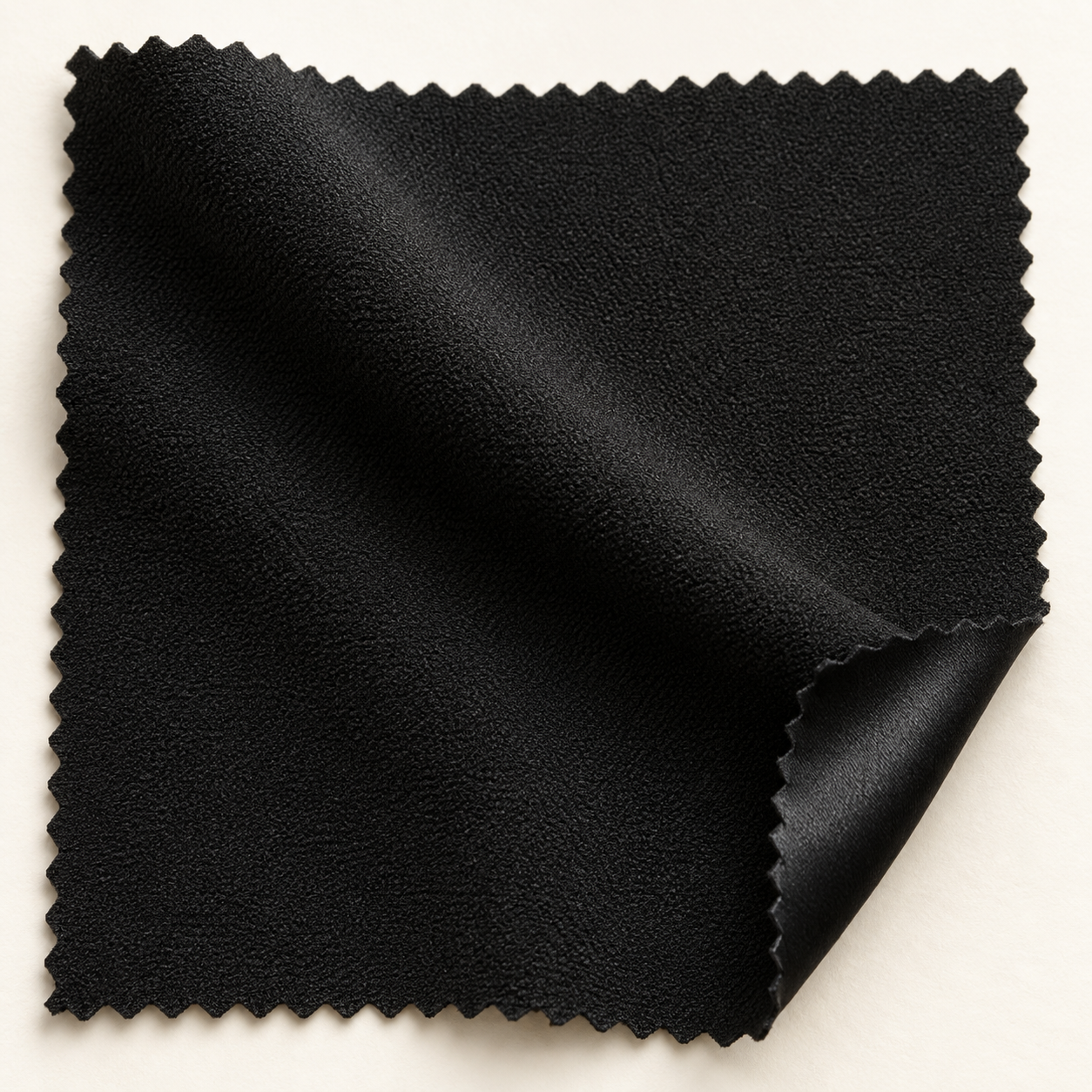
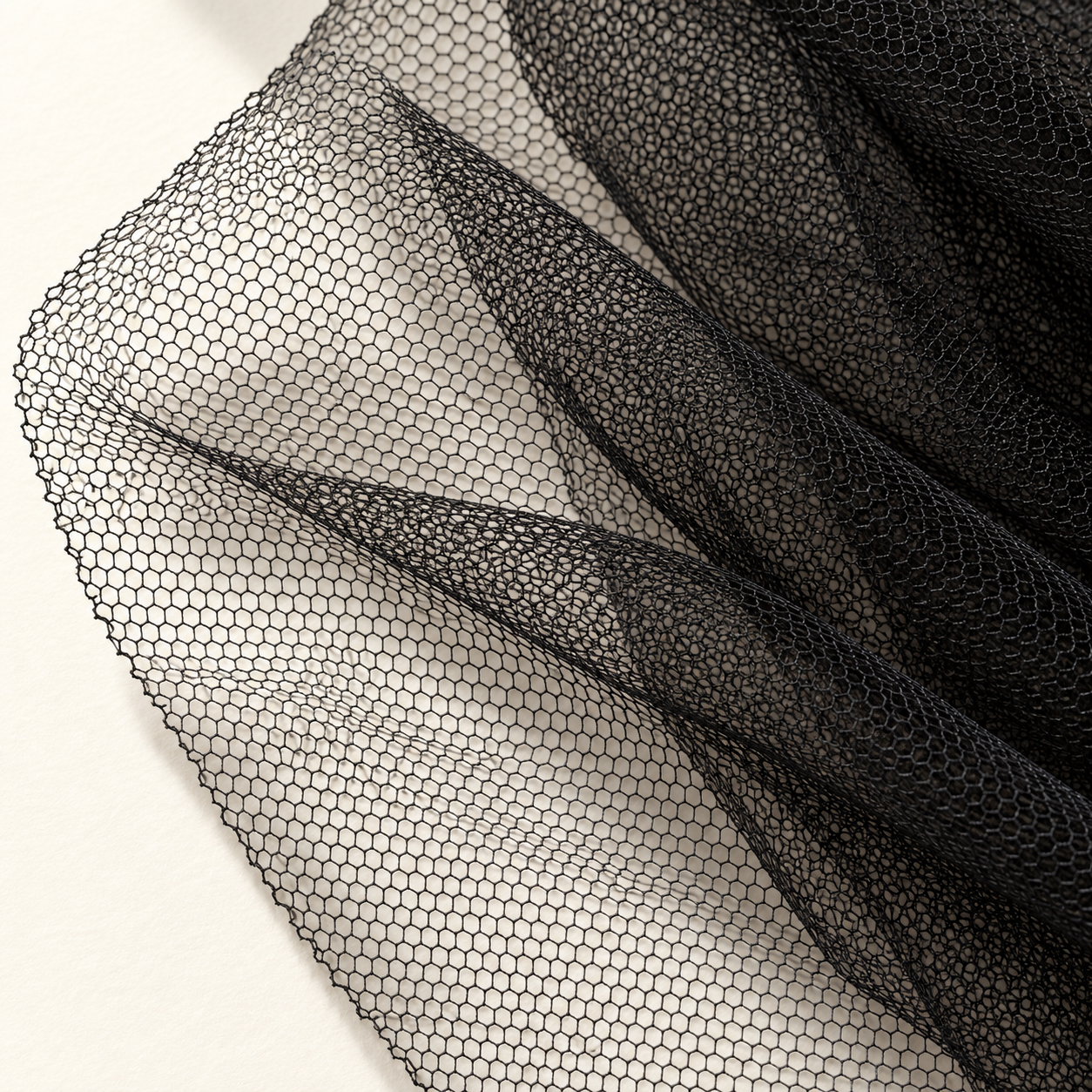
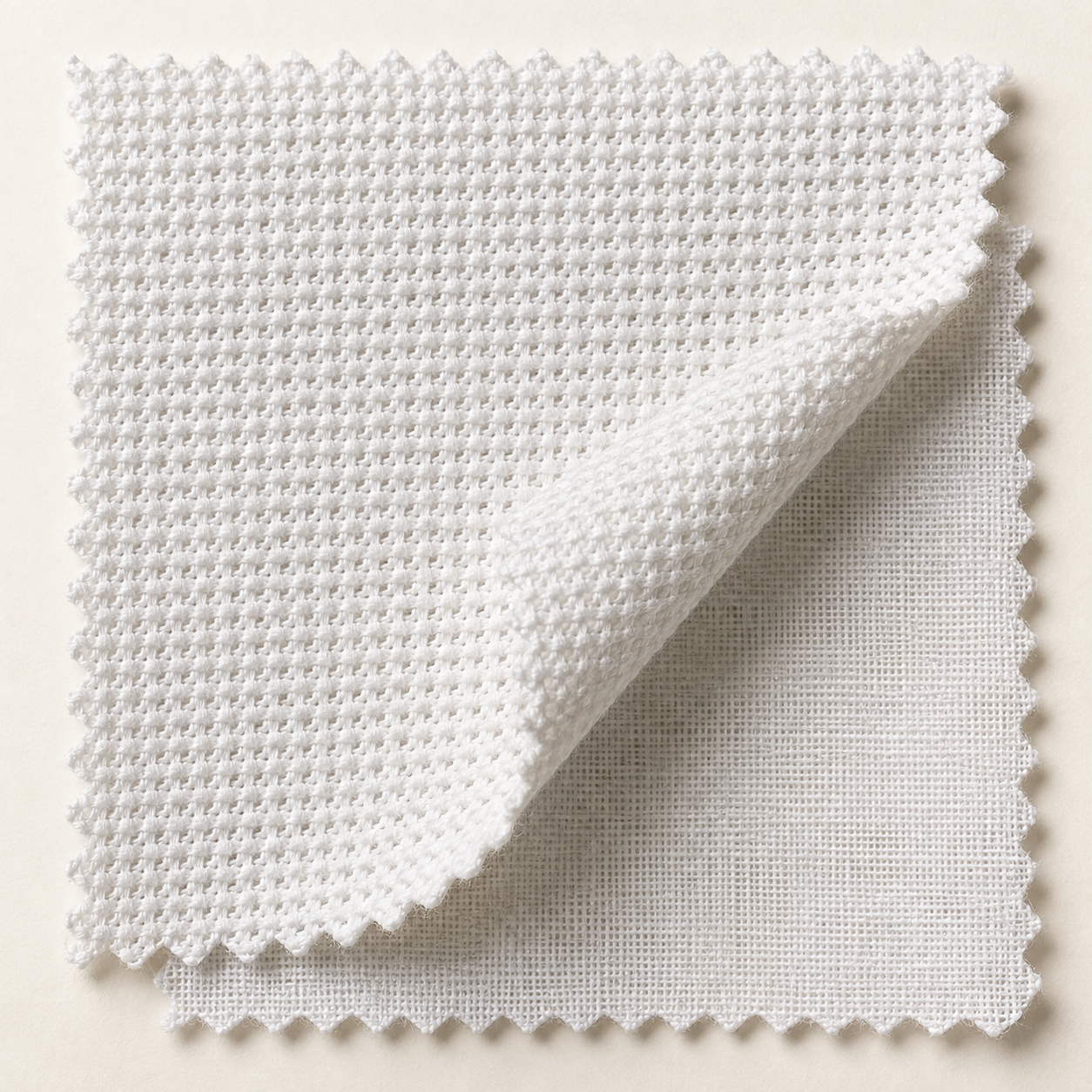
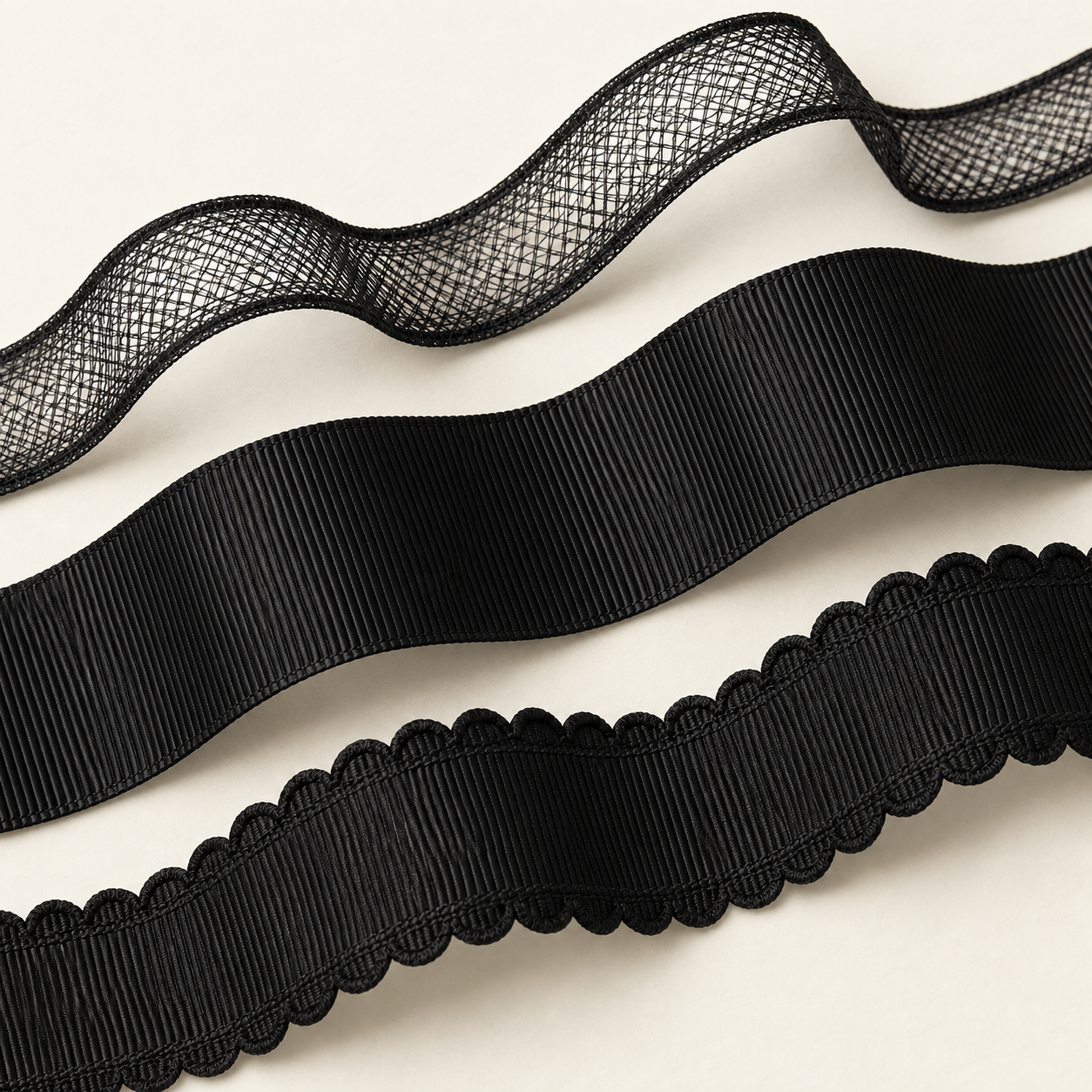
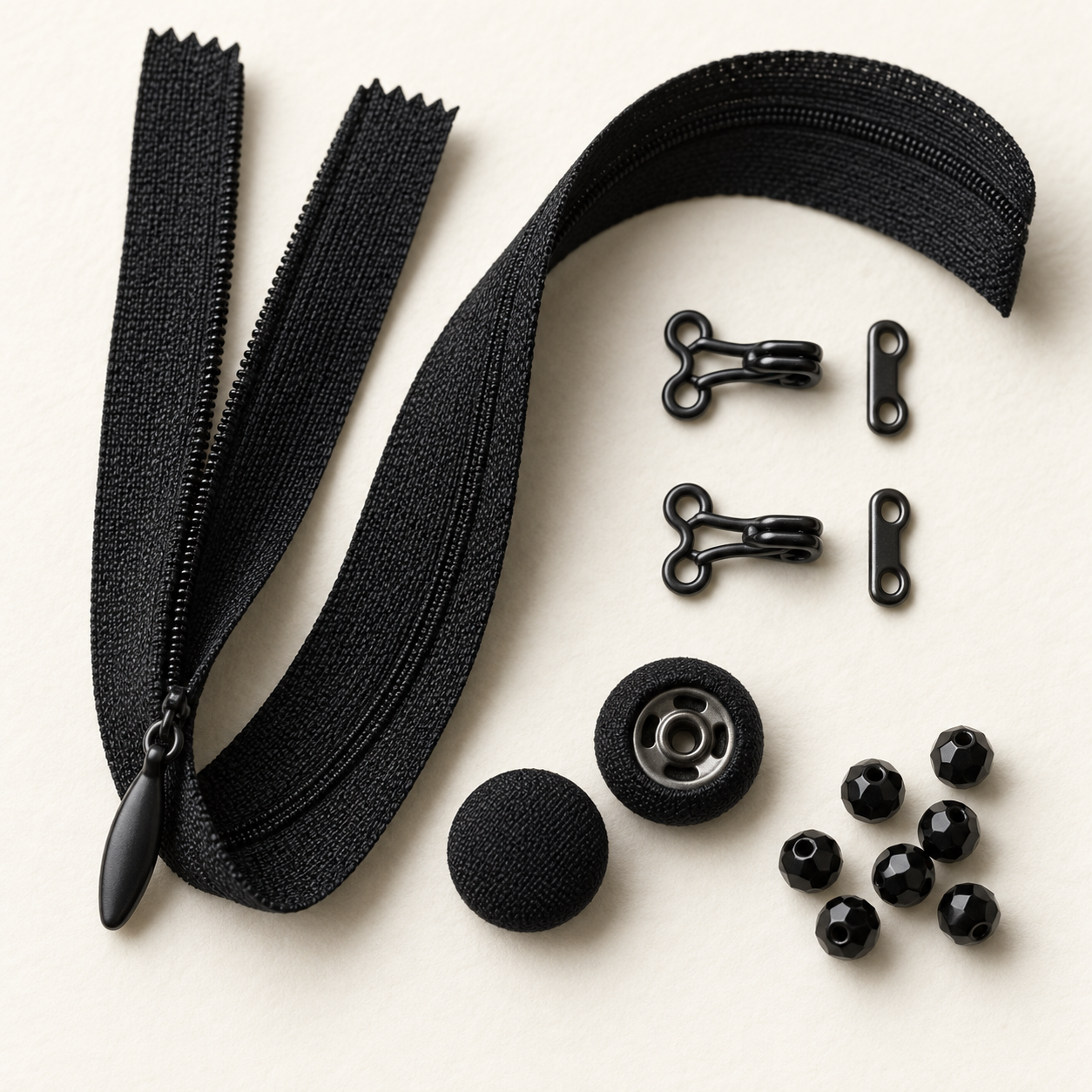
Crepe satin, nylon tulle, cotton pique, trims, and notions.
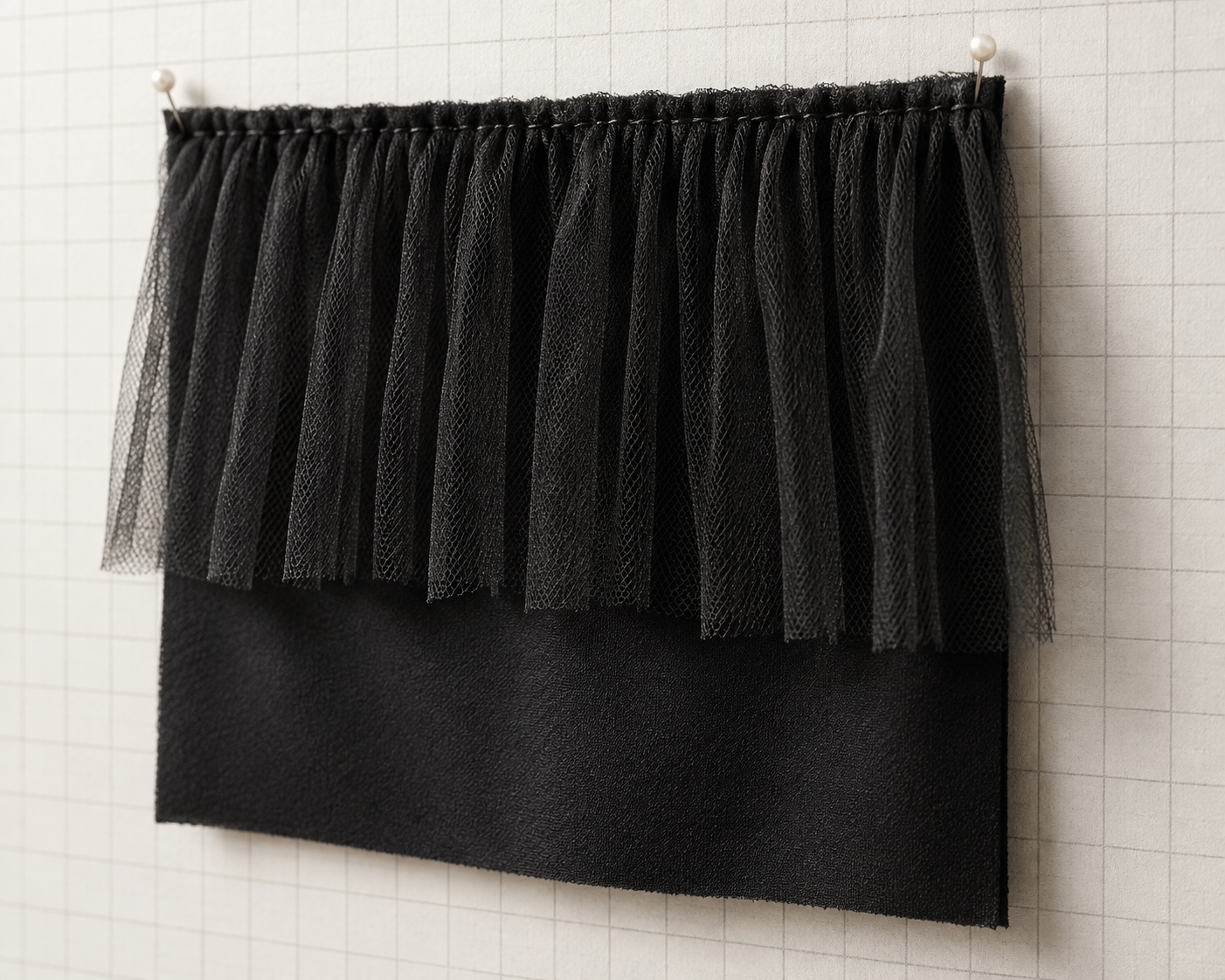
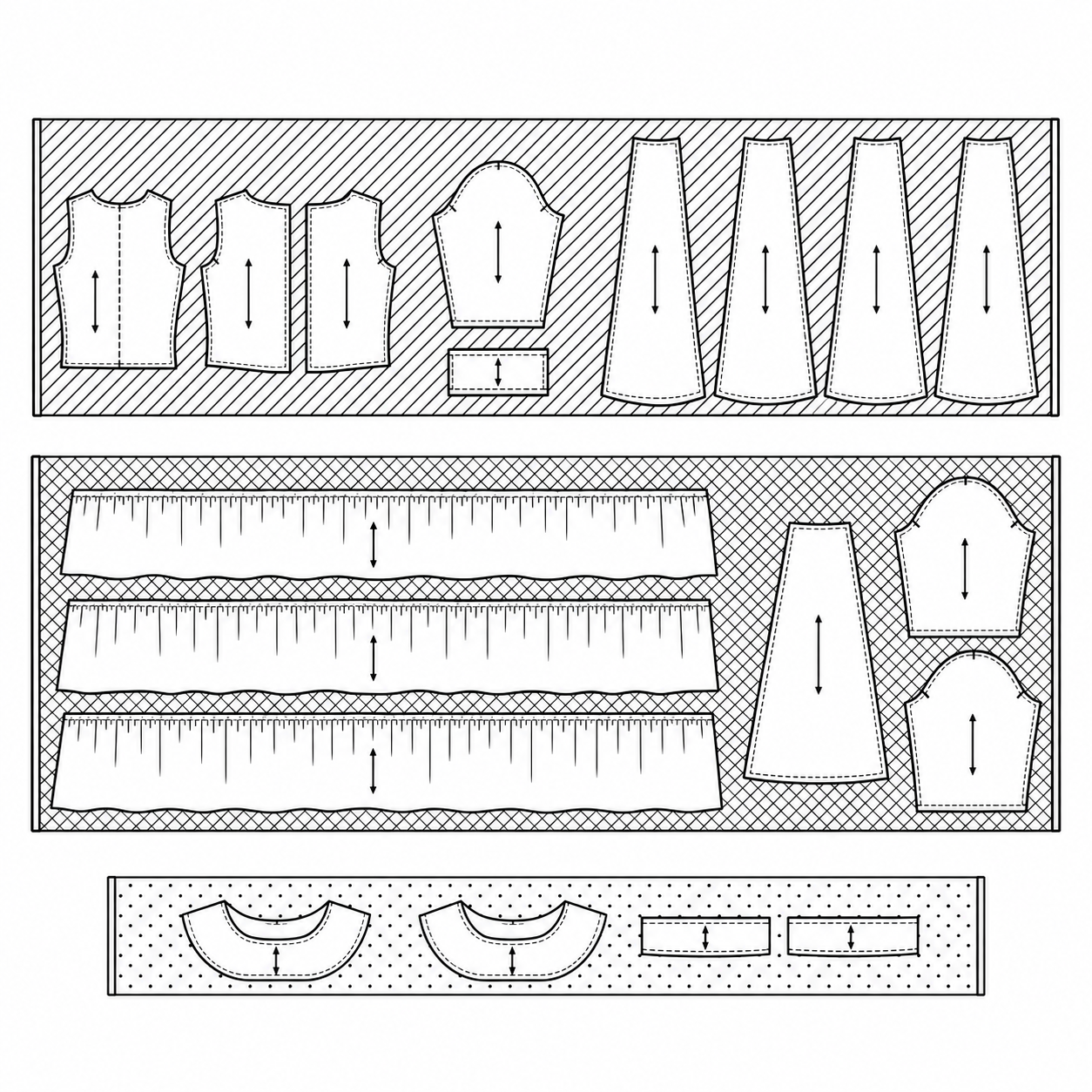
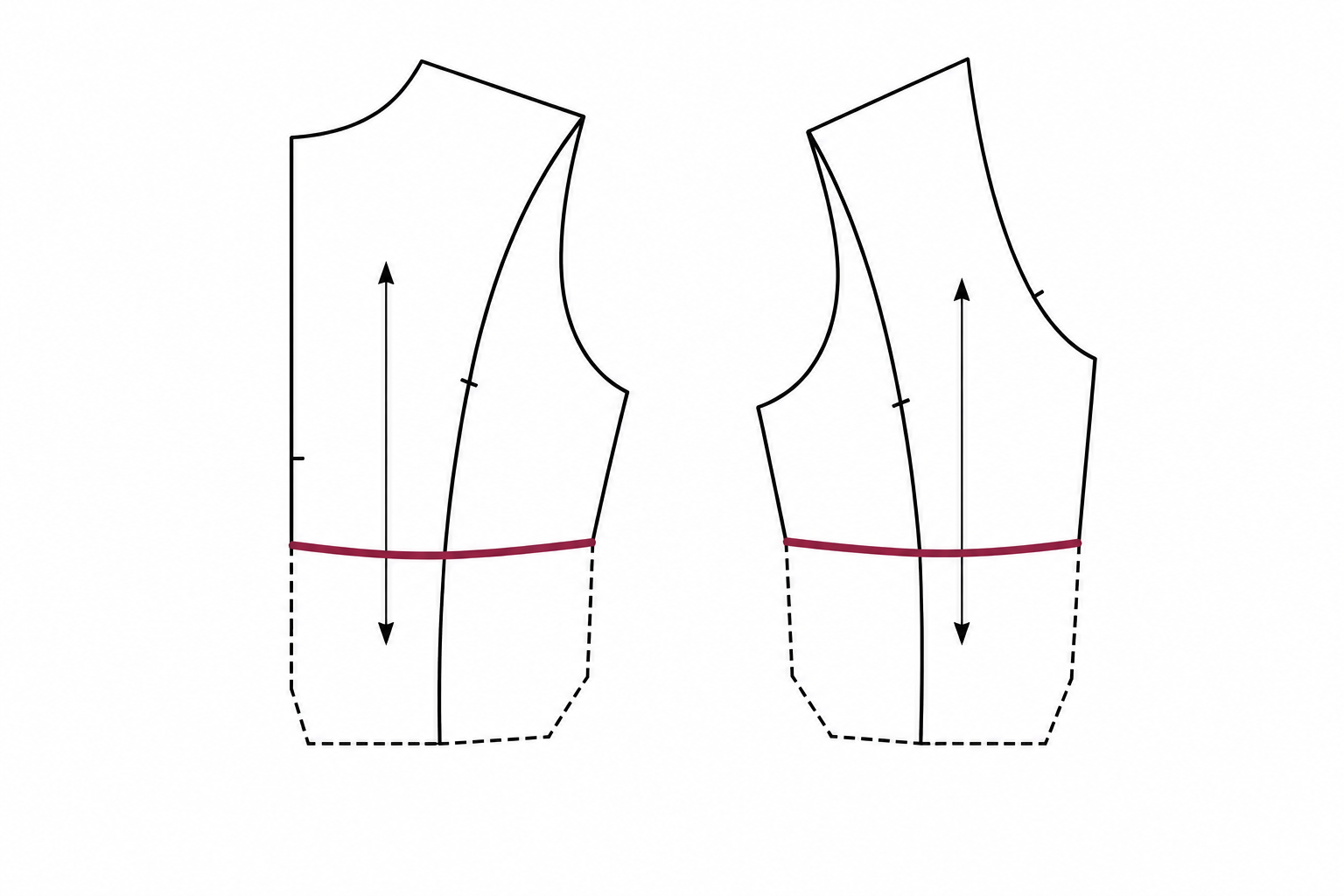
A gathered tulle trial, the cutting layout, and the bodice front with its modification in wine.
The folio lives in a binder, and the dress leaves with a swing tag. Both are drawn by the same stylesheet as the pages, so they carry the same masthead, rules, and house mark.
Adjust the spine size and graphics to fit the binder actually used.

The binder spine insert, laid on its side. The four bands are the four folio sections.


The swing tag, 70 x 120 mm, front and back.
These two are rendered from the design system each time the wiki is published.
- New here? Read the design rationale for why the folio looks the way it does.
- Marking something? Read the NESA marking facts and the folio marking notes first. They govern every review.
- Want to see a marking? The NESA grading review compares four agents on one export.
- Printing or making? The print specifications and production items cover paper, binding, the swing tag, and the labels.
- Curious about the agents? Agents in this repo shows how one agent runs on Copilot, Claude Code, and Codex.
- Agents in this repo
- Brand kit
- Syncing the folio to Canva
- Design rationale
- Folio marking notes
- NESA grading reviews by different AI agents
- NESA marking facts, Major Textiles Project
- Preview site
- Print specifications
- Production items
The folio is invented; the rules it is marked against are not. The plates are generated study drawings and stand
in for the student's own artwork. No real student, school, or screen still appears anywhere. The wiki is rebuilt from the
docs/ folder on every push to main, so edit the repository, not the wiki.