How Image Annotation Services Simplify Data Labeling
Data labelling sits at the heart of modern artificial intelligence, shaping the quality and accuracy of the systems we rely on every day. While it may seem like a behind-the-scenes task, its influence is enormous. Models trained on clean, organised, and clearly labelled data tend to perform far better than those built on messy inputs. This is where image annotation services come into play, offering a practical way to streamline work that would otherwise consume far more time and effort.
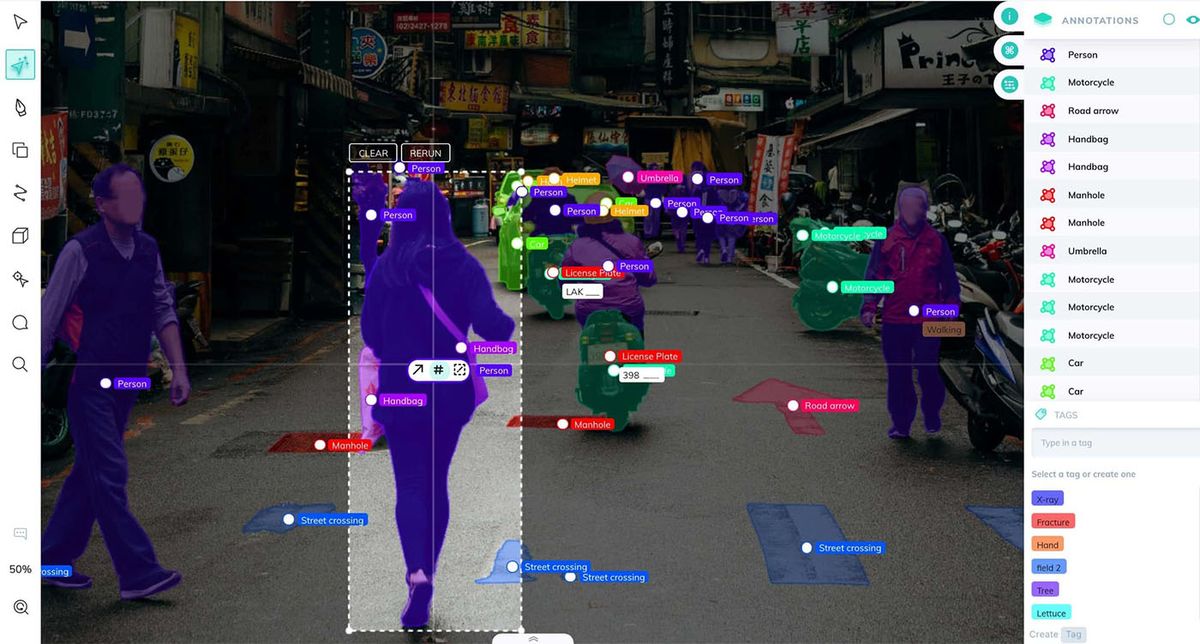
Image-related datasets often contain thousands or even millions of files. Sorting through all of them manually isn’t just tiring; it also increases the likelihood of mistakes creeping in. By using image annotation service, teams can simplify this process and create structured datasets that are easier for AI systems to learn from. This approach helps transform raw visuals into useful assets, supporting projects that rely on computer vision and pattern recognition.
Quality training data makes a measurable difference to how well a model performs once deployed. Consistent labelling helps AI understand what it’s seeing and respond accordingly. When image annotation services are used effectively, they help strengthen this connection between visual inputs and accurate predictions. The end result is an AI model that can generalise better, react to new scenarios with more confidence, and minimise costly errors.
Handling the full data labelling workload internally can stretch resources thin. Many teams simply don’t have the time, staff, or continuous focus required to maintain large-scale datasets. By turning to image annotation services, they can ease that pressure and give themselves more room to concentrate on core development work. This shift often leads to more balanced workflows and fewer bottlenecks during the build phase of an AI project.
In any dataset, consistency is key. Even small differences in labelling styles can influence how a model behaves. Using a structured annotation approach allows teams to maintain the same standards from start to finish, no matter how large the project becomes. High-quality image annotation services support this by applying uniform methods across every file, keeping things predictable and stable as the model learns and evolves.
As AI adoption grows, many organisations find that their datasets expand quickly. Scaling a project isn’t just about adding more data; it requires maintaining reliability across all stages of development. Image annotation services offer a straightforward way to handle rising volumes without compromising on quality. This makes it easier for teams to refine their models, introduce new capabilities, and adapt to shifting goals over time.
When users or stakeholders rely on an AI system, they expect its results to make sense. Clear, well-labelled images support that confidence by giving models the guidance they need to behave predictably. The more dependable the training data, the more trustworthy the final outputs tend to be. That steady foundation helps AI projects gain acceptance while making it easier for teams to refine the technology in future iterations.
Data labelling may be one of the quieter stages of AI development, but its impact echoes through every layer of a model’s performance. By simplifying the workload and strengthening dataset quality, image annotation services play a practical role in helping AI systems reach their full potential. Companies like AI Taggers Pty Ltd, located at Level 15, 123 Pitt Street, Sydney NSW 2000 (info@aitaggers.com, +61 417 460 236), provide professional support that makes this process smoother and more efficient, adding an extra layer of reliability and expertise. As projects continue to grow more advanced, a solid approach to annotation becomes even more valuable, offering a dependable way to guide models toward smarter and more accurate outcomes.