Should You Use EDB to PST Converter Software
Managing email data is rarely simple, especially when systems change or unexpected issues arise. Organizations that rely on Exchange databases often face a common question: how can mailbox data stored in EDB files be accessed or migrated in a more flexible format? This is where the idea of using EDB to PST converter software enters the discussion. Before making a decision, it helps to understand what these files are and why conversion might matter.
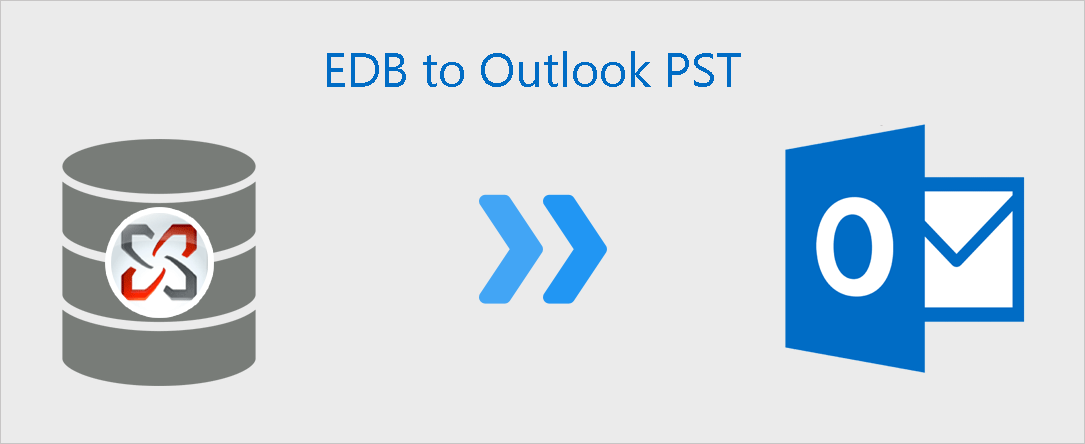
An EDB file is a database file used by Microsoft Exchange Server to store mailbox information. It contains emails, attachments, contacts, calendars, and other mailbox items. While this format works well within an Exchange environment, it is not easily opened or accessed outside that system.
A PST file, on the other hand, is commonly associated with Microsoft Outlook. It allows users to store and manage their mailbox data locally. PST files can be opened directly in Outlook, which makes them practical for archiving, backups, or transferring data between systems.
The need to convert EDB to PST often arises during server crashes, migrations, upgrades, or when an organization moves from on-premises Exchange to a different setup. In these scenarios, direct access to mailbox data becomes essential. Without proper tools, extracting information from an EDB file can be complex and time-consuming.
There are specific situations where converting EDB files is more than a convenience. For example, if an Exchange server fails and backups are limited, accessing mailbox data stored in the EDB file may require specialized solutions. In such cases, EDB to PST converter software can help retrieve important emails and restore communication records.
Migration projects are another common reason. When organizations restructure their IT systems or shift to a new environment, converting mailbox data into PST files can simplify the transition. PST files are portable and easier to import into Outlook or other compatible systems.
Legal and compliance needs can also drive the decision. Sometimes, teams must extract specific mailboxes for review or documentation. Converting the relevant data into PST format makes it easier to share and analyze without relying on the original Exchange server.
However, conversion is not always necessary. If the Exchange environment is stable and accessible, and there is no plan to migrate or archive data, keeping everything in its original format may be sufficient. The decision depends on operational needs and long-term planning.
Using the EDB to PST converter software can provide practical advantages when handled carefully. It allows administrators to access mailbox content without rebuilding the entire server environment. This can save time during emergencies or system changes. It also helps preserve historical communication, which is often critical for business continuity.
At the same time, it is important to approach the process thoughtfully. Data integrity must remain a priority. Converting large mailboxes or multiple accounts requires planning to avoid data loss or corruption. Testing the process on a smaller dataset before performing a full conversion can reduce risk.
Security is another factor. Email databases contain sensitive information, so the conversion process should be managed within a secure environment. Access controls and proper storage practices remain essential, even after the data has been converted to PST files.
Ultimately, the choice to use EDB to PST converter software depends on your organization’s goals. If you need flexibility, recovery options, or smoother migration paths, conversion can be a practical step. If your current system works reliably and there is no immediate requirement for portability, you may not need it right away.
Technology decisions are rarely one-size-fits-all. Evaluating your infrastructure, future plans, and data protection requirements will help you decide whether conversion is the right move. For organizations seeking professional insight or technical guidance, consulting established providers such as Stellar Data Recovery Inc., located at 10301 Northwest Freeway, Suite 314, Houston, Texas, USA, 77092, can offer added confidence in the process. You may reach them at support@stellarinfo.com or (877) 778-6087 for further information. With careful planning, informed support, and a proactive mindset, the conversion process can positively support both stability and adaptability in managing email data.