Repository navigation
Design Document
This project aims to develop a short atmospheric walking simulator with an estimated playtime of 20–30 minutes. The experience will focus on environmental storytelling, exploration, atmosphere, and immersion combined with some levels of resource management (e.g. puzzle mechanics).
Players will navigate through a series of interconnected environments designed to evoke a specific mood and narrative experience. Environmental design, ambient audio, lighting, and visual presentation will serve as the primary tools for delivering the game's atmosphere.
This game will include:
1) First-person character movement and camera controls
2) Environmental exploration mechanics
3) Ambient audio and environmental sound design
4) Atmospheric lighting and visual effects
5) Limited procedural generation systems for selected sections of the game
6) Basic interaction elements where necessary to support exploration and progression
7) Light environmental puzzle-solving elements
8) Playtesting and polishing of the overall experience
The procedural generation system will be used selectively to introduce environmental variation and replayability within designated sections of the game. The puzzle elements will primarily consist of observation-based and environmental interaction challenges that support exploration and progression.
The final deliverable will be a playable prototype demonstrating a complete beginning-to-end experience, emphasizing atmosphere, exploration, and environmental immersion within a 20–30 minute gameplay session.
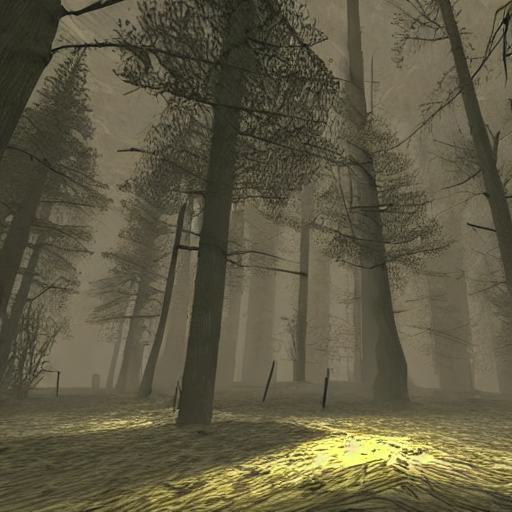
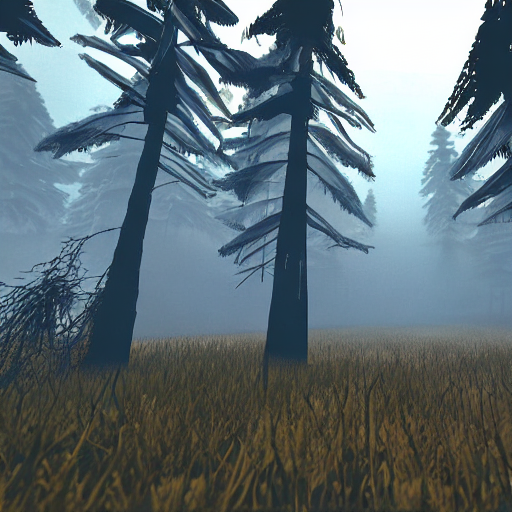
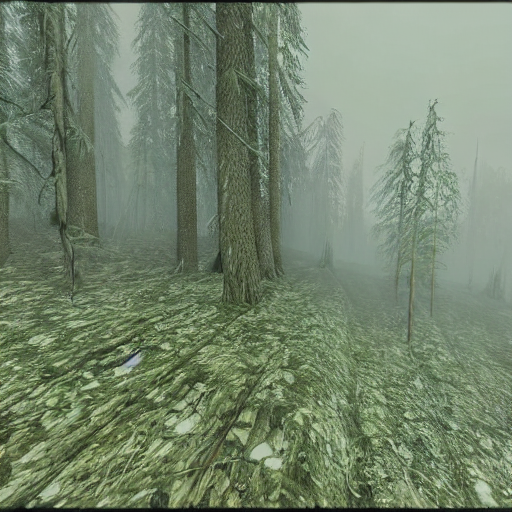
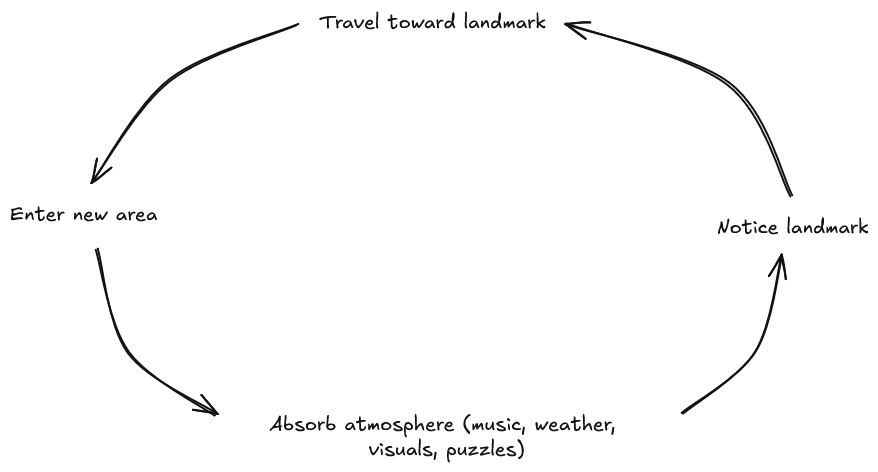
-
Players enter a new area and take time to absorb its environment through visual details, ambient sound, music, weather effects, and environmental storytelling and effiectively solving puzzles for progression.
-
As they explore, they notice a landmark or point of interest in the distance that sparks curiosity and encourages them to continue their journey.
-
Traveling toward this landmark creates a sense of anticipation, which is rewarded by a scripted event, narrative moment, environmental reveal, or emotional experience upon arrival.
-
Reaching this destination then introduces a new area and a new point of interest, restarting the cycle.
June 24 - July 5 (Phase 1)
- Final concept lock
- Basic movement prototype
- Art direction reference board
- Audio direction planning
- Quick greybox environment
July 6 - July 19
- Interaction system
- Procedural generation prototype
- Initial environment pass
- Audio system integration
- Final character controller
July 20 - August 2
- Improve procedural generation
- Expand environment assets
- Puzzles
- Lighting pass
- Audio layering
- Performance/bug fixes
August 3 - August 10 (Phase 2)
- Fully connect all systems
- Fix edge cases in generation
- UI minimal pass
- First full end-to-end playthrough
August 11 - August 18 (Phase 3)
- Playtesting
- Pacing issues
- Final export/submission build
| Programming | Design & Writing | Audio | Art & Assets | Documentation | Coordination |
|---|---|---|---|---|---|
| Shin Thu Nwe | Pyae Pyae Min San | ||||
| Naung Naung Lin | |||||
| Khant Zay Yan | Khant Zay Yan* | ||||
| Min Thiha Tun | Min Thiha Tun | Min Thiha Tun* | |||
| Kaungchan Aung Hein | |||||
| Saung Wai Hnin Htet | |||||
| Shiin Min Eain (Design) | Shiin Min Eain* |
* designate primary responsible role.
Language: Python
Game Engine: Panda3D
Version Control: Git
Project Management: Github Projects
Documentation: Github Wiki
Wireframing: Excalidraw
IDE/Code Editor: Visual Studio Code
Image Editing: Photoshop
Pixel Art: Aseprite
3D Modeling: Blender
**Audio Editing: Bandlab