5.Configuration
Table 5.1 Global package variables
| Name | Type | Description |
|---|---|---|
| NO_OF_SLAVES | integer | specifies no of slaves connected to the APB interface |
| APB_transfer_char_s | struct | Structure to hold the packet data. |
| APB_transfer_cfg_s | struct | Structure to hold the configuration data. |
| apb_fsm_state_e | enum | Represents the type of state IDLE SETUP |
| ACCESS | ||
| slave_no_e | enum | Used to select the one slave at a time by one hot encoding SLAVE_0 = 16'b0000_0000_0000_0001 SLAVE_1 = 16'b0000_0000_0000_0010 SLAVE_2 = 16'b0000_0000_0000_0100 SLAVE_3 = 16'b0000_0000_0000_1000 SLAVE_4 = 16'b0000_0000_0001_000 SLAVE_5 = 16'b0000_0000_0010_0000 |
| endian_e | enum | LITTLE_ENDIAN=1’b0 : lsb bit will store in first address location BIG_ENDIAN = 1’b1 : msb bit will store in first address location |
| tx_type_e | enum | WRITE=1’b1 : write transfer happen READ=1’b0 : read transfer happen |
| protectiontype_e | enum | Used to represent the protection type for transaction NORMAL_SECURE_DATA = 3'b000 NORMAL_SECURE_INSTRUCTION = 3'b001 = 3'b010 NORMAL_NONSECURE_INSTRUCTION = 3'b011 |
| PRIVILEGED_SECURE_DATA = 3'b100 PRIVILEGED_SECURE_INSTRUCTION = 3'b101 | ||
| slave_error_e | enum | Represents slave error signal NO_ERROR=1’b0;ERROR=1’b1; |
- Env configuration
- Master Agent configuration
- Slave Agent configuration
Table 5.2 Master_agent_config
| Name | Type | Default value | Description |
|---|---|---|---|
| is_active | enum | VM_ACTIVE | It will be used for configuring an agent as an active agent means it has sequencer, driver and monitor or passive agent which has monitor only |
| no_of_slaves | integer | ‘d0 | Used for specifying the number of slaves connected to the master |
| has_coverage | integer | ‘d1 | Used for enabling the master agent coverage |
Table 5.3 Slave_agent_config
| Name | Type | Default value | Description |
|---|---|---|---|
| is_active | enum | UVM_ACTIVE | It will be used for configuring agent as an active agent means it has sequencer,driver and monitor and if it’s a passive agent then it will have only monitor |
| slave _id | integer | ‘d0 | Used for indicating the ID of this slave e.g. slave 0 is selected. |
| has_coverage | integer | ‘d1 | Used for enabling the |
| slave agent coverage. |
Table 5.4 Env_config
| Name | Type | Default value | Description |
|---|---|---|---|
| has_scoreboard | integer | 1 | Enables the scoreboard,it usually receives the transaction level objects via TLM ANALYSIS PORT. |
| has_virtual_sqr | integer | 1 | Enables the virtual sequencer which has master and slave sequencer |
| no_of_slaves | integer | ‘h1 | Number of slaves connected to |
Memory-mapping is a mechanism that maps a portion of a file, or an entire file, on disk to a range of addresses within an application's address space.
In APB, the memory mapping means that the slave’s address ranges are stored in the master’s associative arrays so that master has access to each slave’s address range.
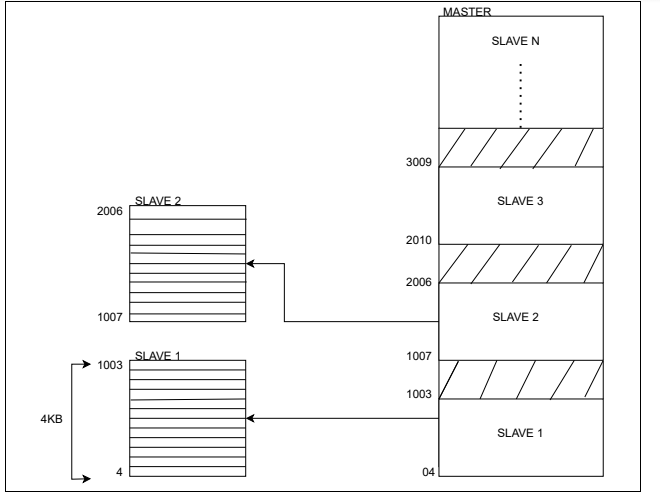
Fig. 5.5.1: Memory mapping example
An example of memory mapping is as shown in fig. 1. Initially in global package, the memory is taken as 4KB, i.e., the slave memory size is taken as 12, because (2^ADDRESS_DEPTH = MEMORY_SIZE) i.e., (2^12 = 4096) as shown in fig. 5.5.2.
Each Slave memory is given a gap of 2 locations, so that each memory mapping can be differentiated easily as shown in fig. 5.5.2.
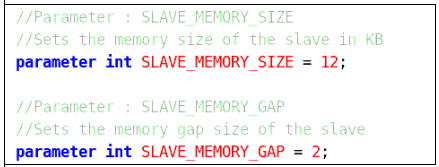
Fig. 5.5.2: Global parameter declaration
An associative array is used to store the max and min address ranges of every slave in master agent configuration, where [int] is the index type as shown in fig. 5.5.3.
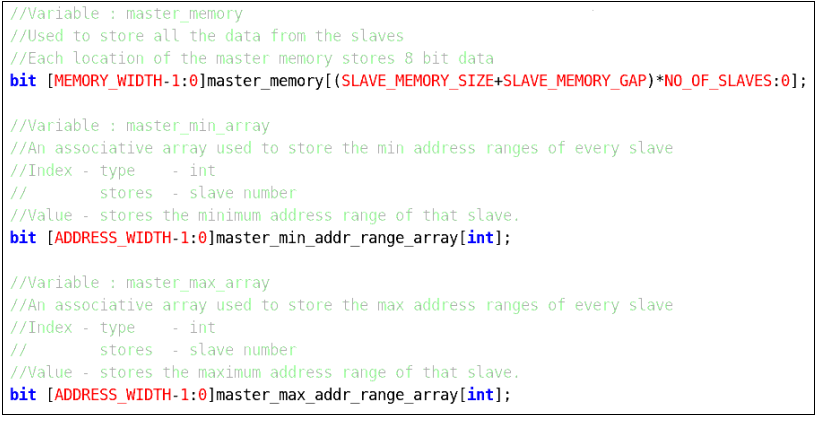
Fig.5.5.3: Associative array declaration
In master agent configuration, two functions are written so that the value obtained will be stored in the master array as shown in fig. 5.5.4.
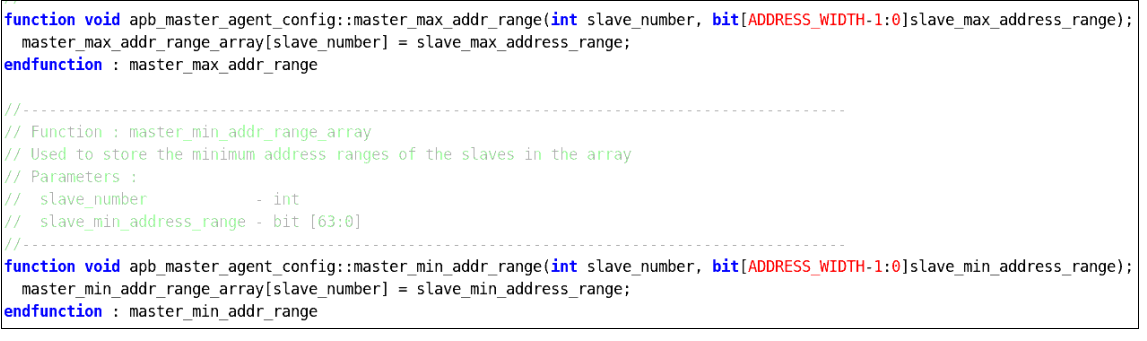
Fig.5.5.4: Functions for memory mapping for max and min value
The memory mapping is done in base_test as shown in fig. 5. In a setup_apb_master_agent_config(), initially, we declare 2 local variables to store the min and max address used for each iteration as shown in fig. 5.5.5.
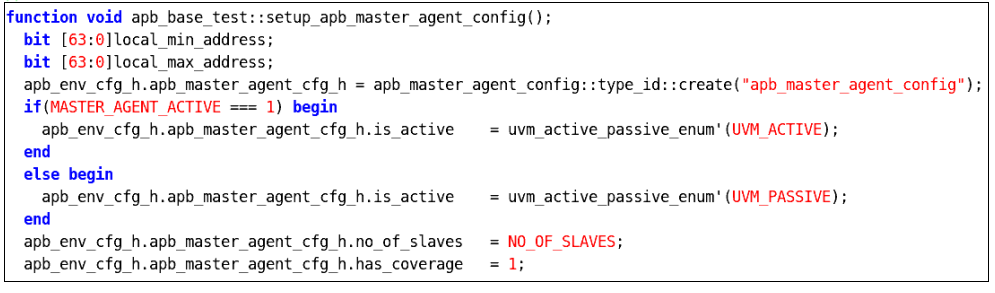
Fig 5.5.5: Local variable declaration in function
The function setup_apb_master_agent_config will start pushing the maximum and minimum address ranges to the respective associative arrays by adding a memory gap of 4 and making sure that start address is mod of 4 as shown in fig. 5.5.6.
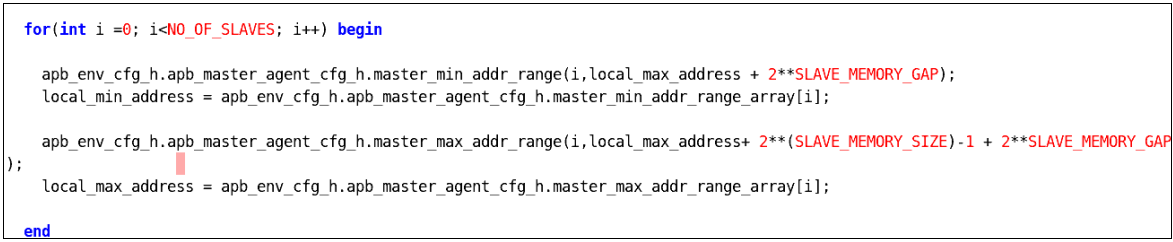
Fig 5.5.6: Memory mapping procedure in master agent configuration
In slave agent configuration, the slave max and min address range is declared as shown in fig. 5.5.7. Created the slave memory of type associative array so that each salve can store the data received from master with the respective address as key.
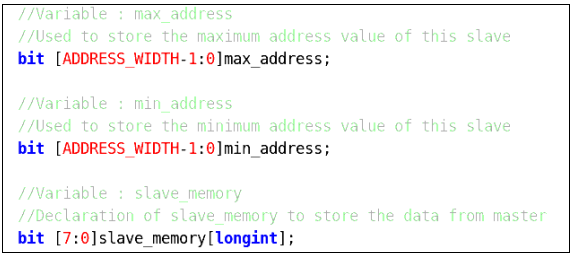
Fig 5.5.7: Declaration of slave max and min address range
Similarly for Slave, the mapping is done as shown in fig. 5.5.8. The same index value is mapped for the slave memory, so that the slave stores the data in the same address range for memory. Each slave’s minimum and maximum addressess are sent to the respective slave agent configurations from the stored maximum and minimum address ranges in the master agent configuration.
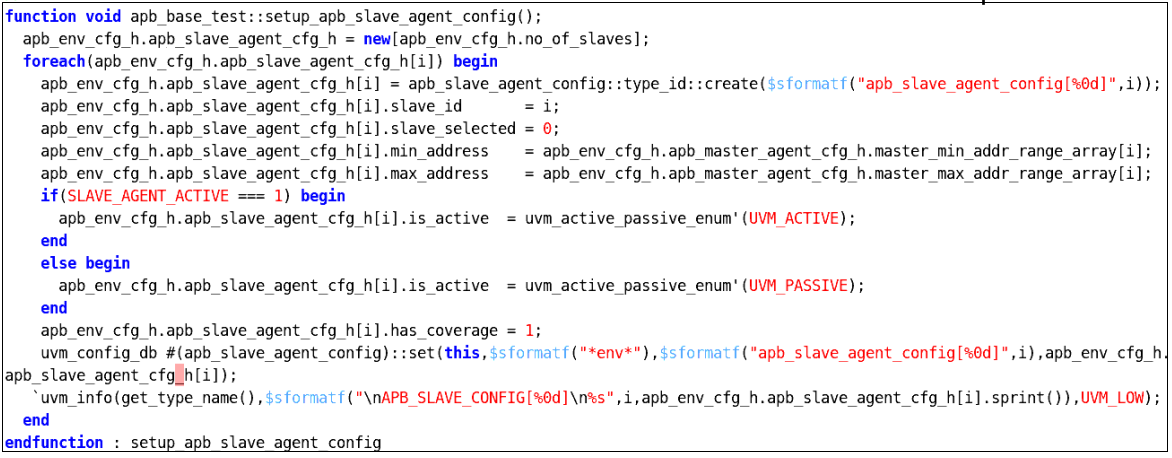
Fig.5.5.8: Memory mapping procedure in slave agent configuration
ENDIAN CONCEPT
Endian refers to the bytes order in which data is stored in the memory and also describes the order of byte transmission over a digital link.
Basically Endian comes in two types: Little endian and Big endian
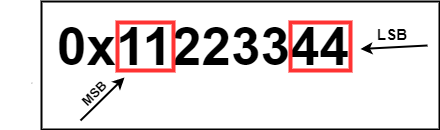
Fig. 5.6: Random Data indicating MSB and LSB bits
If your machine is big-endian then the MSB byte store first (means at lower address) and if the machine is the little-endian then LSB byte store first (means at lower address).
Big-endian
In big-endian MSB Byte will store first. It means the MSB Byte will store at the lowest memory address location as shown in table 1.
Table 5.6.1: Big-endian
| Address | value |
|---|---|
| 00 | 0x11 |
| 01 | 0x22 |
| 02 | 0x33 |
| 03 | 0x44 |
Little-endian
In the little endian machine, LSB byte will store first. So the LSB Byte will store at the lowest memory address as shown in table 2.
Table 5.6.2: Little-endian
| Address | value |
|---|---|
| 00 | 0x44 |
| 01 | 0x33 |
| 02 | 0x22 |
| 03 | 0x11 |