v0.5.14 - Latitude, AutoGen Studio, LobeHub, R2R, Caddy, RAGFlow, ClaraVerse, Qwen Code
Latest
Latitude
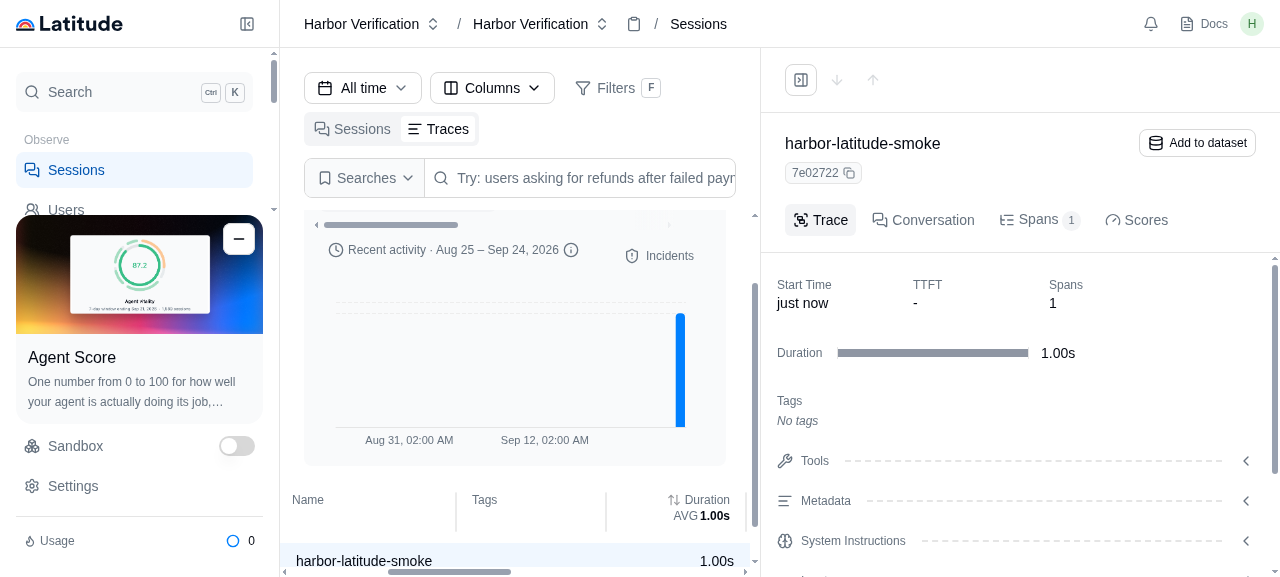
Self-hosted agent observability that collects traces, groups failures into signals, and runs evaluations, using the official single-host images with local datastores and a Mailpit inbox for sign-in.
harbor up latitudeAutoGen Studio
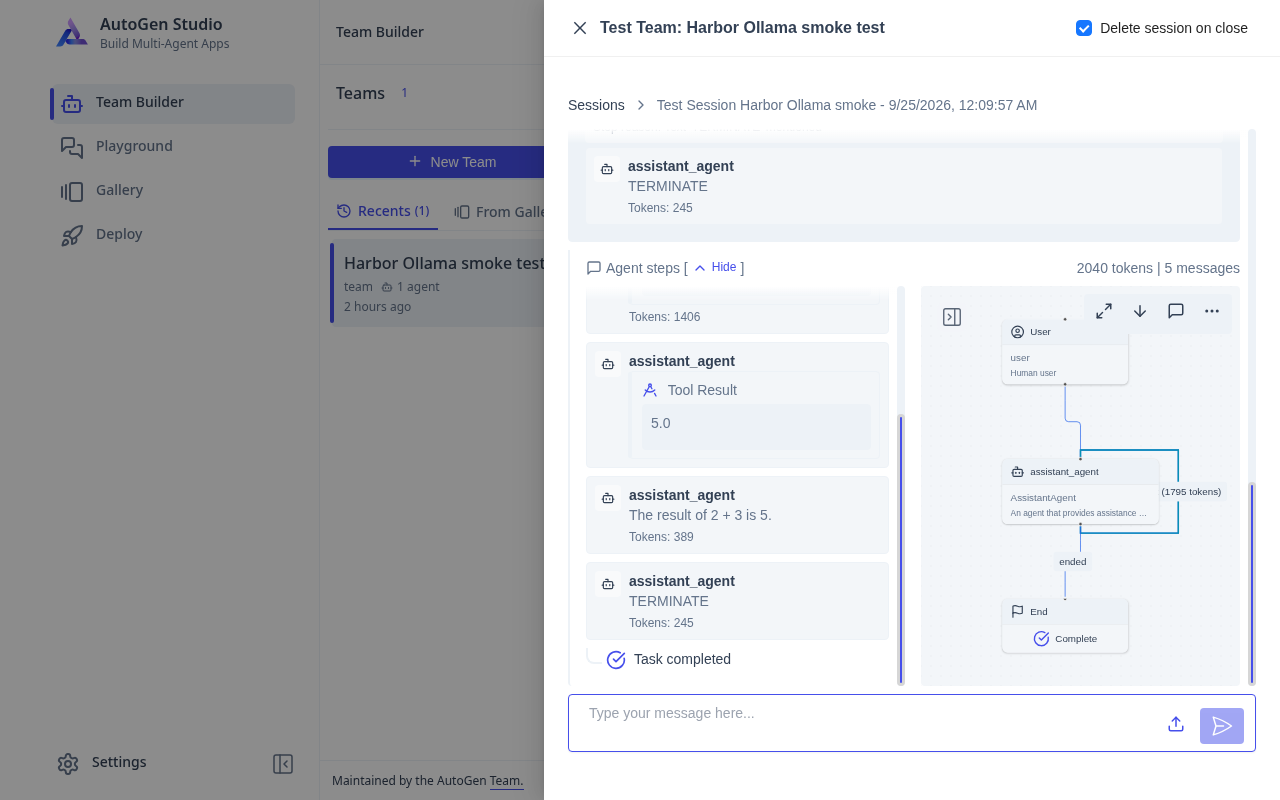
Low-code web UI for prototyping agents and multi-agent workflows, built from the published autogenstudio package and wired to Ollama.
harbor up autogenstudioLobeHub
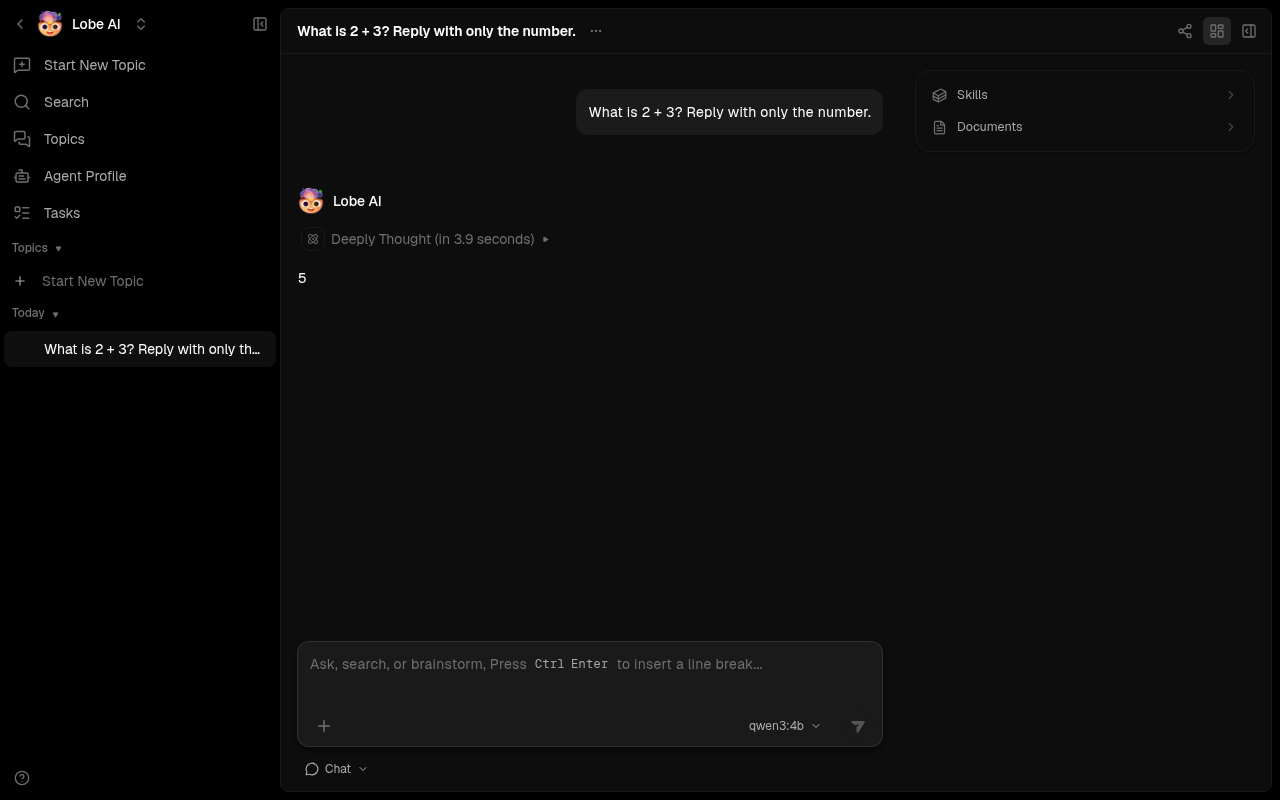
Database-backed successor to LobeChat with accounts, persistent chats in PostgreSQL, knowledge files in S3-compatible storage, and Ollama chat and embeddings. The existing lobechat handle stays as the browser-storage variant.
harbor up lobehubR2R
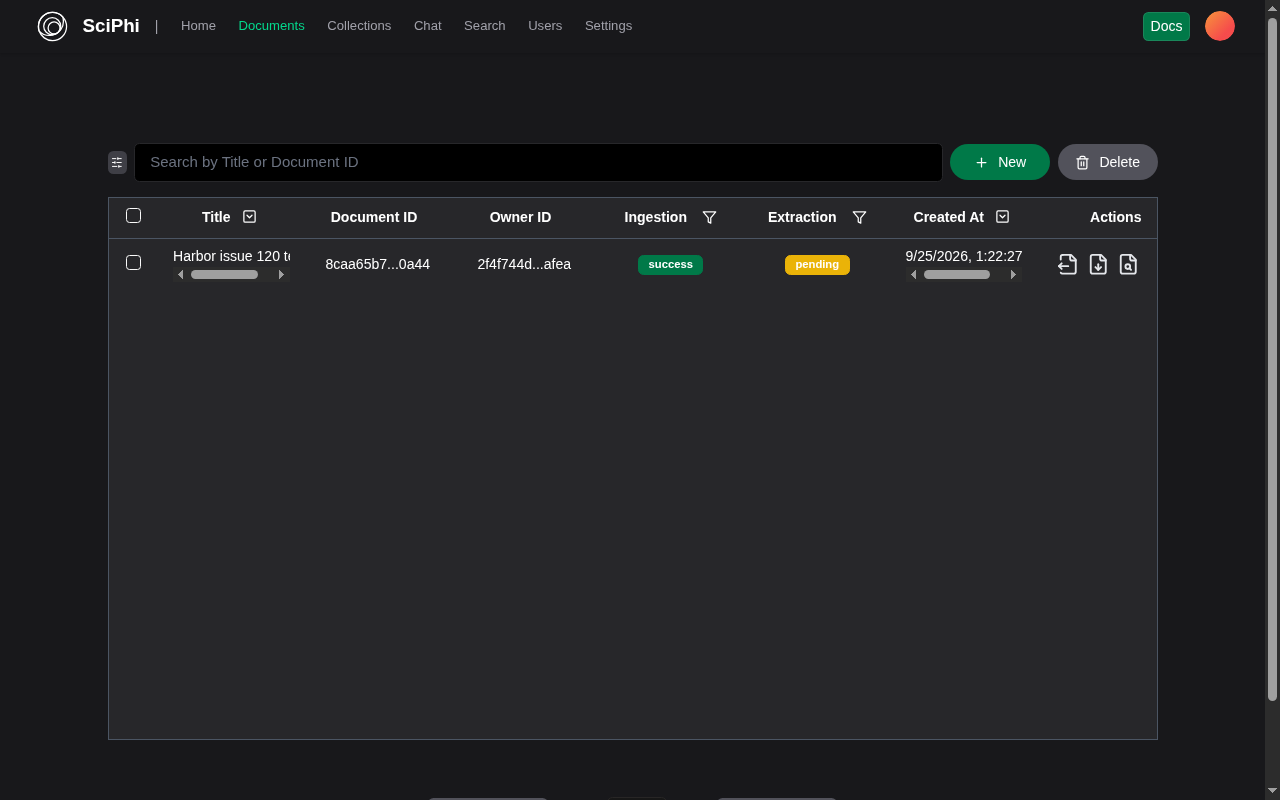
Document ingestion, semantic search and RAG answers with a dashboard, persistent pgvector database and graph clustering, backed by local Ollama models.
harbor up r2rCaddy
Reverse proxy with optional automatic HTTPS, started with a local-only health route and a user-selectable Caddyfile for the Harbor services you want to expose.
harbor up caddyRAGFlow
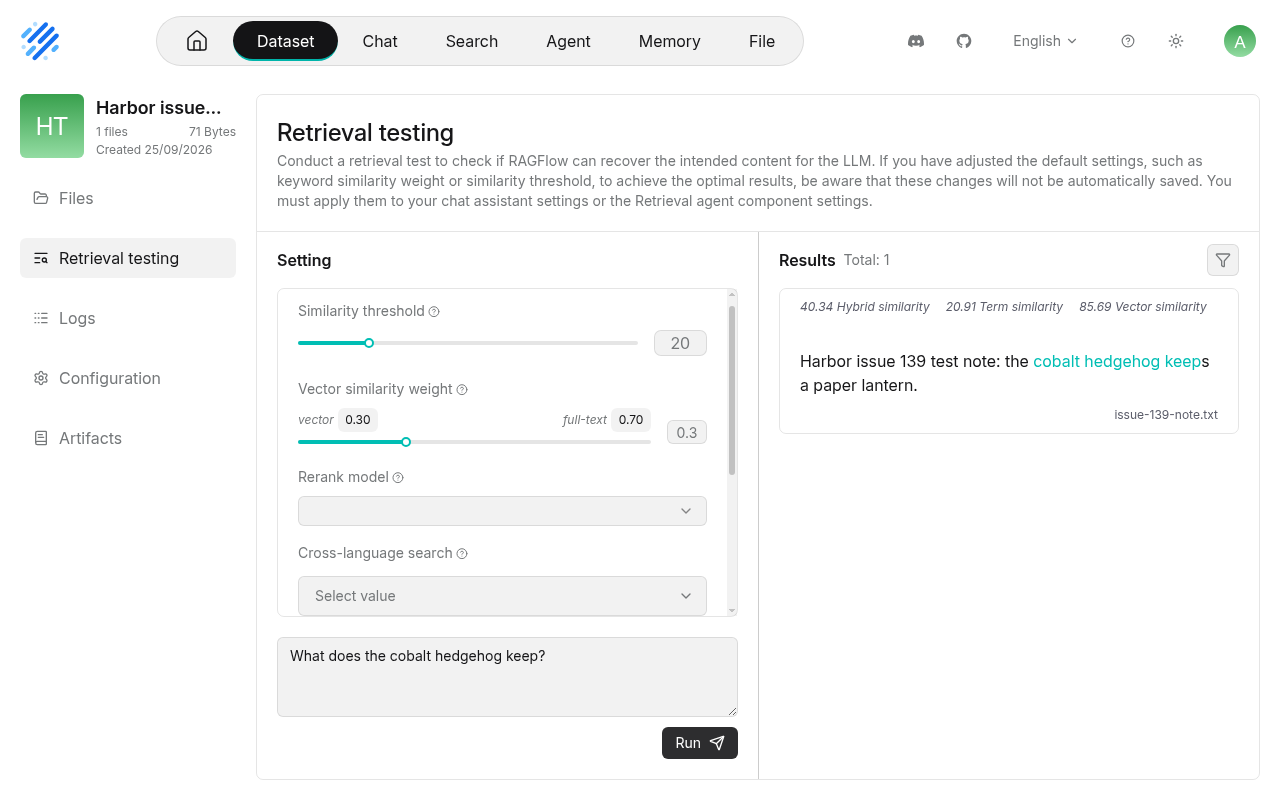
Document-focused RAG engine with parsing, datasets, hybrid retrieval and chat/agent workflows, packaged as upstream's CPU stack with persistent Elasticsearch, MySQL, S3-compatible storage and Valkey.
harbor up ragflowClaraVerse
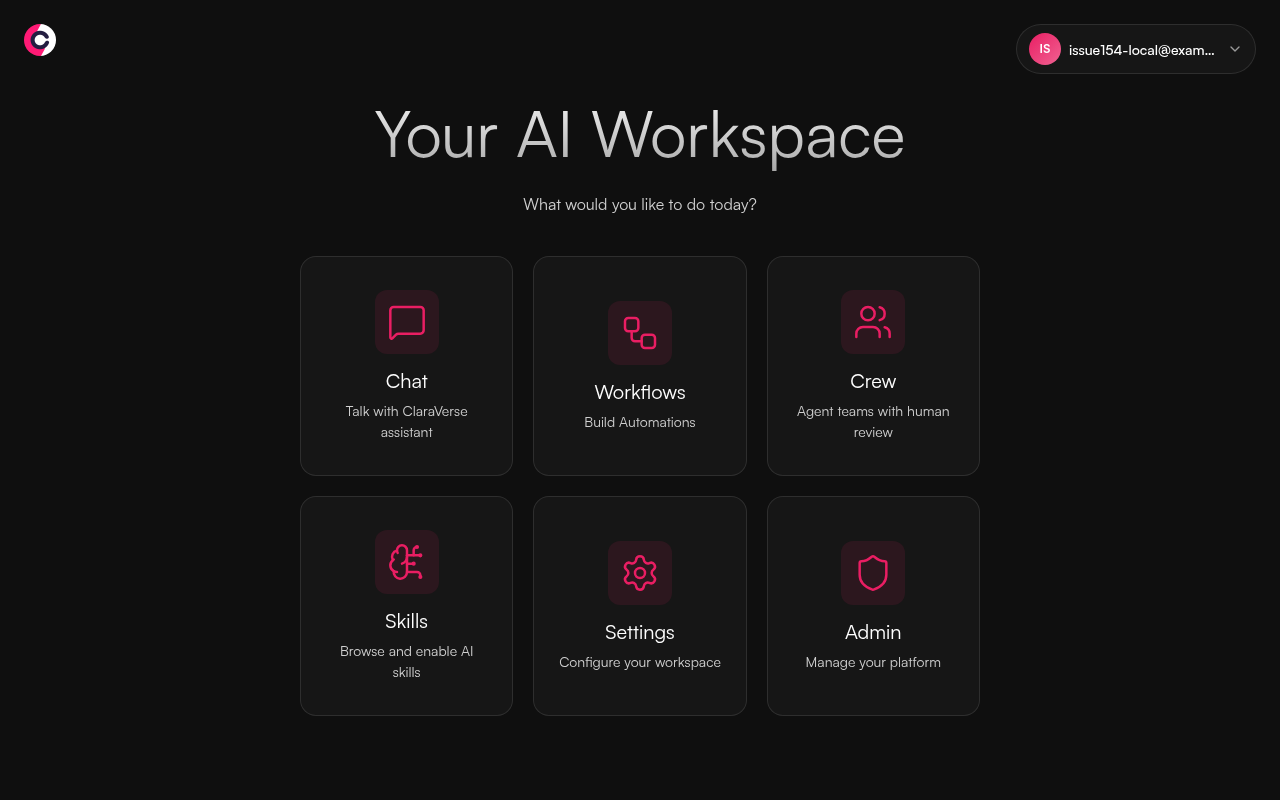
Private AI workspace for chat, agent teams and visual workflows, running the official image with persistent MySQL, MongoDB and Redis and Ollama model discovery.
harbor up claraverseQwen Code
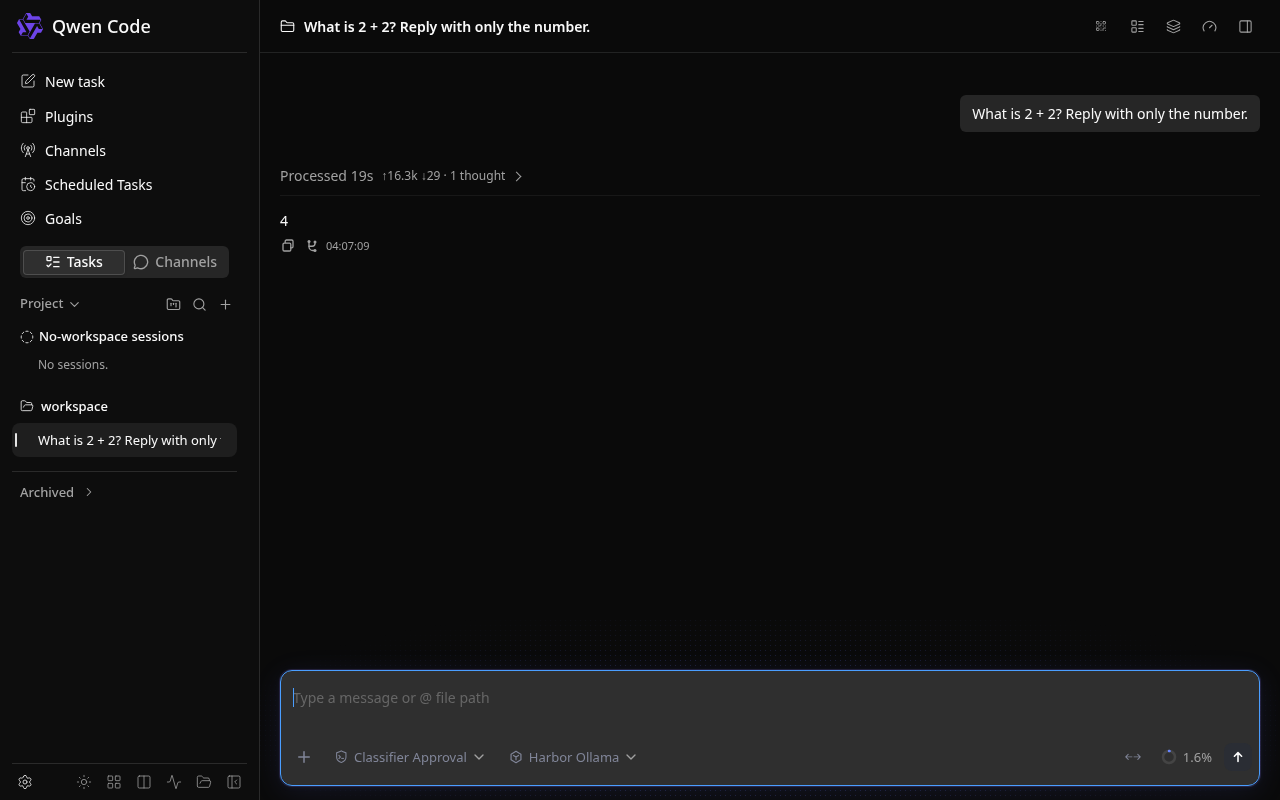
Coding agent with a terminal CLI and a browser Web Shell, running the official image with a persistent project workspace and Ollama integration.
harbor up qwencodeMisc
- Harbor can now run from a disposable Docker container via
scripts/harbor-docker.sh, with the workspace and caches at their host paths and the CLI acting as your user; see Installing Harbor. - Boost and Open WebUI can use an Ollama running outside Harbor, including one on the host, without starting the
ollamaservice. - Opt-in command wrappers let you call service CLIs such as
aiderdirectly from the shell, with collision protection and sync. - Deno routines can trust a custom CA certificate and use an alternate Docker network for proxied or restricted networks.
- The Ollama ROCm image tag can be pinned instead of tracking the rolling
rocmtag. harbor doctorno longer falsely reports ROCm from anlsmodpipe failure and detects built-in kernel modules.- Perplexica initializes correctly when opened from another machine on the LAN and its backend URL is configurable.
- AnythingLLM keeps its chosen chat and embedding models across
harbor restart. - OpenCode keeps manual and inline config and can discover models from an authenticated LiteLLM.
- The Harbor Agent image builds again on the current Webtop base.
- The Harbor App reads and writes profiles when the home directory is dot-prefixed.
- The last case-sensitive broken link in the docs is fixed.
Full Changelog: v0.5.13...v0.5.14