Getae
Three known ethnonym roots for PIEoneers: KURD > Kelts, Keltern 𓀩, 𓅻 Goths, Ghutti, gHatti 𓄂𓃠𓃬, Getae 𓆢 Kettelsen 𓌤𓄱𓄰 cattle 𓃒 𓋩𓏤 Shinti <> Kin ?
"Die Thraker sind nach den Indern das größte Volk"
Herodotes Terpsichore (5. book 3. paragraph page 410)
Geten und Trauser sind die wichtigsten Stämme dieses Volkes, deren Philosophen sich einzig den Griechen messen können.
Herodotes citation needed
Kurdish is an Indo-Germanic language and special for its central position in the Near East, it's old ties to Kurd, THE ethnonym for early PIEoneers, see Kelts, Goths, Ghutti, gHatti, Getae 𓀩 𓅻 ...
𓐍𓂧𓊛 North ⋍ Kurd => specific ethnonyms of many more or less related PIE 'northeners':
Kurd | Kelt | Gauls | Celts | Goth | Ghat | Hatti⋍Hittite | Gudea | Gutes | Geats
We postulate that all these ethnics are related in the sense that they all belonged to the Indo-Germanic / Indo-Arian branch of our PIE, with the exception of some Island-celts.
"Die Thraker sind nach den Indern das größte Volk"
Herodotes Terpsichore (5. book 3. paragraph page 410)
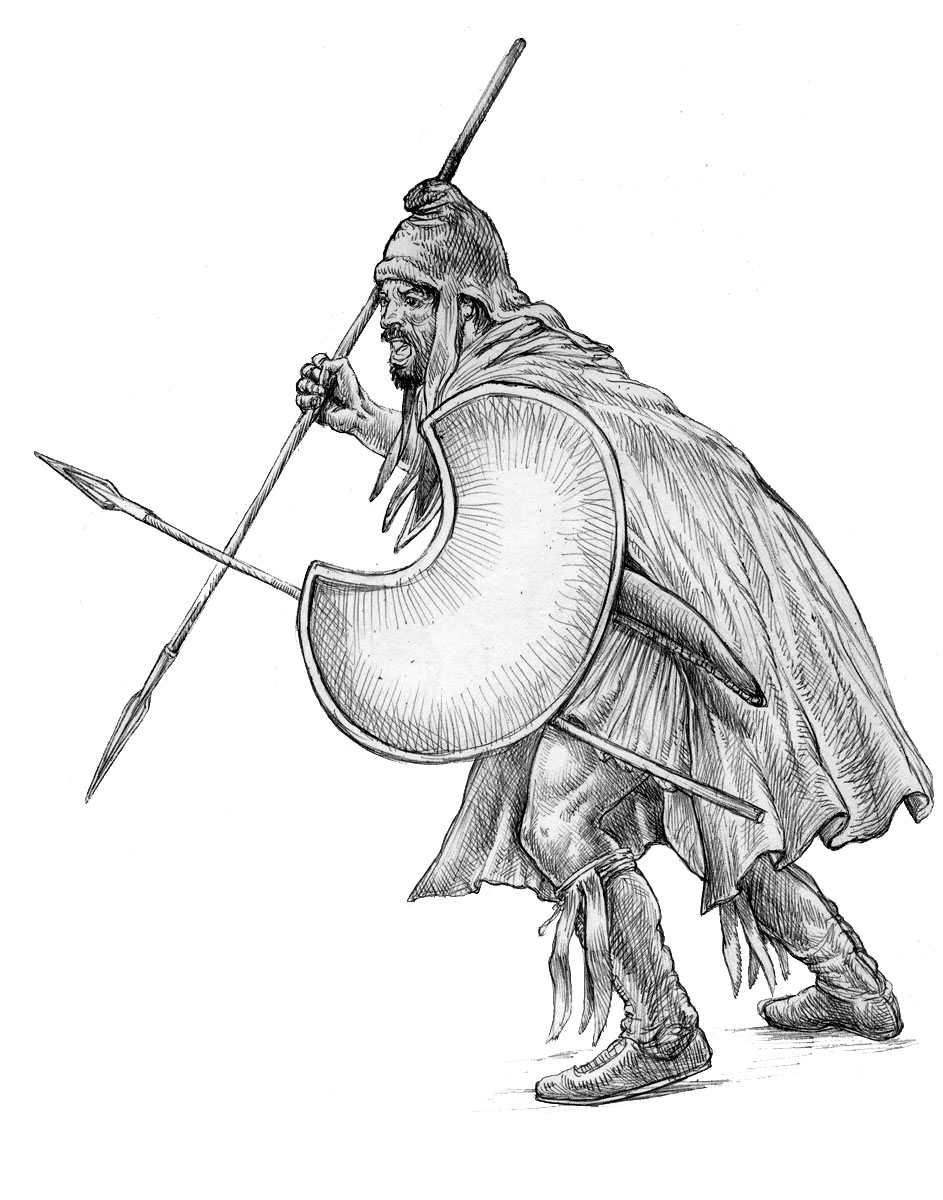
Thraker may refer to other northernes: Troyka TarTars Druids ...
'Turks' might have been more of a toponym than a ethnonym, just like not all Indi are Hindi (but most).
The Homeland of the Thracians was relatively clearly defined: Europe and the northern steppes (up to Tocharia?).
Being a very 'philosophic' people and in possession of chariots, we can infer that they must have been much more culturally advanced than commonly depicted. Interestingly the German wiki gives a very different first impression


To the English 'barbarian' depiction:
Obviously the borders of this people are depicted much too small, given that they were almost as populous as the Hindi and the density of their cities can't have been much higher than say the Persians'.
There might be other markers, if we can trust Herodotes and Egyptian depictions of races: Tatoos, body height, often red/blond hair, chariots, birds on ships, kurgans, and others.
Herodotus calls the Geti of Muntenia, Moldavia and the North of Bulgaria as well as the Dacians of the Carpathian Mountains "the bravest and the justest of all the Thracian tribes."
Several scholars, especially in the Romanian historiography, posit the identity between the Getae and their westward neighbours, the Dacians. Dutch ⋍ Deutsche ⋍ Gothen ⋍ Getae.
Customs of the Getae 500BC:
They consider themselves ἀθανατίζοντες 'unsterblich'.
Verkaufen Kinder in die Fremde (Sklaverei! Slaven Sklaven)
Frauenkauf von Eltern für hohen Preis
Vornehme tätowieren sich
Krieg und Raub größte Ehre
Einzige Götter Ares (Mars), Dionysos und Artemis
Verehrung von Hermes, "von ihm abstammend".
Ausstellung von Verstorbenen bis drei Tage nach Tod
Dann Leichenschmaus an Grabhügel mit Kampfspielen
Preise für Zweikämpfer
Nördlich von Thrakern = "Terra Inkognita" (Geheimhaltung) 'gehört den Bienen'. (𓆤 HorNeith symbol of North).
Jenseits des Istros (Danube) endlose Öde, dort leben Sigynner mit medischer Kleidung. Zigeuner Pferde zottig, schwache schnelle Ponnies vor Wagen. Land der Sigynner reicht nah an die (V)Eneter an der Adria. Wollen aus Medien stammen (confirmed now and clothes). Sigynner heißt Krämer bei den Ligyern, Lanze bei den Kypriern (German).
"Dessen Küste machte Megabazos den Persern untertänig"
Sesostris unterwarf in Europa Skythen und Thraker. Weiter kam Heer wohl nicht, denn in deren Lande sieht man solche Säulen noch, weiterhin aber nicht mehr.
Verstreutes Heer des Sesostris Kreuzzuges:
Egyptische Kolcher am Phasis. Sind offenbar Egypter "wovon ich längst überzeugt war, ehe ich es von anderen gehört hatte". Schwarze Haut und wolliges Haar, beschneiden sich. Phoiniker und Syrier in Palästina råumen ein, dass sie es von Egyptern/Ethiopiern gelernt haben. Sardonische Leinwände wie ägyptische.
https://de.wikipedia.org/wiki/Kolchis
Once a continental identity, the Goths later became the name of a very specific ethnic, just like the Dutch are specific even though in the big picture they belong to the much bigger *tewtéh₂ Teutonic branch (legendary Titans?):
The Geats (/ˈɡiːts/, /ˈɡeɪəts/ or /ˈjæts/)[1][2] (Old English: gēatas [ˈjæɑtɑs]; Old Norse: gautar [ˈɡɑu̯tɑr]; Swedish: götar [ˈjøːtar]), sometimes called Goths,[3] were a North Germanic tribe who inhabited Götaland ("land of the Geats")