-
Notifications
You must be signed in to change notification settings - Fork 0
20234 April 2023
Article Type: Release Notes Audience: All Users Module: Platform Releases
The 2023.4 Fuuz platform release is a big one, with a lot of changes and several significant, multi-month projects rolling out. Here are the major highlights.
This month's release includes a long-awaited new feature for the screen designer: web flows! Web flows are exactly what they sound like: data flows that run on the web. These are data flows that can interact directly with users and screens: prompting users for input, displaying notifications, changing form values, hiding and showing containers, and more. This system is designed to be a powerful, flexible, and easy-to-use replacement for the action system currently available on screens.
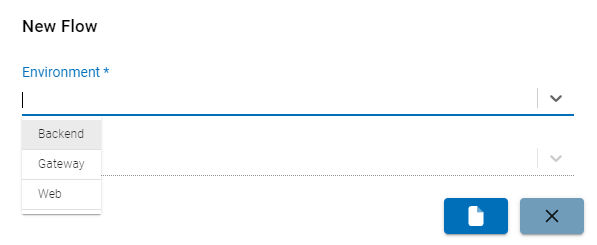
When creating a flow, users will now be presented with a new choice: the flow environment. The flow types previously available fall under the "Backend" environment; the new flow types fall under the "Web" environment. Once an environment is selected, users can select a flow type like they're used to.
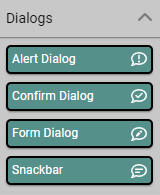
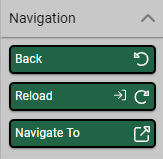
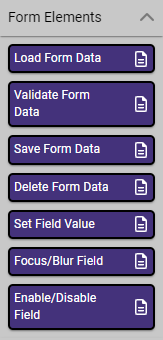
Once a user creates a web flow, new web flow-specific nodes become available in the toolbox, in addition to the core flow nodes you're used to.
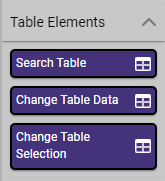
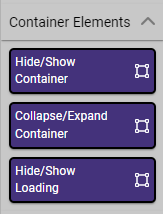
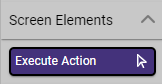
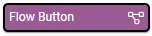
Once a web flow is saved, it can be used with the new Flow Button element in the Screen Designer; after dragging in the element, simply select the web flow to execute and (optionally) provide a payload. Flows can also be set up to run on page load at the screen level, or simply loaded in if they have schedule or event source nodes.
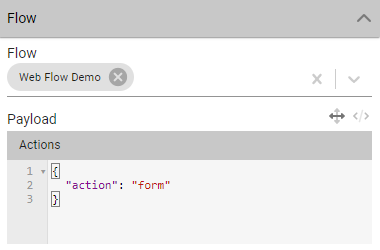
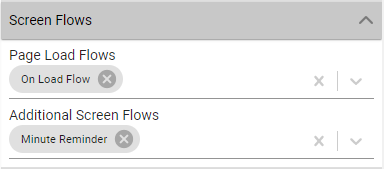
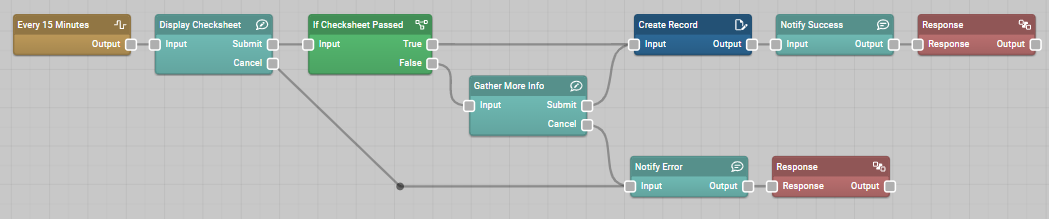
Combined with the flexibility of the screen designer, web flows allow app builders to create dynamic interfaces using the same visual programming system used for business logic, integrations, system events, and more. Here are a few quick snippets of flows to demonstrate possibilities:


As they're being developed, web flows can be tested in both the flow designer and in screens in which they're linked. Since they lack the context of a screen, any screen component nodes won't have an effect in the designer, but dialog and all core nodes can be quickly tested in the designer.
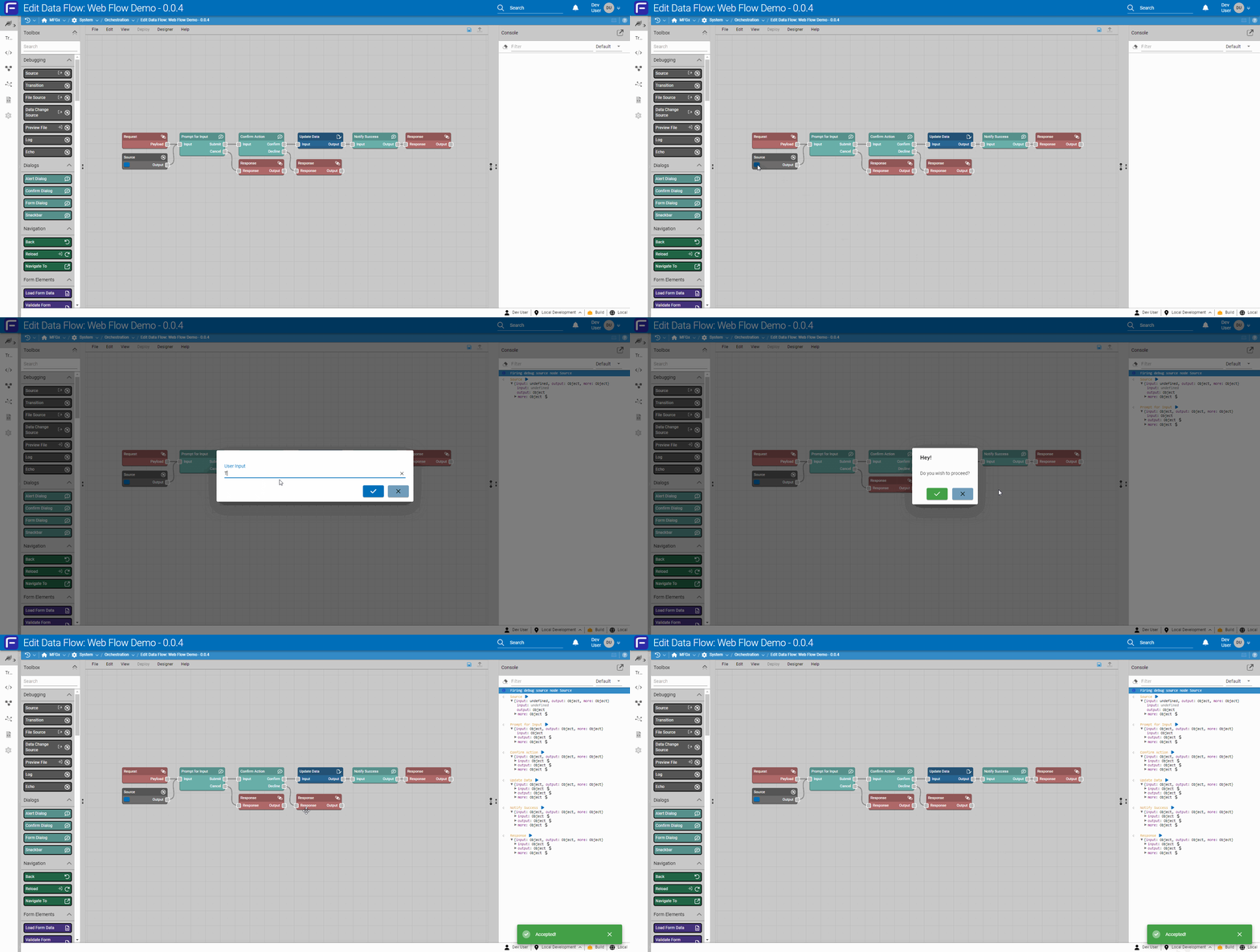
When a web flow linked to a screen is saved and that screen is open in another tab, Fuuz synchronizes the screen state in that other tab to allow flows to be tested during development in the context of the screen they'll be used in.

Web flows represent a significant and very powerful enhancement to the capabilities of the Fuuz UI system; we're looking forward to seeing what our users do with them!
The 2023.4 release also includes another generational leap forward: this time in the realm of packages. Our existing package management system has performed well since its release several years ago, but as our platform grew, it became apparent that there were several fundamental shortcomings we wouldn't just be able to patch over. Among these were the system's ability to handle very large packages, the level of attention required to build a package, and the difficulty of debugging packages when something didn't go according to plan. With these issues in mind, we started a project late last year to rebuild our package system from the ground up. I'm pleased to announce that project has completed and the updated system is rolling out with this month's release!
This updated package system comes with enormous improvements. First of all, building packages is now significantly faster and easier. The designer allows users to quickly pull in related data and records, allows users to quickly select all records from a type, and no longer requires users building packages to worry about the order of operations or dependencies.
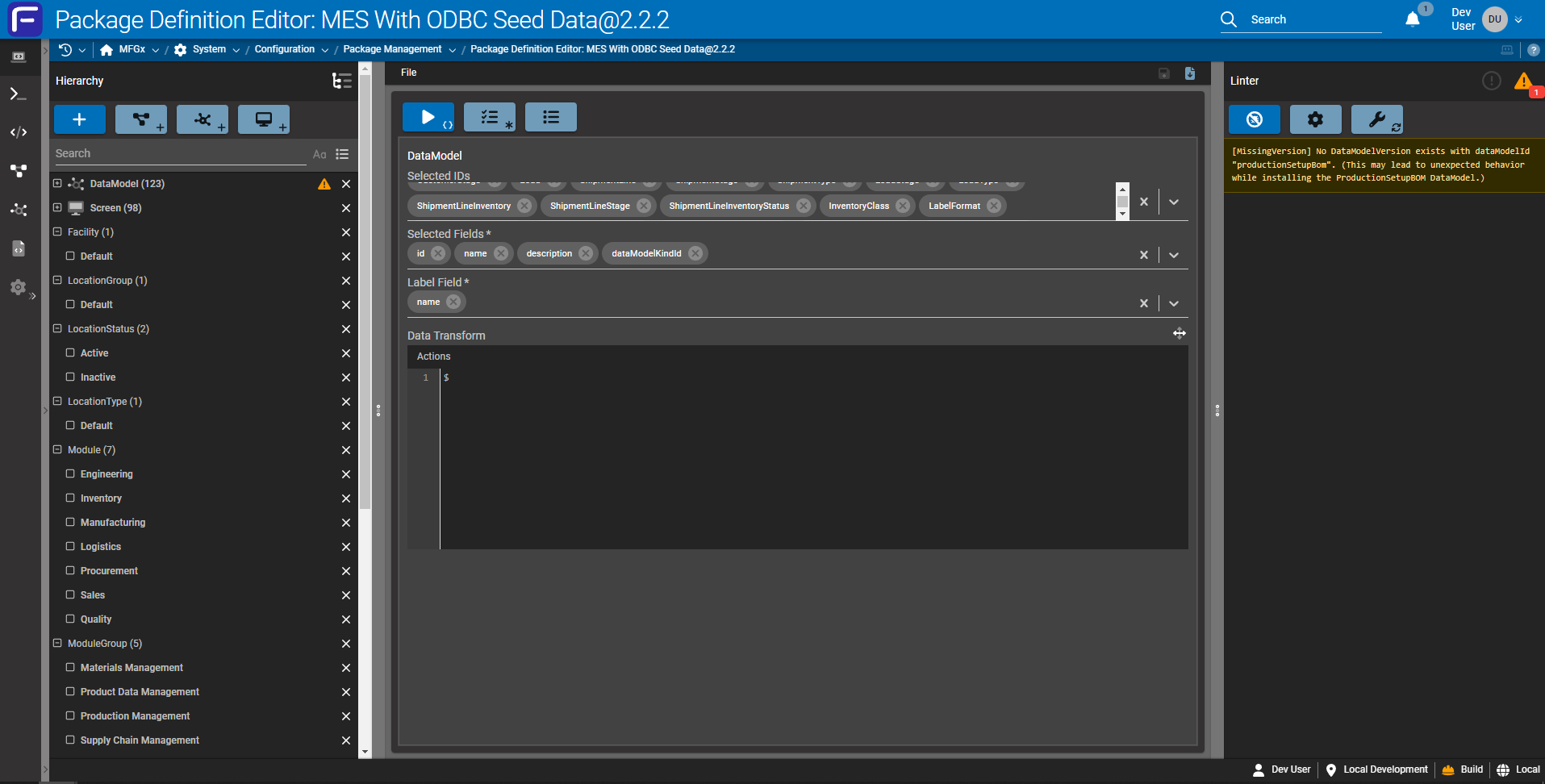
The package definition editor now validates ("lints") packages as they're designed to identify issues that might prevent the package from installing correctly, and enables one-click fixes to common issues.


The system also has dramatically improved logging and automatic error handling; some errors that would previously have failed to install are now able to automatically correct and continue installation. Combined with the package linting, there are very few situations where a package installation will fail in the first place; but if it does, detailed logs are available to help identify and correct what went wrong.

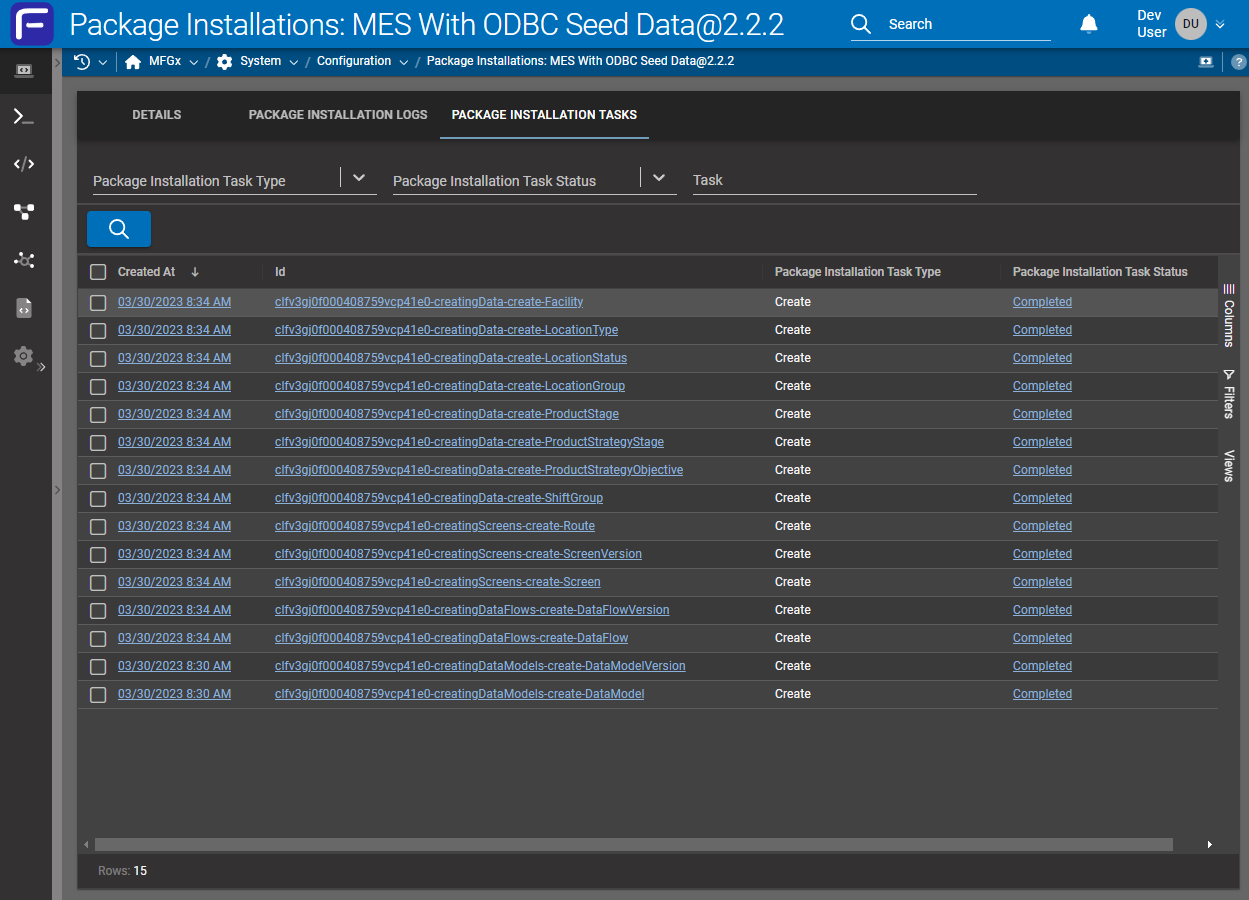
The new package management system allows users to upgrade packages - something we were never quite able to make work with the old system. The system will intelligently compare the package versions installed, determine what needs to change, and apply only those changes that are required.
The new package builder is named the Package Definition Editor; for the time being, the legacy package builder is still accessible, but has been renamed to "Package Builder (Deprecated)". We'll remove access to it in a future release. Both legacy and new packages are installed the same way they always have been, via the Fuuz Packages screen. We won't make plans to deprecate installing legacy packages until we're confident existing packages have been migrated.
April 2023 also brings an upgrade to the policy-based security system in Fuuz. The access control policy system has always allowed flexible, granular permissions to be applied to Fuuz APIs; this month, we're extending that system to screens as well. This allows administrators to define policies which restrict which screens users are allowed to access: if permission for a screen isn't granted, it won't appear in the system menu or search bar, and if they navigate directly to the URL, the system will display an error as though the screen in question doesn't exist.

Screen access can be granted individually, to entire modules or module groups, or any combination of those, just like API access.
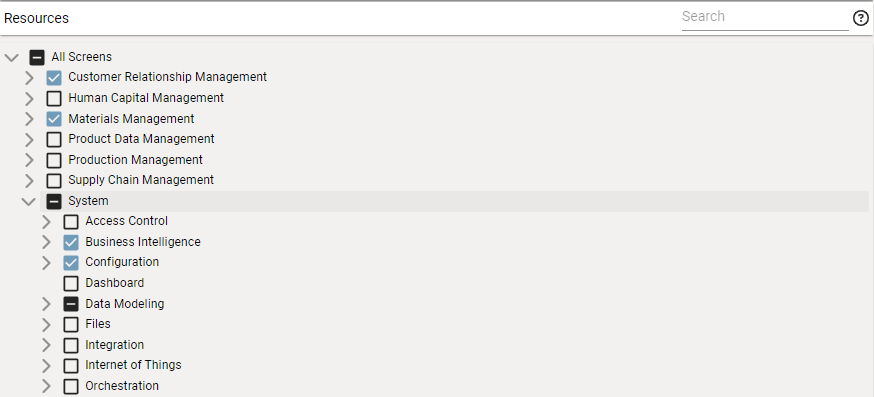
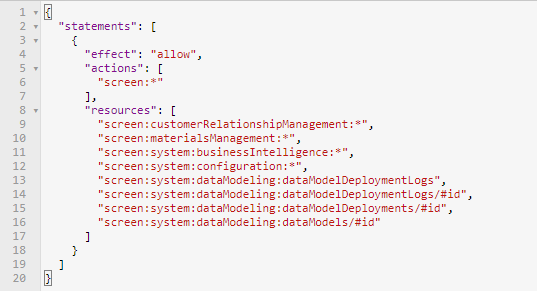
Before this update, administrators could apply permissions to the APIs used by a screen so users would receive permission errors when attempting to retrieve or edit data, but not to the screens themselves. This enhancement allows administrators to narrow the list of screens end users are allowed to access, reducing noise in the menu and search system and eliminating potential confusion. This enhancement doesn't eliminate the need to apply permissions to API access - we still recommend administrators start there when building policies to ensure users aren't able to wiggle around security - but it helps streamline the interface for the end user.
Included in this month's release is a new driver for the Edge Gateway: an HTTP Server driver. This driver is the first of a new class of drivers whose responsibility is to listen for commands from within a network and relay them up to Fuuz. This driver has two modes of operation: HTTP relay endpoints and HTTP POST device subscriptions.
These endpoints are configured on the device and create an HTTP endpoint that relays requests to a data flow via the Request/Response system. Endpoints relay all HTTP methods, and the payload includes the request method, headers, and body data. The flow response is returned to the HTTP request. This system allows Fuuz data flows to act as handlers for HTTP requests issued from within your internal network.

These endpoints are configured as device subscriptions and allow Fuuz data flows to subscribe to POST requests using Device Subscription nodes. In this configuration, the system issuing the POST request does not receive a response from the data flow. This approach support asynchronous fire-and-forget systems like webhooks issued from systems within your internal network.
Also included in this month's release are improvements to the Data Models API and screen to provide better information about data storage utilization in Fuuz. The existing data size and record count fields have been updated to provide more meaningful estimates of utilization, and additional fields have been added to report the utilization of data change collections if DCC is enabled. This information will help administrators plan for and understand usage-based billing charges and plan changes to data retention or ingestion processes to reduce usage if needed.

The April 2023 release of the Fuuz platform includes some broad changes to our service configuration to further minimize potential disruption caused by system scaling and deployments. During deployments and periods of high load, Fuuz automatically provisions additional resources to ensure service availability; these improvements ensure when these additional resources are no longer required, pending requests are allowed to complete before the resources are terminated. This further reduces the chance that users or data flows will encounter transient errors and makes deployments and scaling seamless.
- Added "Collapse All" toggle to toolbox to collapse or expand all groups
- Added "Include Fields" toggle to toolbox to control whether search also searches field names and descriptions
- Updated "Label Field" input to only display fields with valid types
- Added feature to automatically update relation metadata when relation ID fields are renamed
- Added "Data Change Capture" option to data model fields
- Updated layout and styles on system fields section to improve readability
- Added option to prevent recent password reuse
- Updated creation for roles, policies, and policy groups to use camel case name as ID
- Added support for limiting access to screens via access control policies
- Added ability to delete users if the user has never signed in, has no API keys assigned, and is not an enterprise administrator
- Corrected a bug that could arise during user creation if a policy or group was selected then removed
- Updated Data Models screen to display more detailed and accurate information on data model storage size and record count
- Updated max memory configuration for Redis replicas
- Upgraded service mesh to latest version
- Implemented a variety of tweaks to minimize noise in log collection
- Implemented improved termination behavior for services to reduce disruptions from autoscaling and deployments
- Updated some log calls which previously used an incorrect signature
- Added gateway-deploy utility to support metadata upload
- Unified device subscription setup to support store and forward on any device subscription
- Addressed various bugs and stability issues with the Edge Gateway Service beta
- Added HTTP Server driver
- Added SAP RFC driver beta
- Updated PLC driver to improve error handling and fix minor bugs
- Re-added previously removed device subscription form
- Added release channels and Edge Gateway Service to Fuuz Apps screen
- Corrected an issue with some data flow log paths
- Added support for testing mutex nodes in the flow designer
- Added
diffDataFlowVersionquery to analyze differences between data flows or data flow versions - Updated data flow deployment logs to utilize a tiered TTL based on log level: 2 days for debug & trace, 2 weeks for info and warn, and 2 months for error and fatal
- Added a Webhook source node for events received on webhook-accessible topics
- Updated Dynamics 365 connector to support custom headers on requests
- Added new package management system to better handle large, complex packages and updates
- Added new Package Definition Editor to build packages for new system
- Renamed legacy package builder to "Package Builder (Deprecated)"
- Updated Data Flow Models screen to gracefully handle data flows with syntactically incorrect GraphQL statements
- Updated topics to add a "Webhook Accessible" property which determines if the topic can receive publish commands through the webhook API
- Added environment type (build, QA, or production) to system email footer
- Corrected a bug with code blocks in Markdown editor/display components
- Added a "Select All" checkbox on the field picker input
- Updated icon/action buttons to correctly apply hover effects when a custom color is selected
- Corrected an issue with
datetype table columns overlapping adjacent cells
- Added card data to screen context to better support tables in cards
- Updated label and description for "Block Navigation When Dirty" setting on forms
- Updated screen creation to use camel cased name as ID
- Added "Collapsed by Default" option for collapsible container elements
- Added
collapse,expand, andtoggleCollapsefunctions for container elements - Added "Default to Display Mode" option for Markdown and Rich Text elements
- Added "Select Multiple Rows With Click" option to tables to allow row multi-select by clicking anywhere on a row, rather than just the selection checkbox
- Added "Select Time of Day" option to Date inputs to control the time of day of the selected value
- Added a static image preview for visualization elements
- Added support for JavaScript in frontend transforms
- Updated FullCalendar library to latest version
- Added framework, designer, and canvas screen support for web flows
- 20233-March-2023
- 20235-May-2023
- 20231-January-2023-2023-Releases-2
- 2022-Q4-Fuuz-Release-Notes-v31070-v31090-10-27-2022
Source: support.fuuz.com
Getting Started (14)
- Access Field Level Help within the Fuuz Platform
- Field-Level Help
- Fuuz Platform 101: Low/No-Code Technology in Manufacturing
- Fuuz Platform Architecture
- Getting to Know the Fuuz Platform
- Logging into Fuuz – Cloud Access
- Manage what displays in Field Level Help throughout Fuuz
- Recovering Your Fuuz Account
- Sharing A Page
- Switching Between Apps in Fuuz
- Switching between Fuuz Environments (Build, QA, Production)
- Trouble Logging Into Fuuz
- Unique Email Plus Addressing
- Welcome To Industry Accelerators!
Training Guides (52)
Applications
- Brand and Configure Your Application
- Create an Application
- Deactivate (Retire) an Application
- Find Pages Beyond the Left Menu
- Install a Fuuz Package
- Navigate the Application Designer
- Retire an Application
Access & Users
- Approve Access Requests
- Approve Application Access Requests
- Configure the Internal Password Policy
- Create a Role
- Create an API Key
- Deactivate and Reactivate a User
- Grant Permissions with Policies
- Investigate Login Activity
- Invite a User to an Application
- Manage App Users
- Request Access to an Application
- Switch Applications, Roles, and Environments
- Understand Developer Access
- Understand Web Access
- Use the User Menu (Profile, Theme, and More)
Data Models & Schema
- Add a Custom Field
- Create a Data Model
- Create a Sequence
- Design Model Fields in the Schema Designer
- Relate Two Data Models
Screens
Weather Lookup Series — guided 3-part build
- Part 1 · Build the Screen (Beginner)
- Part 2 · Store the Readings (Intermediate)
- Part 3 · Watched Locations & Scheduled Capture (Advanced)
Data Flows & Integrations
- Call an External API with a Flow
- Connect to External Systems
- Create a Data Flow
- Create a Notification Channel
- Create a Webhook
- Save Queries, Scripts, and Data Mappings
- Schedule a Data Flow
- Use the Script Editor
Data, Reporting & Monitoring
- Browse Data with Data Explorer
- Build a Document (Report or Label)
- Check Component References
- Create Configuration Records (Modules, Units, Calendars, and More)
- Explore the GraphQL API
- Export Data
- Import Data into an Application
- Investigate Application Logs
- Save an Export Configuration
- Trace a Data Change
Enterprise & Organizations
Platform Concepts & Architecture (10)
- Bridging the Red and Blue Data Divide - How Fuuz Became the First Industrial Platform to Merge Operational and Business Intelligence
- Claude AI Skills for the Fuuz Platform
- Cool Things we built with Fuuz Episode 1 12.5.2025 (Public)
- Differences between MES and ERP from an ERP Consultant Eric Kimberling
- Fuuz can be your "Connected Worker Platform"
- Listen and Learn what MES is and what makes it unique
- Manufacturers struggle with Build versus Buy for their MES and what are the Core 4 Elements
- Stock Price Application
- Why All Manufacturers Build their MES System Part 1
- Why All Manufacturers Build their MES System Part 2
Screens & Application Design (17)
- Application Designer Guide
- Array Input
- Combobox
- Dynamic Field Configurations
- Fuuz Deployment Methodologies
- Fuuz Form Detail Screen Specification
- Historical Data Table Screen Design Standard
- JSON
- JSON Form Fields in Action Steps
- JSON Schema Inputs
- Master Data Table Screen Design Standard
- Mobile Screen Design Standard
- Screen Context Container
- Screen Generation (AI) Flow Template V1.5.1
- Setup Data Table Screen Design Standard
- Table Column Conditional Formatting
- Transform Data in a Column
Data Models & Schema (8)
Data Flows & Scripting (51)
Designing Flows
- Data Flow Design Standards
- Data Flow Logs
- Debugging and Testing our Fuuz Data Flows
- Flow Schedules
- Fuuz Data Flows enable DataOps at Scale, ETL, iPaaS and more
- How to Create APIs Using Data Flows in Fuuz
- How To General E-Commerce Integrations using Data Flows in Fuuz iPaaS
- How to Setup a daily file import using Fuuz Data Flows
- Managing Large Datasets in Fuuz: Data Flow Engine Performance Optimization
- The Power of Data Flows - Unlocking Industrial Intelligence with Fuuz
- Using Fuuz with FTP integrations and Data Flows iPaaS
Data Flow Nodes
- Data Flow Nodes Reference
- Debugging & Context Nodes
- Flow Control Nodes
- Fuuz Platform Nodes
- IIoT & Gateway Nodes
- Integration Nodes
- Notification Nodes
- Source & Trigger Nodes
- Transform Nodes
JSONata Reference
- Aggregation Functions
- Array Functions
- Boolean Functions
- Boolean Operators
- Comparison Operators
- Composition
- Construction
- Constructs
- Custom Fuuz Only JSONata Library
- Date Time Functions
- Date Time Processing
- Expressions
- Fuuz Bindings: $predicateFilter
- Higher Order Functions
- Jsonata Tutorial
- Numeric Functions
- Numeric Operators
- Object Functions
- Other Operators
- Path Operators
- Predicate Expressions
- Processing Model
- Regex
- Simple Queries
- Slow Transform Performance: JSONata vs JavaScript Optimization Guide
- Sorting Grouping and Aggregation
- String Functions
Scripting
Integrations & Connectors (30)
General & iPaaS
- API Keys
- Cloud Connectors - Complete Reference Guide
- Connecting a CRM with your ERP using Fuuz
- Connecting a Vending Machine to your ERP system using Fuuz
- Creating a Scheduled Integration & Sending a CSV File in an Email
- Debug a NetSuite SOAP API integration
- Fuuz Connections help you integrate your Systems and Devices
- Fuuz has lists of Connectors and Drivers you can use
- Fuuz has pre-built integration Connectors
- How to create a check an ODBC connection with another system
- How to Create a RESTful API Using the Fuuz Platform
- How to create a simple Integration and Store data in Fuuz
- How To Design or Configure Policies and Policy Groups for my App in Fuuz
- How to Integrate Fuuz with another product or another API
- How to Integrate with an HR system like ADP using Fuuz iPaaS
- How to use API Explorer and GraphQL to Query Data in Fuuz for Beginners
- How you Integrate your ERP with your MES
- Industry 3 and Industry 4 differences in ERP and MES Integrations
- Integrated Carrier Package
- Make REST-Based Calls With An API Key
- Policy Groups
- System connectivity validation - testing a connection when your 3rd party moves its hosting
- Using Fuuz as an iPaaS to Connect - to an API, Collect - Data from the API, Store - that data in Fuuz tables
Plex
- How to connect using Plex UX datasources from Fuuz iPaaS
- How to integrate with Plex Classic using Fuuz iPaaS
- How to Setup and Connect to Plex APIs
EDI
IIoT & Edge Gateway (18)
- Edge Connections: Complete Industrial Integration Reference
- Edge Gateway Flows
- Edge Gateway Installation Step-by-Step
- Edge to Cloud Infrastructure
- Gateway Deployment & Architecture
- Gateway System Requirements
- How IIoT fits into the Industrial Data "Stack"
Physical Device Connectors
- Connecting To Kepware OPCUA Server
- Fanuc Robot Connectivity using Edge Gateway
- HMI Template Standard - ISA-101 Compliant
- How to connect OPC/UA simulator to the Edge Gateway
- Modbus TCP
- MQTT
- Omron PLC/HMI NX102 Connectivity with Edge Gateway
Edge Data Connectors
Reporting, Documents & Dashboards (8)
- Building a Non-Conformance Report (NCR) Application in Fuuz
- Create responsive structured dashboard layouts using the Grid Container and Grid Cell components
- How to add visualizations (charts and graphs) to reports in Fuuz for Beginners
- How to build real-time reports in Fuuz from scratch for Beginners
- How to modify existing reports in Fuuz for Beginners
- Non-Conformance Report Accelerator
- Printing Documents
- Printing Documents From Fuuz
Administration & Access Control (27)
- Access Control
- Access Requests
- Access Requests: Overview
- Access Type Overview
- Access Types
- Add Users to Fuuz Apps
- App Admin Access
- App Management
- App Users
- Applications (Tenants)
- Authentication Events
- Change a User's Access Type
- Configurations
- Create Users and Set Access Type
- Enterprise Admin Overview
- Enterprise Users
- Enterprise Users vs Access Requests
- How To Login to your Fuuz Enterprise - Non Single Sign On
- How To Login to your Fuuz Enterprise - Single Sign On
- Identity Providers
- Notifications
- Notifications
- Organizations
- Roles
- Settings
- Switching my active Role within Fuuz
- Troubleshooting User Login Errors Due to Identity Provider Misconfiguration
Data Management (8)
Accelerators, Templates & Packages (8)
- Create a Quality Batch Golden Record Analysis Tool in Fuuz
- Fuuz Developer 101 Bootcamp - 2026 Schedule & Enrollment
- Fuuz Developer 101 Bootcamp - Program Overview
- Fuuz Industry Accelerators - Installation & Best Practices
- Fuuz Industry Accelerators - Overview
- How-To: Managing Green/Blue Deployments with Fuuz Package Management Zero-Downtime
- Model Agnostic Scheduling System APS
- Setting up In-House Fuuz
Design Standards (1)
How-To Guides (8)
- Connecting to Fuuz from a remote system to execute a Fuuz API
- Connecting to Fuuz from a remote system to execute a Fuuz API - Extended Features Part 2
- Data Mapping
- Document your Application using Atlassian Confluence and our Pre-Built App
- Fuuz Platform Capabilities
- How to add multiple data records to the Fuuz database with a single API call
- How to on Best Practices for Designing Flows in Fuuz
- Using the Transformation Explorer
FAQ & Troubleshooting (1)
Release Notes (117)
2026
- 2026.1 (January 2026)
- 2026.2 (February 2026)
- 2026.3 (March 2026)
- 2026.4 (April 2026)
- 2026.5 (May 2026)
- 2026.6 (June 2026)
2025
- 2025.1 (January 2025)
- 2025.10 (October 2025)
- 2025.11 (November 2025)
- 2025.12 (December 2025)
- 2025.2 (February 2025)
- 2025.4 (April 2025)
- 2025.5 (May 2025)
- 2025.6 (June 2025)
- 2025.7 (July 2025)
- 2025.8 (August 2025)
- 2025.9 (September 2025)
2024
- 2024.1 (January 2024)
- 2024.10 (October 2024)
- 2024.11 (November 2024)
- 2024.12 (December 2024)
- 2024.2 (February 2024)
- 2024.3 (March 2024)
- 2024.4 (April 2024)
- 2024.5 (May 2024)
- 2024.6 (June 2024)
- 2024.7 (July 2024)
- 2024.8 (August 2024)
- 2024.9 (September 2024)
2023
- 2023.5 (May 2023)
- 2023.1 (January 2023)
- 2023.10 (October 2023)
- 2023.11 (November 2023)
- 2023.12 (December 2023)
- 2023.2 (February 2023)
- 2023.3 (March 2023)
- 2023.4 (April 2023)
- 2023.6 (June 2023)
- 2023.7 (July 2023)
- 2023.8 (August 2023)
- 2023.9 (September 2023)
2022
- 2022 Q1 Fuuz Package Updates (03/11/2022)
- 2022 Q1 Fuuz Release Notes v3.87.0 (03/17/2022)
- 2022 Q1 MFGx Release Notes v3.78.0 (01/06/2022)
- 2022 Q1 MFGx Release Notes v3.79.0 (01/13/2022)
- 2022 Q1 MFGx Release Notes v3.80.0 (01/20/2022)
- 2022 Q1 MFGx Release Notes v3.81.0 (01/27/2022)
- 2022 Q1 MFGx Release Notes v3.82.0 (02/03/2022)
- 2022 Q1 MFGx Release Notes v3.83.0 (02/10/2022)
- 2022 Q1 MFGx Release Notes v3.85.0 (02/28/2022)
- 2022 Q2 Fuuz Release Notes v3.90.0 (04/14/2022)
- 2022 Q2 Fuuz Release Notes v3.91.0 (04/21/2022)
- 2022 Q2 Fuuz Release Notes v3.92.0 (04/28/2022)
- 2022 Q2 Fuuz Release Notes v3.93.0 (05/06/2022)
- 2022 Q2 Fuuz Release Notes v3.94.0 - v3.97.0 (June 13, 2022)
- 2022 Q2 Fuuz Release Notes v3.98.0 (06/16/2022)
- 2022 Q2 Fuuz Release Notes v3.99.0 (06/30/2022)
- 2022 Q3 Fuuz Release Notes v3.100.0 🎉 (07/06/2022)
- 2022 Q3 Fuuz Release Notes v3.101.0 (07/21/2022)
- 2022 Q3 Fuuz Release Notes v3.102.0 (08/11/2022)
- 2022 Q3 Fuuz Release Notes v3.103.0 (08/18/2022)
- 2022 Q4 Fuuz Release Notes v3.107.0 - v3.109.0 (10/27/2022)
2021
- 2021 Q1 MFGx Release Notes v3.29.0 (1/7/2021)
- 2021 Q1 MFGx Release Notes v3.30.0 (1/14/2021)
- 2021 Q1 MFGx Release Notes v3.34.0 (2/4/2021)
- 2021 Q1 MFGx Release Notes v3.37.0 (2/26/2021)
- 2021 Q1 MFGx Release Notes v3.38.0 (3/5/2021)
- 2021 Q1 MFGx Release Notes v3.40.0 (3/25/2021)
- 2021 Q1 MFGx.io Release Notes v3.32.0 (1/21/2021)
- 2021 Q1 MFGx.io Release Notes v3.33.0 (1/28/2021)
- 2021 Q2 MFGx Release Notes v3.41.0 (4/1/2021)
- 2021 Q2 MFGx Release Notes v3.42.0 (4/8/2021)
- 2021 Q2 MFGx Release Notes v3.43.0 (4/16/2021)
- 2021 Q2 MFGx Release Notes v3.44.0 (4/22/2021)
- 2021 Q2 MFGx Release Notes v3.45.0 (4/29/2021)
- 2021 Q2 MFGx Release Notes v3.47.0 (5/13/2021)
- 2021 Q2 MFGx Release Notes v3.48.0 (5/20/2021)
- 2021 Q2 MFGx Release Notes v3.48.0 (5/27/2021)
- 2021 Q2 MFGx Release Notes v3.50.0 (6/03/2021)
- 2021 Q2 MFGx Release Notes v3.51.0 (6/10/2021)
- 2021 Q2 MFGx Release Notes v3.52.0 (6/17/2021)
- 2021 Q2 MFGx Release Notes v3.54.0 (6/28/2021)
- 2021 Q3 Fuuz Release Notes v3.58.0 (7/22/2021)
- 2021 Q3 MFGx Release Notes v3.55.0 (7/1/2021)
- 2021 Q3 MFGx Release Notes v3.60.0 (8/5/2021)
- 2021 Q3 MFGx Release Notes v3.61.0 (8/17/2021)
- 2021 Q3 MFGx Release Notes v3.62.0 (8/19/2021)
- 2021 Q4 MFGx Release Notes v3.68.0 (10/8/2021)
- 2021 Q4 MFGx Release Notes v3.69.0 (10/14/2021)
- 2021 Q4 MFGx Release Notes v3.70.0 (10/21/2021)
- 2021 Q4 MFGx Release Notes v3.71.0 (10/28/2021)
- 2021 Q4 MFGx Release Notes v3.72.0 (11/04/2021)
- 2021 Q4 MFGx Release Notes v3.73.0 (11/11/2021)
- 2021 Q4 MFGx Release Notes v3.74.0 (11/19/2021)
- 2021 Q4 MFGx Release Notes v3.75.0 (12/02/2021)
- 2021 Q4 MFGx Release Notes v3.76.0 (12/09/2021)
- 2021 Q4 MFGx Release Notes v3.77.0: The Holiday Update (12/16/2021)
2020
- 2020 Q2 MFGx Release Notes v2.32.0 (4/9/2020)
- 2020 Q2 MFGx Release Notes v2.33.0 (4/16/2020)
- 2020 Q2 MFGx Release Notes v2.35.0 (4/30/2020)
- 2020 Q2 MFGx Release Notes v3.5.0 (6/18/2020)
- 2020 Q2 MFGx Release Notes v3.6.0 (6/25/2020)
- 2020 Q2 MFGx.io Release Notes v2.32.0 (4/9/2020)
- 2020 Q3 MFGx Release Notes v3.10.0 (7/23/2020)
- 2020 Q3 MFGx Release Notes v3.11.0 (7/30/2020)
- 2020 Q3 MFGx Release Notes v3.13.0 (8/13/2020)
- 2020 Q3 MFGx Release Notes v3.17.0 (9/21/2020)
- 2020 Q3 MFGx Release Notes v3.7.0 (7/6/2020)
- 2020 Q3 MFGx Release Notes v3.8.0 (7/9/2020)
- 2020 Q4 MFGx Release Notes v3.20.0 (10/13/2020)
- 2020 Q4 MFGx Release Notes v3.21.0 (10/15/2020)
- 2020 Q4 MFGx Release Notes v3.22.1 (10/22/2020)
- 2020 Q4 MFGx Release Notes v3.23.0 (11/5/2020)
- 2020 Q4 MFGx Release Notes v3.24.0 (11/12/2020)
- 2020 Q4 MFGx Release Notes v3.26.0 (12/3/2020)
- 2020 Q4 MFGx Release Notes v3.27.0 (12/10/2020)
- 2020 Q4 MFGx Release Notes v3.28.0 (12/17/2020)